Walking into a reunion can often feel like stepping onto a stage without a script. Whether it is a gathering of distant relatives you have not seen in a decade or a high school reunion filled with faces that look vaguely familiar, the initial atmosphere can be thick with hesitation. Everyone is searching for common ground, a conversation starter, or just something to do with their hands other than clutching a plastic cup. This is where the magic of lawn games comes into play, and one game specifically stands out as the champion of social lubrication. Cornhole has transcended its status as a simple backyard pastime to become the ultimate tool for connection.
Bringing a set of boards to your next event does more than just provide entertainment. It creates a focal point that naturally draws people together. Unlike loud music that drowns out conversation or seated activities that limit interaction to the people immediately next to you, cornhole occupies a perfect middle ground. It is active enough to be engaging but passive enough to allow for deep conversation. For anyone planning an upcoming gathering, understanding why this simple bean bag toss is so effective can transform a stiff event into a memorable celebration.
The Beauty of Simplicity and Accessibility
One of the greatest challenges in planning activities for a reunion is the diverse demographic of the attendees. A family reunion might include toddlers, teenagers, parents, and great-grandparents. A class reunion brings together people of varying physical abilities and interests. Finding an activity that appeals to everyone is usually a logistical nightmare, but cornhole solves this problem effortlessly. The barrier to entry is virtually non-existent. If you can hold a small bean bag and toss it underhand, you can play the game.
The rules are intuitive and take only seconds to explain to a newcomer. Two boards are set up facing each other, and players take turns tossing bags to score points. Landing a bag on the board earns one point, while sinking it through the hole earns three. This simplicity is its greatest strength. Grandmothers can team up with their grandsons to take on competitive cousins. Former varsity athletes can play against the drama club alumni. The playing field is leveled, meaning no one feels intimidated to step up and take a turn.
This accessibility extends to the setup as well. You do not need a massive field or specialized court. A patch of grass, a driveway, or even a rented event hall floor works perfectly. The equipment is portable and durable, requiring zero complex assembly on the day of the event. This ease of use encourages spontaneous participation. People who might shy away from a game of volleyball or touch football will happily wander over to the cornhole boards with a drink in hand, ready to toss a few bags without fearing they will pull a muscle or ruin their outfit.
Personalizing the Experience
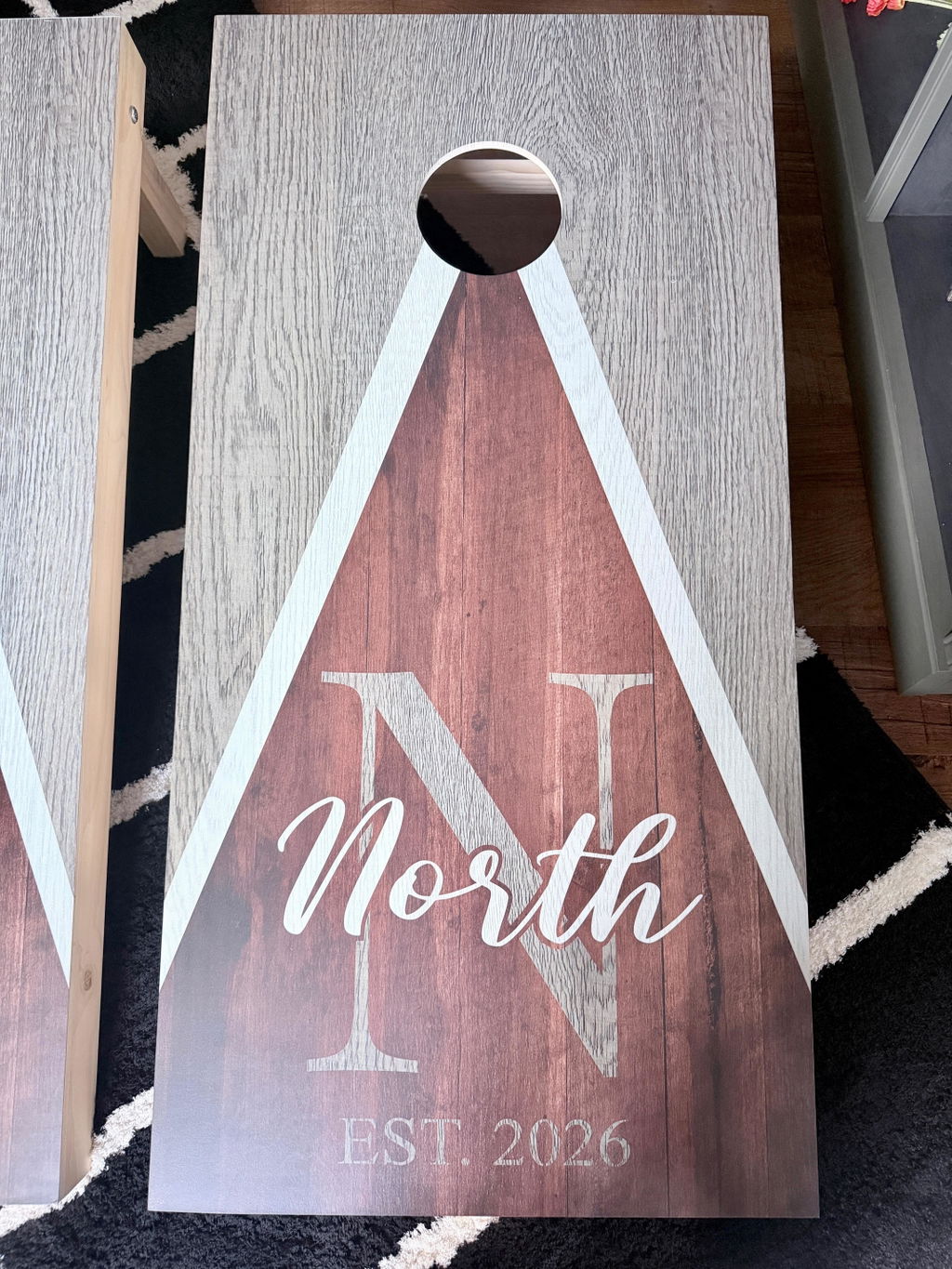
While the game itself is standard, the equipment offers a unique opportunity to add a personalized touch to your reunion. Many organizers find that incorporating diy cornhole boards into the event planning adds a layer of sentimentality that purchased sets cannot match. Constructing and decorating the boards can be a pre-reunion activity for the planning committee, building anticipation before the event even starts.
For a family reunion, you might paint the boards with the family crest, the year of the gathering, or a tree representing the different branches of the lineage. At a class reunion, the boards can be decked out in school colors, featuring the mascot or the graduation year. These customized elements turn the game equipment into a piece of decor that reinforces the theme of the gathering. It sparks conversation immediately. People admire the craftsmanship and the artwork, asking who made them and discussing the significance of the designs.
Furthermore, these boards can serve as a guest book of sorts. You can leave permanent markers near the play area and encourage attendees to sign the back or sides of the boards. By the end of the day, you have a functional piece of memorabilia covered in signatures, inside jokes, and well-wishes. This transforms the game from a momentary diversion into a lasting artifact of the family or class history.
Breaking Down Social Barriers
The psychology of an icebreaker is rooted in shifting focus. When two people stand face-to-face with nothing to do, the pressure to maintain eye contact and conversation can be intense. However, when those same two people are standing side-by-side facing a target, the dynamic shifts. The shared focus on the game alleviates social anxiety. Silence is no longer awkward; it is just concentration. Conversation flows more naturally in the spaces between tosses.
Cornhole fosters a relaxed atmosphere that is conducive to catching up. Because the game is turn-based and has a moderate pace, there is plenty of time for banter. Teammates strategize together, celebrating good shots and groaning over near misses. Opponents engage in lighthearted trash talk. These interactions create micro-bonds that happen quickly. A shared victory or a funny blunder creates an instant inside joke between two people who may have been strangers ten minutes prior.
This friendly competition is the secret sauce of a successful reunion. It gives people a reason to cheer. When someone sinks a difficult shot, the surrounding crowd erupts. It creates a shared energy that permeates the entire event. People who are not playing will often gather around to watch a close match, cheering for their favorite team. This spectator element draws even the most reserved attendees into the fold, making them feel part of the action even if they prefer not to play.
Creating Lasting Memories
Reunions are ultimately about making memories, and the unscripted moments are often the ones that stick. It is rarely the catered food or the scheduled speeches that people talk about years later. It is the moment Uncle Bob, who everyone thought was too serious, took off his jacket and sank four bags in a row to win the championship. It is the image of the youngest and oldest family members high-fiving after a team win.
Cornhole provides the stage for these unscripted dramas to unfold. You can organize a casual tournament to raise the stakes. A simple bracket system taped to a wall allows teams to track their progress throughout the day. As the pool narrows and the finals approach, the excitement builds. The crowning of the "Reunion Champions" becomes a highlight of the day, perhaps accompanied by a silly trophy or bragging rights until the next gathering.
These games bridge the gap between past and present. For school reunions, it allows former classmates to interact in a new context, shedding the labels they might have carried in high school. For families, it creates new narratives that sit alongside the old stories told at every gathering. The game becomes a tradition. "Remember that game in 2024?" becomes a new story in the family lore.
A Tradition Worth Starting
The success of a reunion is measured by the connections made and the joy shared. Including cornhole in your itinerary is a low-risk, high-reward strategy to ensure that success. It requires minimal effort to organize but delivers maximum impact in terms of engagement. It solves the problem of lulls in conversation, bridges generational gaps, and provides a platform for personality and fun to shine through.
Whether you choose to commission a custom set or engage in a project to build diy cornhole boards yourself, the result is the same. You are providing a catalyst for connection. You are permitting your guests to play, to relax, and to engage with one another in a way that feels organic and unforced. As the sun sets on your reunion and you hear the rhythmic thud of bean bags hitting wood, accompanied by laughter and cheering, you will know that the ice has not just been broken, but completely melted away.