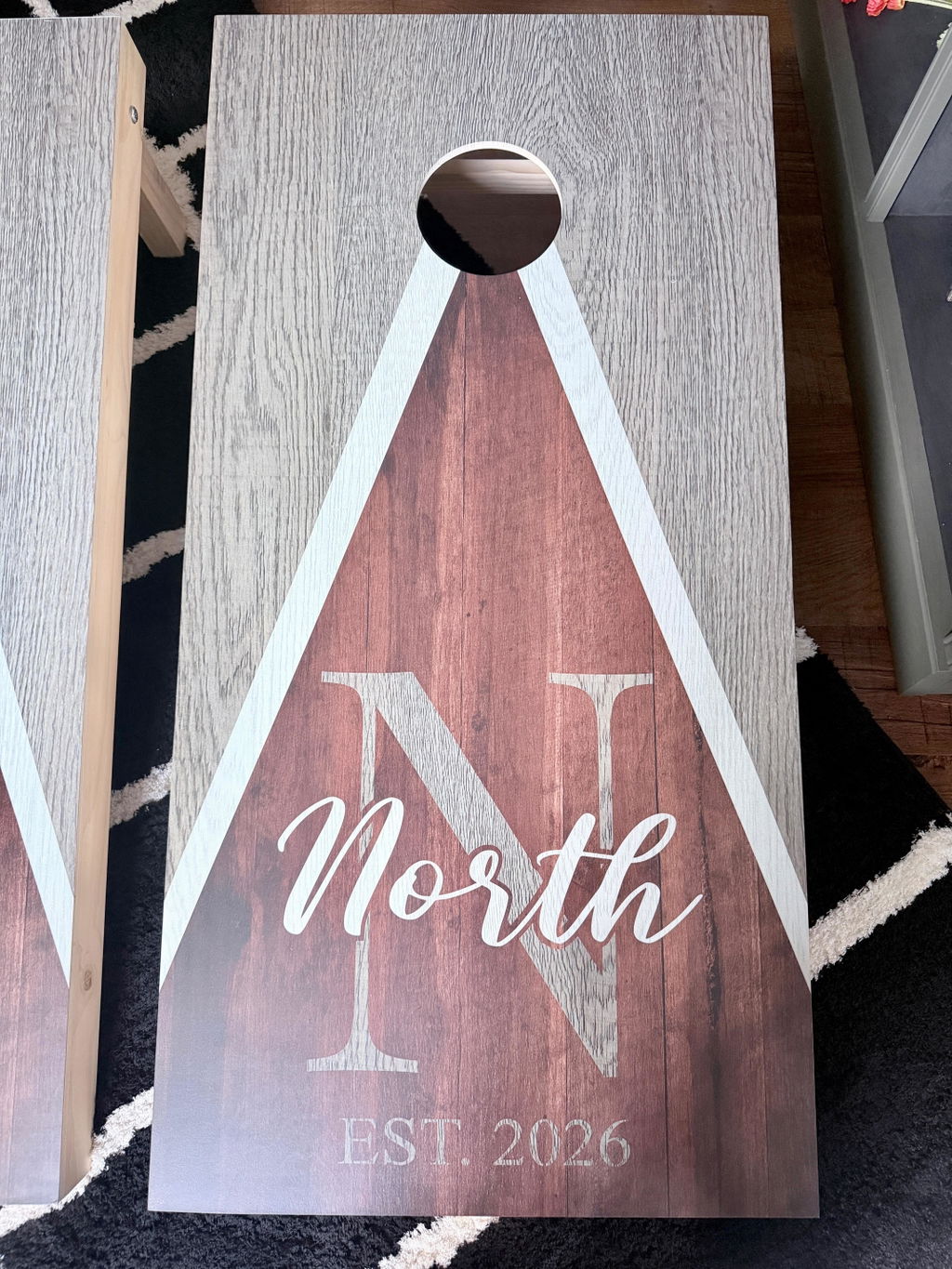
Cornhole is a classic staple of backyard barbecues and tailgating events. The game combines simple mechanics with surprising strategic depth. You set up the boards, grab your bags, and get ready to play with your friends and family. Yet, before a single bag flies through the air, players must answer a critical question regarding who gets to throw first.
Determining the starting player is a vital step because it establishes the initial momentum of the match. The first throw can apply immediate pressure to the opponent or leave an opening for a strategic block. Understanding the rules around the first throw ensures the game begins fairly and sets a competitive tone for the rest of the match.
Traditional Methods for the First Toss
When stepping up to the boards for a fresh game, you need a fair way to decide which team takes the opening throw. A simple coin toss remains one of the most popular and straightforward methods. One player flips a coin, and the opposing team calls heads or tails in the air. The winner of the toss earns the right to choose whether they want to throw first or defer to their opponent.
Another highly favored method is the bag toss, often referred to as a lag. In this scenario, one player from each team tosses a single bag toward the opposite board at the exact same time. The goal is to land the bag as close to the hole as possible without it falling in. The player whose bag rests closest to the center of the hole wins the right to start the game. If a bag falls into the hole, it beats any bag resting on the board. This method acts as a fun mini-game that lets players warm up their throwing arms while deciding the starting order.
Understanding the Honors System
Once the first frame concludes, the method for deciding who throws first shifts entirely. Cornhole utilizes a traditional honors system for all subsequent rounds. Under this system, the player or team that scored points in the previous frame earns the right to throw first in the next one. Scoring points proves that a team won the frame, rewarding them with the tactical advantage of leading the upcoming exchange.
Sometimes a frame ends in a wash, meaning both teams scored the same number of points, and they cancel each other out. When no points are added to the overall score, the honors remain with the team that threw first in that tied frame. They retain the starting position until the opposing team manages to outscore them in a single round. Having the right gear, including durable boards and premium Cornhole Accessories, makes tracking these rounds and enjoying the ongoing back-and-forth much more enjoyable.

Professional Tournaments Versus Casual Play
The environment of your game often dictates how strictly these rules are applied. In professional tournament regulations, officials adhere to rigorous guidelines to ensure absolute fairness. Organizations overseeing professional cornhole often use player seeding to determine the first throw. The higher-seeded player or team is automatically awarded the choice of throwing first or picking their lane. If the tournament does not use seeding, officials mandate a formal coin toss.
Casual backyard play takes a much more relaxed approach. Friends might decide the starting order by playing rock-paper-scissors, letting the youngest player go first, or simply agreeing verbally on who should take the lead. While the honors system is still widely used in casual games to dictate the flow of the frames, the initial icebreaker is usually completely up to the house rules of the host.
Common Etiquette on the Boards
Knowing who goes first is only part of maintaining a fair and enjoyable game. Good sportsmanship and proper etiquette keep the competition friendly and respectful. When the player with honors is preparing to throw, the opposing player should stand quietly to the side. Sudden movements, loud noises, or attempting to block the thrower's line of sight are heavily frowned upon in both casual and professional settings.
Players must also respect the foul line, which is the imaginary line extending from the front edge of the board. Stepping past this line during a throw results in a foul, and the tossed bag must be removed from the board before play continues. Waiting patiently for your turn and acknowledging a great shot by your opponent fosters a positive atmosphere that makes the game fun for everyone involved.
Setting the Stage for a Fair Match
Establishing who goes first might seem like a minor detail, but it heavily influences the strategy and pacing of the entire game. Whether you rely on a coin flip, a closest-to-the-hole contest, or official tournament seeding, starting the game correctly prevents arguments and ensures a level playing field. Following the honors system throughout the match then rewards skillful play and keeps the momentum shifting naturally. By adhering to these guidelines and maintaining good etiquette, you guarantee that your next match remains competitive, fair, and incredibly fun from the first toss to the final point.