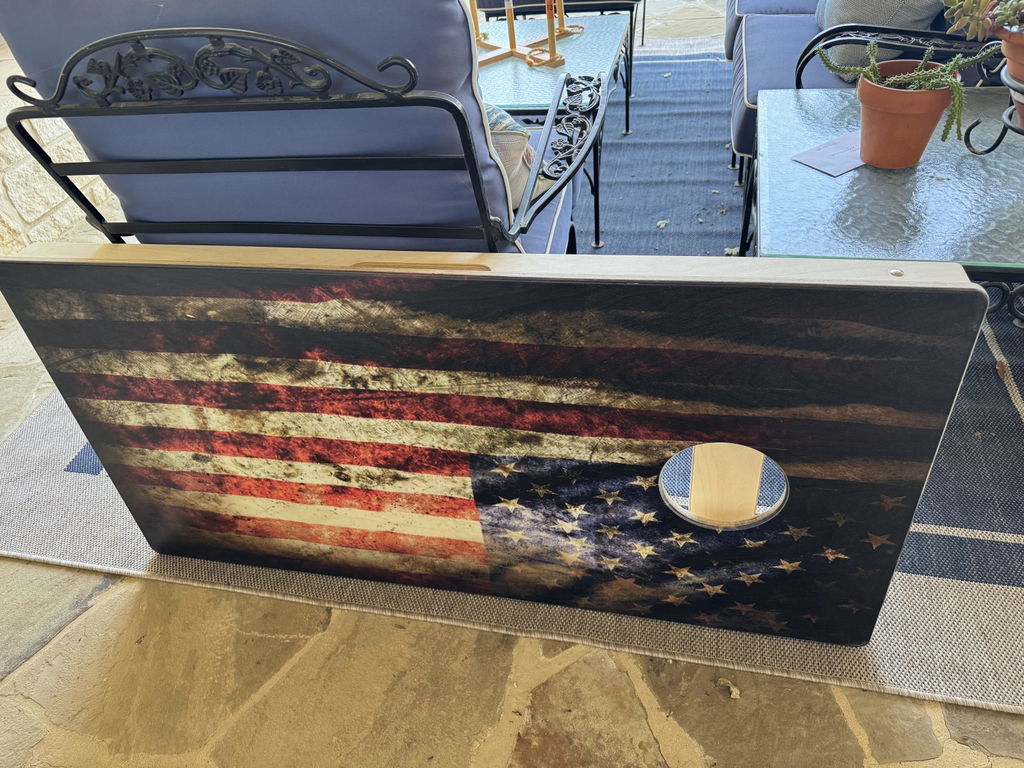
Cornhole, the beloved backyard sport turned competitive phenomenon, is more than just tossing a bag through the air. To take your game from casual weekend matches to competitive tournaments, you need to think outside the box. While techniques like understanding the proper cornhole dimensions or perfecting slide versus airmail shots are essential, unconventional training methods can give you an edge that most players overlook. This guide will explore unique ways to up your cornhole game, helping backyard players, competitive enthusiasts, and even coaches find that key advantage.
Break Free from Conventional Routines
Players often focus solely on repetitive bag-throwing sessions, staying within standard cornhole dimensions and setups. While this consistency is beneficial, it doesn’t always prepare you for unpredictable scenarios in high-pressure games. Unconventional training techniques incorporate variety, challenges, and mental conditioning into your routine, ensuring a well-rounded skill set.

Immersive Visualization Techniques
Mental preparation is as critical to competitive cornhole as physical training. Visualization, a strategy used by top athletes, involves mentally rehearsing gameplay scenarios before stepping onto the court. Close your eyes and vividly imagine yourself executing the perfect toss. Picture the trajectory of the bag, the arc it takes, and the satisfying thud as it lands on the board within the correct cornhole dimensions.
By embedding successful outcomes into your subconscious, visualization improves confidence and consistency under pressure. Spend 5-10 minutes before practice “tossing” bags mentally, setting the tone for your physical session ahead.
Incorporate Unusual Practice Setups
Switching up your practice setup keeps training fresh and prepares you for a range of game-day conditions. Adjust the placement and dimensions of your cornhole boards slightly—for example, practice throwing at angles or increasing and decreasing the board's distance beyond regulation. This unconventional adjustment helps you adapt to settings where official dimensions may not be followed perfectly, such as outdoor tournaments on uneven terrain.
Additionally, introduce different surface types, such as practicing on grass, gravel, or even indoors. This versatility ensures you're always ready, whether playing at the beach or competing in an indoor league.
Focus on Non-Dominant Hand Drills
Most cornhole players rely heavily on their dominant hand, but incorporating non-dominant hand drills into your training opens up creative gameplay opportunities. Using your weaker hand forces you to concentrate on accuracy and control, building a deeper connection with the tossing mechanics and recalibrating your spatial awareness.
Practice 15 minutes of bag tossing with your non-dominant hand at the start of each session. While it may feel awkward at first, the payoff comes in tighter control and the ability to adapt when faced with unpredictable in-game challenges.
Engage in Precision Strength Training
A cornhole toss appears effortless but requires a nuanced combination of strength, precision, and finesse. Develop these skills with unconventional precision training exercises. Weighted bag tossing is one such method. Practice throwing heavier, padded bags (similar to oversized cornhole bags) to help develop your muscle memory and arm stability. The additional weight ensures that when you return to normal bags, your control improves exponentially.
Further, unconventional exercises like yoga or Tai Chi sharpen balance and core engagement, essential for controlled tosses that align with precise cornhole dimensions.
Play in Distraction Settings
Rarely do competitive games happen in perfect silence. Crowd noise, environmental factors, and opponent behaviors can add stress to your performance. Create your distraction-filled environment during practice. Invite friends to simulate rowdy spectators, play loud music, or practice in busier spaces with higher activity levels, like parks.
By acclimating to these distractions in training, you’ll find game-day challenges easier to manage, so you can focus solely on delivering the winning toss.
Analyze Game Film Like a Pro
Most cornhole players underestimate the power of replay analysis. Record your practice sessions and games, then review them critically. Look for patterns such as inconsistent toss releases, missed alignment with the board's cornhole dimensions, or lost focus in the second half of matches.
Studying game film is a strategy often overlooked in the cornhole community but one used religiously in other sports. Even better, share these recordings with coaches or fellow competitive players to gain additional insights into your technique.
Leverage Sports Psychology
The mental game is pivotal in cornhole. It’s not always the strongest arm that wins, but the most composed and confident player. Engage with a sports psychologist or mental conditioning coach to develop techniques to stay calm under pressure. Practices like breathing exercises, mindfulness, and positive reinforcement improve the ability to reset after a bad round and block out distractions.
Approaching the game with a strong mental strategy can be the defining feature between an average player and a consistent tournament winner.
Learn from the Best
Attend competitive cornhole events or connect with seasoned players online. Study the techniques and strategies of those who dominate the sport. Take note of how pros execute different types of throws in varying scenarios, including slide shots vs. airmail and their ability to adjust to boards that may differ slightly in cornhole dimensions from regulation setups.
Social media platforms like YouTube are a treasure trove for observing professional gameplay, and many content creators will share tips, drills, and strategies that you can adopt or adapt to your style of play.
Build a Routine Beyond the Board
Elite cornhole players understand that world-class performance is cultivated on and off the court. Beyond daily toss drills, maintain a broader routine promoting overall fitness and mental well-being. Proper hydration, sleep, and diet are all critical elements of peak performance.
Additionally, creating a pre-match routine built around stretches, bag practices, and mental focus can calm your nerves and position you for success every time you step up to the board.
Think Outside the Box for Better Results
To truly master your cornhole game, it’s essential to break free from standard routines. Incorporating unconventional training methods, from visualization techniques to distraction-filled practices, will add depth and adaptability to your skills. While understanding precise cornhole dimensions and standard regulations is necessary, the edge in competitive matches often comes from creative preparation.
Whether you’re a backyard enthusiast, an amateur tournament competitor, or a cornhole coach, these strategies invite you to reimagine your approach. Want to accelerate your progress and become tournament-ready even faster? Stay tuned for our upcoming pro-player-led workshops, or subscribe for exclusive techniques right in your inbox