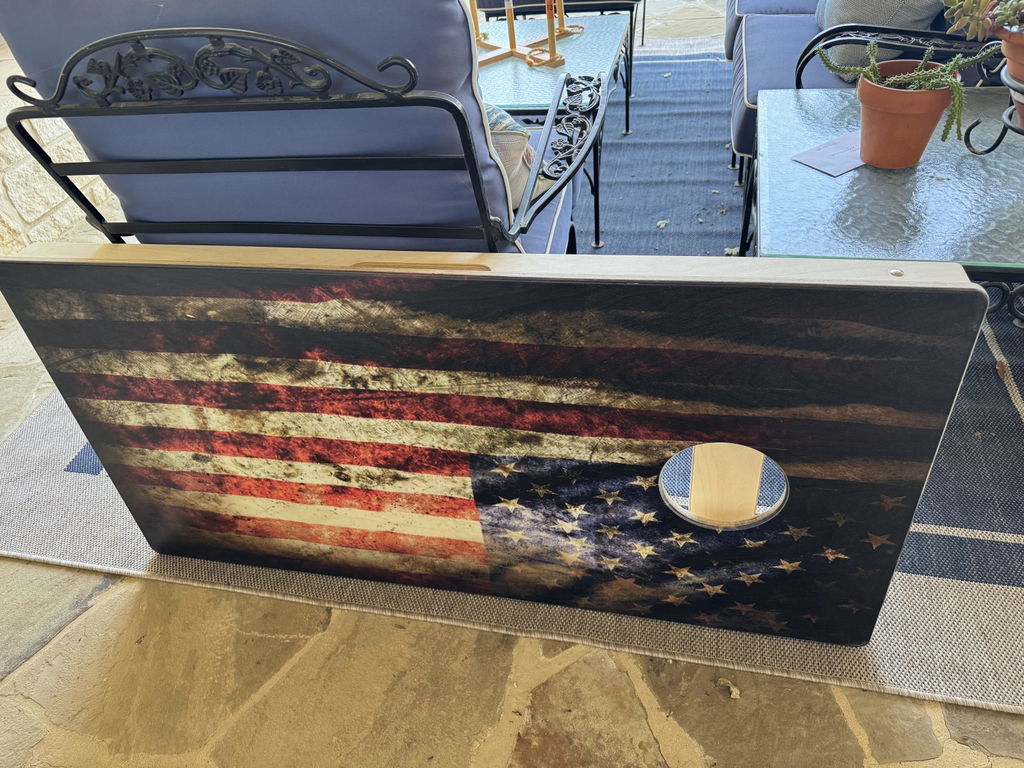
Cornhole has evolved from a simple backyard pastime into a competitive sport and social centerpiece that brings families and friends together. While you can certainly purchase ready-made sets, creating your own custom cornhole boards offers a special touch that store-bought boards simply cannot match. The satisfaction of crafting something with your own hands, combined with the ability to express your personality and style, makes DIY cornhole board customization an incredibly rewarding project.
Custom cornhole boards let you showcase team loyalty, family pride, or artistic flair while ensuring the highest-quality construction. When you build and customize your own boards, you control every aspect of the process, from selecting premium materials to applying the perfect finish. This attention to detail results in boards that not only look exceptional but also provide years of reliable performance.
Whether you're a seasoned woodworker looking for your next challenge or a weekend warrior ready to tackle a new project, customizing cornhole boards combines practical craftsmanship with creative expression. The process teaches valuable skills while producing something that will be enjoyed for generations to come.
Understanding American Cornhole Board Specifications
American cornhole boards follow specific regulations established by the American Cornhole Organization, ensuring consistent gameplay across all skill levels. Official boards measure exactly twenty-four inches wide by forty-eight inches long, with a playing surface that sits three and one-half inches off the ground at the back edge and twelve inches off the ground at the front edge.
The hole, positioned nine inches from the top edge and centered horizontally, must be precisely six inches in diameter. These measurements might seem arbitrary, but they create the perfect balance of challenge and accessibility that makes cornhole so engaging. Deviating from these specifications can significantly impact gameplay and make your boards incompatible with tournament play.
Understanding these dimensions before you begin ensures your custom boards will provide an authentic playing experience. Professional players and casual enthusiasts alike appreciate boards that meet official standards, as consistency allows skills to transfer seamlessly between different sets and locations.

Essential Materials for Quality Construction
The foundation of exceptional custom cornhole boards starts with selecting the right materials. Premium plywood is the ideal playing surface, with its three-quarter-inch thickness providing the perfect balance of durability and weight. Birch plywood stands out as the top choice due to its smooth surface, consistent grain pattern, and resistance to warping over time.
For the frame construction, solid wood lumber creates a sturdy foundation that can withstand years of enthusiastic gameplay. Popular choices include pine, poplar, and oak, each offering different characteristics in terms of weight, appearance, and workability. The key lies in choosing materials that match your skill level and intended use.
Hardware selection proves equally important in creating boards that last. Stainless steel screws resist corrosion and provide superior holding power compared to standard fasteners. Quality hinges, if you choose to make folding boards, should be rated for outdoor use and capable of supporting the board's weight without sagging.
Weather-resistant finishes protect your investment while enhancing the visual appeal of your custom design. Marine-grade polyurethane offers excellent protection against moisture, UV rays, and daily wear, ensuring your artwork remains vibrant season after season.
Planning Your Custom Design
Before making the first cut, take time to develop a clear vision for your custom cornhole boards. Consider the intended use, storage requirements, and skill level of primary users when making design decisions. Boards destined for tournament play require different considerations than those built purely for backyard entertainment.
Design themes can range from simple color schemes to elaborate artwork featuring favorite sports teams, family crests, or original artistic creations. Remember that simpler designs often prove more timeless and easier to execute successfully, especially for first-time builders.
Sketching your design on paper helps identify potential challenges before they become costly mistakes. Pay particular attention to how different elements will interact with the playing surface and hole placement. Complex designs near the hole area can interfere with bag slide patterns and affect gameplay.
Consider creating templates for repeated elements or geometric patterns. Cardboard templates allow you to test positioning and proportions before committing to permanent modifications. This preparation step often reveals design improvements that might otherwise be overlooked.
Cutting and Shaping Techniques
Precision cutting forms the foundation of professional-looking custom cornhole boards. Start by carefully measuring and marking all cut lines using a high-quality square and sharp pencil. Double-check measurements before making any cuts, as errors at this stage compound throughout the entire project.
A circular saw with a fine-tooth blade produces clean, straight cuts in plywood, while a jigsaw handles curved cuts and hole creation. When cutting the six-inch diameter hole, drill a pilot hole large enough for the jigsaw blade, then follow a carefully drawn circle for smooth, consistent curves.
Sand all cut edges immediately after cutting to prevent splintering and create smooth surfaces for finishing. Start with medium-grit sandpaper to remove saw marks, then progress to fine-grit grits for a smooth finish. Pay special attention to the hole edges, as these receive the most contact during gameplay.
Frame pieces require precise miter cuts for professional-looking joints. A miter saw produces the most accurate results, but careful hand-cutting with a miter box can achieve a similar quality. Test-fit all pieces before applying glue to ensure proper alignment and tight joints.
Surface Preparation and Priming
Proper surface preparation determines the longevity and appearance of your custom finish. Begin by thoroughly cleaning all surfaces to remove dust, oils, and manufacturing residues that can interfere with paint adhesion. A tack cloth removes fine dust particles that regular cleaning might miss.
Fill any voids, dents, or imperfections with high-quality wood filler, allowing adequate drying time between coats. Sand-filled areas smooth once completely dry, blending them seamlessly with the surrounding surface. This attention to detail pays dividends in the final appearance.
Prime all surfaces with a high-quality primer designed for your chosen topcoat material. Primer not only improves paint adhesion but also prevents bleeding between different colored areas and ensures consistent color coverage. Allow primer to dry completely according to the manufacturer's specifications before proceeding.
Light sanding between primer and paint coats creates the ideal surface for maximum adhesion. Use fine-grit sandpaper and work with gentle, consistent pressure to avoid cutting through the primer layer. Remove all sanding dust before applying subsequent coats.
Color Application and Artwork Creation
Color selection dramatically impacts the visual appeal and longevity of your custom cornhole boards. High-quality exterior paint withstands weathering while maintaining vibrant colors for years of use. Consider using paint specifically formulated for outdoor sports equipment, as these products often include UV inhibitors and enhanced durability features.
Apply base colors using smooth, even strokes with high-quality brushes or foam rollers. Multiple thin coats produce superior results compared to single thick applications, reducing brush marks and ensuring uniform coverage. Allow each coat to dry completely before applying subsequent layers.
Stencils enable crisp, professional-looking designs even for those without advanced artistic skills. Secure stencils firmly to prevent paint bleeding, and use appropriate brushes or spray techniques for clean lines. Remove stencils while the paint is still slightly tacky to avoid pulling up dried paint edges.
Hand-painted artwork allows maximum creative expression but requires careful planning and execution. Sketch designs lightly in pencil before painting, and work from background elements toward foreground details. Acrylic paints designed for outdoor use provide excellent color selection and durability for custom artwork.
Protective Finishing Options
The final protective finish determines how well your custom cornhole boards withstand regular use and weather exposure. Marine-grade polyurethane offers superior protection against moisture, UV damage, and physical wear while maintaining clarity that showcases your custom design.
Apply protective coats using long, smooth strokes that overlap slightly to ensure complete coverage. Work in manageable sections to maintain a wet edge and avoid lap marks. Pay particular attention to edges and corners where moisture might penetrate and cause damage.
Sand lightly between coats with very fine sandpaper to promote adhesion and eliminate any brush marks or dust particles. Clean thoroughly before applying subsequent coats, as any contamination can cause finish defects that detract from the professional appearance.
Consider the playing surface texture when selecting finishes. Slightly textured surfaces provide better bag control, while overly smooth finishes can make bags slide unpredictably. Test different finish options on sample pieces to determine the ideal balance for your intended use.
Hardware Installation and Assembly
Quality hardware installation ensures your custom cornhole boards remain structurally sound throughout years of enthusiastic gameplay. Pre-drill all screw holes to prevent wood splitting, especially near edges where stress concentrations occur. Use screws appropriate for the material thickness and intended load requirements.
Folding hardware requires careful alignment to ensure smooth operation and proper board positioning. Mark hinge locations precisely and use a drill press or drilling jig to ensure perpendicular holes. Test-fit hinges before final installation to verify smooth operation and proper clearances.
Leg attachment methods vary depending on your design preferences and portability requirements. Fixed legs provide maximum stability for permanent installations, while removable or folding legs offer convenience for portable boards. Consider how the board will be transported and stored when selecting attachment hardware.
Handle installation, if desired, should be positioned to balance the board properly while avoiding interference with folding mechanisms or storage. Recessed handles provide a clean appearance and reduce the risk of snagging during transport and storage.
Storage and Maintenance Considerations
Proper storage significantly extends the life of your custom cornhole boards while protecting your investment in time and materials. Indoor storage provides optimal protection from weather extremes, UV exposure, and moisture damage that can compromise both appearance and structural integrity.
If outdoor storage becomes necessary, invest in high-quality covers designed specifically for cornhole boards. These covers protect against rain, snow, and UV damage while allowing air circulation to prevent moisture buildup and mold growth.
Regular maintenance keeps your boards looking and performing their best throughout years of use. Inspect surfaces periodically for signs of wear, damage, or finish deterioration. Address minor issues promptly to prevent more significant problems that require extensive repairs.
Cleaning requires gentle methods that preserve the finish while removing dirt and debris. Mild soap solutions and soft cloths handle most cleaning needs without damaging painted surfaces or protective coatings. Avoid pressure washing or harsh chemicals that can damage finishes or underlying materials.
Taking Your Custom Boards to the Next Level
Advanced customization techniques can transform good cornhole boards into exceptional showpieces that reflect your personal style and craftsmanship skills. LED lighting systems create stunning nighttime gameplay while adding a professional tournament appearance that impresses players and spectators alike.
Scoreboard integration eliminates the need for separate scoring devices while creating a cohesive, professional appearance. Digital scoreboards offer advanced features such as game timers and statistics tracking, while traditional flip-style scoreboards offer classic appeal with reliable functionality.
Custom bag sets complement your board design while ensuring consistent gameplay characteristics. Hand-sewn bags allow complete control over materials, weight, and appearance, creating a perfectly matched set that reflects your attention to detail and commitment to quality.
Consider creating multiple board sets with coordinating themes for tournaments or special events. Matching designs create visual impact while demonstrating your capabilities as a custom board maker. These sets often become conversation pieces that showcase your craftsmanship to a wider audience.
Crafting Your Legacy, One Board at a Time
Creating custom cornhole boards represents more than just building gaming equipment. The process combines traditional woodworking skills with artistic expression, resulting in functional art that brings people together for years of entertainment and competition. Every carefully planned cut, precisely applied finish coat, and thoughtfully selected detail contributes to boards that exceed commercial alternatives in both quality and personal significance.
The skills developed through cornhole board customization transfer to countless other projects, building confidence and capabilities that enhance your overall craftsmanship abilities. Each board becomes a learning experience that prepares you for increasingly ambitious projects while creating something immediately useful and enjoyable.
Your custom cornhole boards serve as tangible representations of your dedication to quality and attention to detail. They demonstrate that superior results come from careful planning, quality materials, and skilled execution rather than simply purchasing mass-produced alternatives.
Ready to start your custom cornhole board project? Begin with careful planning, invest in quality materials, and take pride in each step of the process. The boards you create today will provide entertainment and satisfaction for years to come while showcasing your commitment to craftsmanship and quality.