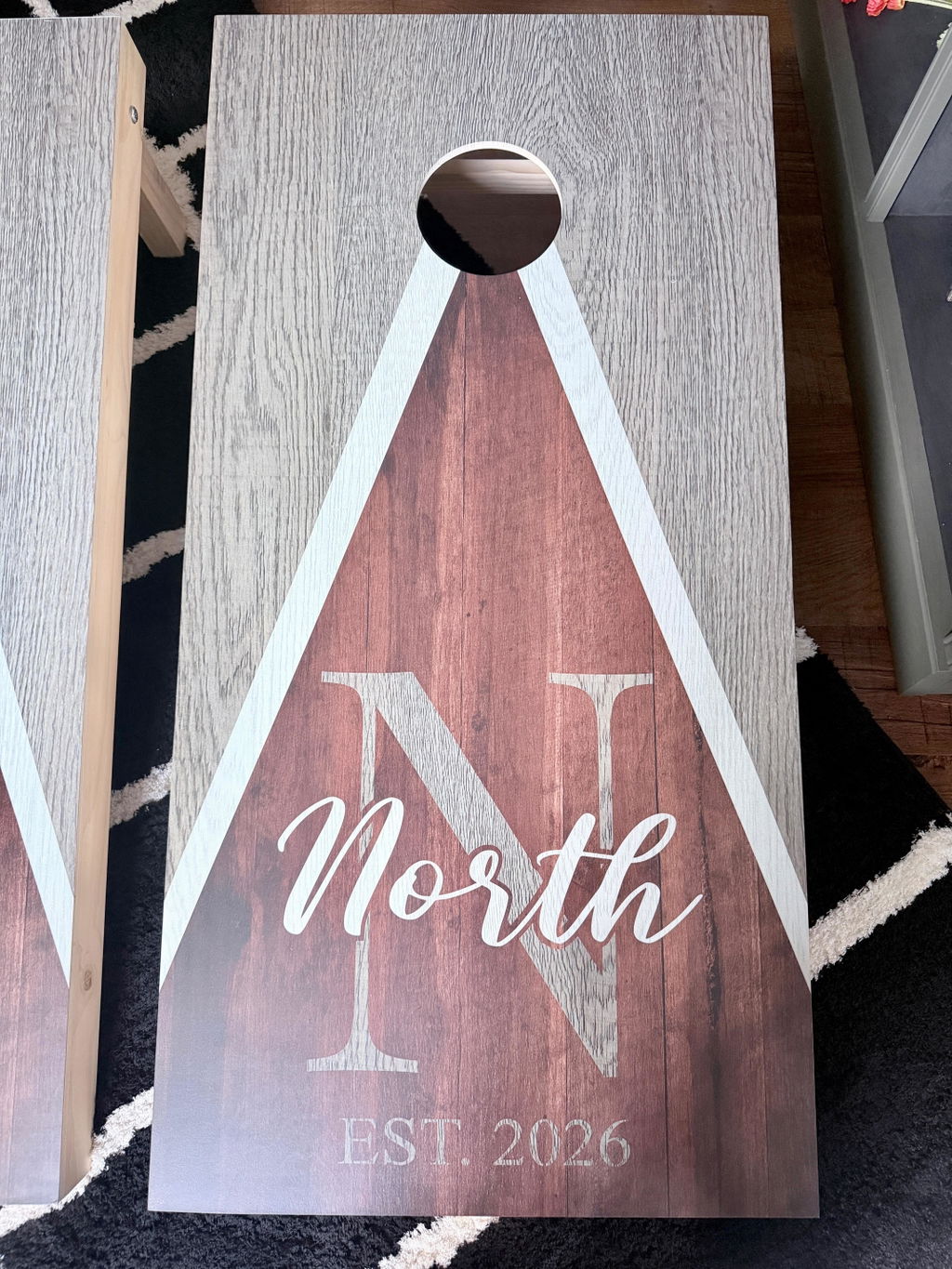
The distinct thud of a resin-filled bag hitting a wooden board is a sound that sparks joy for millions of enthusiasts. What started as a casual tailgate pastime has exploded into a competitive sport with televised tournaments, sponsorships, and serious athletes. As players move from tossing bags at family barbecues to competing in local leagues, the desire to improve becomes a primary focus. You might feel like you are throwing better today than you were last month, but feelings can be deceiving. The only way to truly know if your game is evolving is by tracking your data.
Recording your progress is the defining line between a casual hobbyist and a competitive player. It provides an objective look at your strengths, your weaknesses, and your consistency. Without data, you are simply guessing. With data, you have a roadmap for improvement. This guide explores how to effectively record your cornhole statistics, move away from outdated methods, and utilize technology to elevate your performance on the boards.
The Limitations of Pen and Paper
For decades, athletes in every sport have relied on a simple notebook and pen to log their workouts. In the early stages of cornhole practice, this method often seems like the most accessible option. You might keep a small journal in your bag or a notepad in the garage where you jot down scores from practice rounds. There is a certain tactile satisfaction in writing down a perfect round, and for some, this simplicity is appealing. It requires no battery power and no internet connection, making it a reliable companion for a quick session in the backyard.
However, the manual method comes with significant drawbacks that can hinder serious analysis. The most obvious issue is the lack of immediate insight. A notebook full of raw numbers requires you to sit down with a calculator to determine your averages or percentages. This extra friction often leads players to skip the analysis phase entirely, meaning they are recording data that they never actually use. Furthermore, paper is easily lost or damaged. A spilled drink or a misplaced bag can wipe out months of progress tracking.
Beyond the physical limitations, manual tracking makes it incredibly difficult to spot long-term trends. You might be able to see that you scored well yesterday, but comparing your current Points Per Round (PPR) to your performance six months ago involves flipping through pages and manually aggregating data. This lack of visualization can make it hard to see if a new throwing technique or a change in equipment is actually yielding results. While pen and paper are better than nothing, they are essentially an analog solution in a digital age.
The Digital Advantage
Switching to digital tracking methods transforms your data from a static record into a dynamic tool for improvement. The primary benefit is automation. When you input your scores into a digital platform, the math is done for you instantly. You finish a round, enter the score, and your statistics are updated in real time. This immediate feedback loop allows you to adjust your strategy mid-practice. If you notice your scoring percentage dropping over the last twenty minutes, you might realize fatigue is setting in, or your stance has shifted.
Digital tools also offer the power of visualization. Instead of staring at rows of numbers, you are presented with graphs and charts that clearly illustrate your trajectory. You can see your consistency displayed visually, making it easier to identify slumps or breakthroughs. This perspective is invaluable for mental confidence. Seeing a visual representation of your improvement over the last year proves that your hard work is paying off, which can be a massive morale booster before a big tournament.
Accessibility is another key factor. Your smartphone is likely always in your pocket, meaning your tracking system is always with you. There is no need to remember a notebook or hunt for a pen. Your data is stored in the cloud, safe from physical damage and accessible from any device. This portability ensures that you never miss a chance to log a session, whether you are throwing a few bags on your lunch break or competing in an out-of-town tournament.
Software and Apps for serious players
The cornhole community has developed several specialized applications designed specifically for tracking gameplay. The most prominent among them is Scoreholio. While widely used for running tournaments, the app features robust functionality for individual practice. It allows players to log rounds, track their PPR, and monitor their "four-bagger" percentage. Because it is the standard for many competitive leagues, using it for practice creates a seamless transition between training and competition. The interface is designed with the specific scoring rules of cornhole in mind, making data entry quick and intuitive.
For those who prefer a more customized approach, spreadsheet apps like Google Sheets or Microsoft Excel are powerful alternatives. While they require more initial setup than a dedicated cornhole app, they offer infinite flexibility. You can build a tracking sheet that monitors exactly what you want to improve. Perhaps you want to track how often you miss to the left versus the right, or you want to compare your performance with different sets of bags. A spreadsheet allows you to create custom formulas and specific data points that generic apps might not cover.
Another emerging category involves video analysis tools. While not strictly for scoring, apps that allow for slow-motion playback and frame-by-frame analysis are excellent for recording technical progress. You can pair these visual records with your scoring data to see the correlation between your form and your results. For example, you might notice that on days when your PPR was highest, your release point was slightly lower. Combining statistical data with visual evidence provides the most complete picture of your development.
Making Sense of the Numbers
Collecting data is only the first step; the magic happens when you analyze it to set goals. The most critical metric in cornhole is Points Per Round, commonly referred to as PPR. In a standard round where you throw four bags, the maximum score is twelve. Your PPR is the average number of points you score across many rounds. Beginners might hover around a PPR of three or four, while top-tier pros consistently maintain a PPR above ten. Knowing your baseline PPR allows you to set realistic, incremental goals.
If your current average is 6.5, your goal shouldn't be to suddenly hit 10. Instead, aim to reach a 7.0 over the next month. This granular approach prevents discouragement and gives you a reachable target. You should also analyze your "off-board" statistics. Tracking how many bags miss the board entirely helps you identify consistency issues. If you miss the board once every four rounds, your primary goal should be keeping every bag in play, regardless of whether it goes in the hole.
It is also helpful to segment your data based on conditions. You might find that your stats differ significantly when playing indoors versus outdoors. Wind, humidity, and board friction play huge roles in cornhole. By tagging your data with these environmental factors, you can learn where you struggle most. If your stats plummet every time you play in high humidity, you know you need to practice playing with "sticky" conditions or switch to a slicker bag during those times.
Integrating Tracking into Practice
The key to successful data collection is integration. It must become a seamless part of your routine, or you will eventually stop doing it. The best way to achieve this is to designate specific "scored" segments of your practice. You do not need to track every single bag you throw. Warm-up throws and experimental tosses, where you are trying a new grip, should remain unrecorded to keep the pressure off. However, once you are warm, commit to a block of fifty or one hundred throws that you treat like tournament play.
Having the right setup at home encourages this consistency. When you have your regulation lanes measured out and your custom cornhole board set up in the backyard, you create an environment that mimics competition. Keep your phone or tablet on a stand nearby so that entering the score after walking to the board becomes a habit. Throw four bags, walk to the board, tap in the score, retrieve the bags, and walk back. This rhythm ensures the data entry doesn't break your flow.
Consistency in tracking also keeps you honest. It is easy to remember the four-baggers and forget the rounds where you scored zero. By committing to track every throw during your scored sessions, you force yourself to confront the reality of your game. This honesty is uncomfortable at first, but it is necessary for growth. It highlights exactly where your game breaks down, whether it is losing focus after a bad round or struggling to finish a game when you have the lead.

The Long-Term Payoff
The ultimate reward for this diligence is confidence. When you step up to the lane in a high-pressure situation, you aren't hoping you can make the shot; you know the statistical probability that you will. You have months of data proving that you hit this shot eighty percent of the time. This knowledge quiets the nerves and allows muscle memory to take over.
Furthermore, a long-term record of your progress serves as a personal history of your journey in the sport. It is incredibly rewarding to look back at data from a year ago and see how far you have come. That average score that used to be your personal best might now be your worst day. This perspective fuels the motivation to keep practicing, keep tracking, and keep chasing that perfect game. In a sport of inches and consistency, the player who knows their numbers is the player who wins.