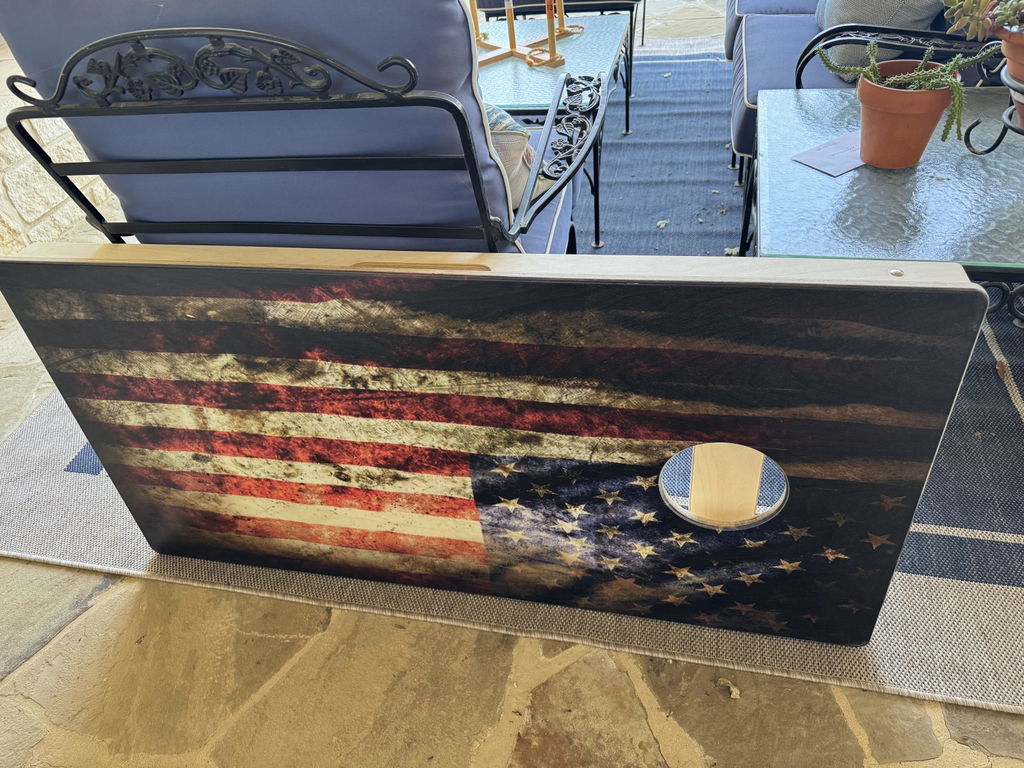
Cornhole has come a long way from being a simple backyard pastime to becoming a competitive sport that commands skill, precision, and strategy. Whether you're an amateur tossing bags at summer barbecues or someone looking to dominate your local cornhole league, there's always room to elevate your game. This guide will help you level up, from mastering basic techniques to adopting a competitive mindset. Get ready to toss like never before!
Mastering the Basics
At its core, cornhole may look straightforward—throwing bags toward a wooden board with a hole in it. However, a solid foundation in the fundamentals is essential for consistent performance. Begin by focusing on your stance and release. Standing at a slight angle to the board gives you greater control over your throw, and adjusting your grip on the bag ensures consistency. These small tweaks can make all the difference in landing those coveted “cornhole" tosses.
Many players overlook the rhythm of their throw. Find a pace that feels natural, whether it’s a pause-and-release style or a smooth, continuous motion. Pay special attention to your release point—too early, and the bag might float; too late, and it could nosedive. Practice repeatedly to develop muscle memory.
Refining Your Throwing Technique
Once you've nailed the basics, it's time to make your throw more purposeful. The "spin" technique, for instance, allows you to control the bag’s trajectory and landing. By applying a gentle wrist flick, you create a backspin that stabilizes the bag mid-air, ensuring it lands flat on the board. A flat bag is less likely to slide unpredictably or bounce off the board entirely.
Work on your accuracy by aiming for consistent placement. Instead of always targeting the hole, aim to land in strategic positions on the board. This could mean blocking an opponent’s shot or positioning your bag for an easy push into the hole on subsequent throws. Some of the best players are those who combine finesse with smart tactics.
Know the Cornhole Bags
Here’s a tip many players don’t think about—your cornhole bags matter as much as your skill. Custom cornhole bags are a game-changer, offering consistent weight, texture, and performance tailored to your playing style. Bags with higher grip are ideal for controlled stopping on the board, whereas slicker bags are better suited for sliding into the hole.
Big-league players often travel with sets of bags suited for different board conditions. For a humid day, lighter bags that glide easily may work best. On slicker boards, a bag with greater friction could save your game. The ultimate key is finding bags that suit your grip and throwing tendencies. Remember, the gear you use reflects your level of preparation and commitment to the sport.
Strategy Makes All the Difference
Cornhole isn’t just about throwing; it’s also about thinking. One well-thought-out throw can earn you more points than several haphazard ones. Pay attention to your opponent’s strategy, adapting as needed. Are they aiming to outscore you directly? Consider playing offensively. Are they attempting defensive blocking? Counter their plan by pushing their bags out of the way or sneaking around blocks to steal valuable board space.
Another vital skill is keeping track of score mechanics. Remember, in cornhole scoring, you need a net point difference to declare your victory. Use this to your advantage by aiming to cancel out opponents’ scores strategically. Every point matters when tournaments are on the line.
Mental Toughness
Cornhole may seem like a lighthearted game, but it requires mental resilience, particularly in competitive settings. Stay calm under pressure, even if victory hinges on your final shot. Learn to drown out distractions, whether it’s banter from opponents or background noise.
Create a pre-game ritual to keep nerves in check. Many top players swear by techniques like visualization—mentally rehearsing their throws before stepping up to the board. This boosts confidence and helps control the adrenaline rush that comes with competitive play.
Practicing with Purpose
Players who practice sporadically rarely improve. Dedicate consistent time to honing your skills, even if it’s just a few hours a week. During sessions, focus on specific aspects of your gameplay. One day, practice your spin technique; on another, work on placement shots or experiment with different grips. Don’t forget to simulate game scenarios—having a friend or teammate mimic an opponent's playing style can prepare you for real matchups.
Invest in high-quality boards and bags to make the most of your practice sessions. Playing on competition-grade equipment ensures your training translates seamlessly into tournament readiness. It’s also a great way to familiarize yourself with variables like surface slickness and board bounce.
Making Cornhole More Than Just a Game
Beyond the throws, the bags, and the scores, cornhole is about the camaraderie and joy it brings to people. It’s a game that transforms tailgates, parties, and lazy afternoons into memorable experiences. Whether you’re playing in a casual match or striving for trophies in a tournament, savor the moments you spend on the boards.
If you’re serious about stepping up your game, invest in quality gear that makes you confident every time you stand at the foul line. When it comes down to it, cornhole is as much about the player as it is about the equipment.
Unleash Your Potential
Becoming a great cornhole player doesn’t happen overnight, but every toss brings you closer. With practice, strategy, and the right tools—like custom cornhole bags—you can elevate your game, whether you’re dominating backyard matches or aiming for national championships.
Cornhole is more than just a pastime; it’s a skillful pursuit of precision, strategy, and fun. Start implementing these tips today, and turn every toss into a hit.