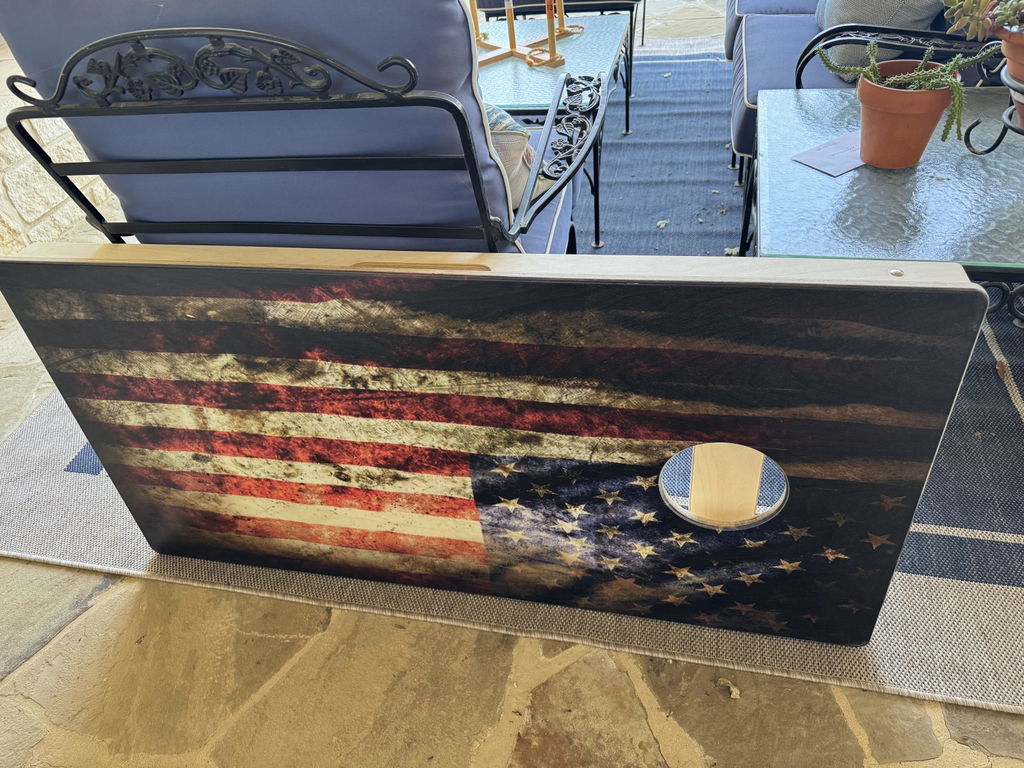
Cornhole has evolved from a casual backyard game into a competitive sport that demands precision, strategy, and skill. Whether you're just starting or looking to elevate your game to tournament level, mastering the fundamentals will transform your performance on the boards. This comprehensive guide will walk you through every essential skill needed to dominate your next cornhole match.
Understanding the foundation of cornhole rules is crucial before diving into advanced techniques. The game's simplicity makes it accessible to beginners, yet its depth provides endless opportunities for improvement. At Skip's Garage, we've seen countless players transform their abilities by focusing on proper fundamentals and consistent practice.
Understanding Cornhole Rules and Game Setup
Before developing your throwing technique, you must understand the rules for cornhole thoroughly. The official game uses regulation boards measuring eight feet long and four feet wide, positioned twenty-seven feet apart for adult play. Each board features a six-inch hole centered nine inches from the back edge.
The scoring system forms the backbone of cornhole strategy. Bags that land on the board earn one point, while bags that pass through the hole score three points. Only one team can score per inning, and the scoring team earns the difference between their total and their opponent's total for that round.
Games typically play to twenty-one points, and teams must win by exactly two points or more. This rule creates exciting comeback opportunities and prevents games from ending too quickly. Understanding these rules for cornhole helps you make strategic decisions during crucial moments.
Quality equipment makes a significant difference in your performance. Professional-grade boards provide consistent bounce and slide characteristics that cheap alternatives cannot match. At Skip's Garage, we pride ourselves on quality products and manufacturing, so we only work with companies that do the same. To ensure the highest possible quality, we spend the extra time and effort to ensure that you are getting the absolute best product, one hundred percent of the time.

Mastering Your Throwing Stance and Grip
Your throwing stance establishes the foundation for every successful toss. Stand with your feet shoulder-width apart, positioning your dominant foot slightly forward. This stance provides stability while allowing natural weight transfer during your throw.
The grip requires a delicate balance between control and release. Hold the bag with your fingertips rather than your palm, allowing for clean rotation upon release. Your thumb should rest on top of the bag while your fingers support underneath. This grip enables consistent spin and prevents the bag from sticking to your hand.
Weight distribution plays a crucial role in accuracy. Start with your weight evenly distributed, then shift to your back foot as you begin your throwing motion. This transfer creates momentum and power while maintaining balance throughout the throw.
Practice your stance regularly without throwing to develop muscle memory. Stand in position for extended periods, focusing on comfort and stability. Your stance should feel natural and repeatable, allowing you to focus on targeting rather than balance during actual gameplay.
Developing Consistent Throwing Mechanics
Consistent throwing mechanics separate recreational players from serious competitors. Your throwing motion should follow the same path every time, creating predictable results and building confidence in your abilities.
The pendulum motion forms the core of effective cornhole throwing. Start with the bag at chest level, then swing your arm backward in a smooth arc. The backswing should reach approximately hip level, providing enough momentum for a controlled forward motion.
Your follow-through determines accuracy and bag behavior upon landing. Continue your arm motion toward the target even after releasing the bag. This follow-through ensures proper spin and prevents premature release that causes erratic flight patterns.
Timing your release requires extensive practice and attention to detail. Release the bag when your arm reaches the bottom of its forward swing, just before it begins moving upward. This timing creates the optimal trajectory for consistent landing patterns.
Targeting Strategies for Maximum Points
Effective targeting goes beyond simply aiming for the hole. Understanding board dynamics and developing multiple targeting strategies gives you options for different game situations.
The center of the board represents the highest-percentage target for most throws. Bags landing in this area typically stay on the board while providing opportunities for subsequent throws to push them toward the hole. This strategy builds consistent scoring while minimizing risk.
Hole shots require precise aim and confidence in your throwing ability. When attempting hole shots, focus on the back edge of the hole rather than the center. This targeting approach accounts for the natural arc of your throw and increases your chances of success.
Blocking strategies become essential when your opponent establishes strong positioning. Throwing bags that land between your opponent's bags and the hole prevents them from scoring while creating opportunities for your team to catch up.
The four-bag strategy involves planning your entire turn before throwing your first bag. Consider how each throw sets up subsequent opportunities and how your opponent might respond to your positioning.
Reading Board Conditions and Adapting Your Play
Board conditions significantly impact bag behavior and require constant assessment throughout gameplay. Factors such as humidity, temperature, and board surface affect how bags slide and stick upon landing.
Humidity creates faster board conditions that cause bags to slide more readily. When conditions are humid, aim shorter and expect bags to travel further after landing. Adjust your throwing power accordingly to maintain consistent targeting.
Dry conditions produce slower boards where bags tend to stick upon landing. These conditions favor aggressive hole shots and require more power to achieve proper bag positioning. Monitor conditions throughout your game and adapt your strategy accordingly.
Wind presents unique challenges that test your adaptability. Crosswinds require adjusting your aim to compensate for drift, while headwinds demand increased throwing power. Practice in various wind conditions to develop instinctive adjustments.
Advanced Techniques for Competitive Play
Advanced cornhole techniques separate tournament players from casual enthusiasts. These skills require dedicated practice but provide significant advantages in competitive situations.
The push shot involves using your bag to move existing bags on the board. This technique allows you to push your own bags toward the hole or knock opponent bags off the board. Execute push shots with controlled power and precise targeting.
Spin control affects how bags behave upon landing. Backspin causes bags to stop quickly, while topspin creates forward momentum after landing. Side spin can curve bags around obstacles or into better positions.
The cut shot targets the edge of existing bags to change their position while maintaining board presence. This advanced technique requires exceptional accuracy but can create multiple scoring opportunities from a single throw.
Psychological tactics play an important role in competitive cornhole. Maintain consistent pre-throw routines to build confidence and unsettle opponents. Stay composed during pressure situations and avoid showing frustration after missed shots.
Practice Routines That Build Championship Skills
Structured practice routines accelerate skill development and identify areas needing improvement. Dedicate specific practice time to different aspects of your game rather than simply throwing casually.
Distance practice involves throwing from various distances to develop touch and feel. Start at shorter distances and gradually increase range as your accuracy improves. This practice builds confidence and prepares you for different playing conditions.
Accuracy drills focus on hitting specific targets repeatedly. Place markers on the board and attempt to hit them consistently. Track your success rate and work to improve your percentage over time.
Pressure practice simulates game conditions where every throw matters. Practice scenarios where you need specific shots to win or tie games. This preparation builds mental toughness and execution under pressure.
Elevating Your Game to Championship Level
Mastering cornhole requires dedication, practice, and quality equipment that supports your development. The skills outlined in this guide provide the foundation for competitive success, but consistent application and refinement separate good players from great ones.
At Skip's Garage, we understand that serious players demand serious equipment. We are the perfect choice for anyone looking for custom cornhole boards. With our years of experience, top-notch craftsmanship, and commitment to customer satisfaction, we offer an unbeatable product and service. Every board is constructed with high-quality materials to ensure the perfect playing experience.
Your journey to cornhole mastery begins with understanding the fundamentals and progresses through dedicated practice and strategic thinking. Focus on building consistent mechanics before attempting advanced techniques, and remember that even professional players continue refining their skills throughout their careers.
The combination of proper technique, quality equipment, and strategic thinking will elevate your cornhole game to new heights. Whether you're competing in tournaments or dominating backyard gatherings, these skills will serve you well in any cornhole setting.