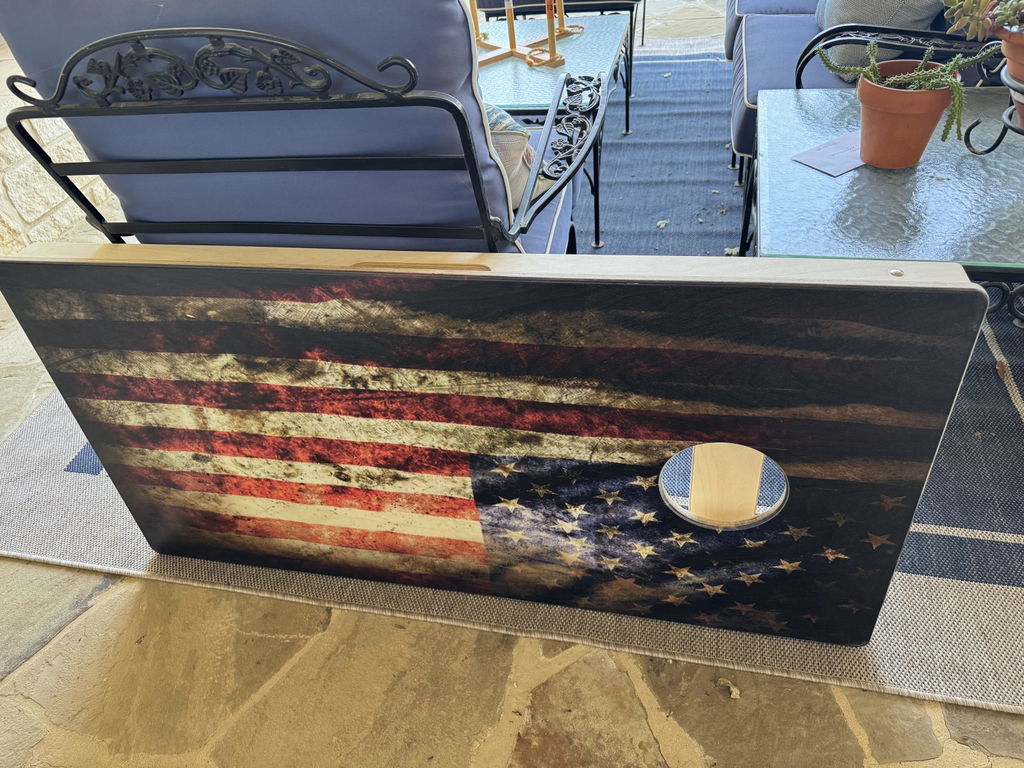
Cornhole isn’t just a casual backyard game anymore; it has become a competitive sport with serious players, tournaments, and intense rivalries. At the highest levels of the game, the difference between a win and a loss can come down to the precision of a single throw. But what makes some cornhole throws so consistently accurate while others miss the mark? The answer lies in the science and biomechanics behind the game.
This guide takes a deep look at the intricate mechanics of the perfect cornhole throw, breaking down how physics, biomechanics, and practice converge to achieve peak performance. Whether you're a player honing your skills, a motion analysis specialist, or a sports science enthusiast, understanding these fundamentals can elevate your game insights to the next level.
Breaking Down the Biomechanics of a Cornhole Throw
The human body operates as a dynamic system during a cornhole toss. Every movement, from how your feet are positioned to the flick of your wrist, directly impacts the bag's trajectory and landing. Biomechanics dissects these movements into several key stages, allowing athletes to refine each step for precision.
To start, foot placement forms the foundation of control. Players will find greater stability by aligning their lead foot with the direction of their throw. This alignment minimizes side-to-side movement, helping direct the energy flow toward the board. Coupled with a slight bend in the knees and a balanced posture, players can maintain consistent form and improve their accuracy.
The throwing arm acts as the primary vector for the bag's launch. A steady, pendulum-like swing ensures a smooth release. Rather than relying on brute force, the throw benefits more from a controlled motion where the arm's natural movement carries the momentum. This fluidity minimizes variability, a critical factor for consistent throws.
Wrist action, often overlooked, is another small yet powerful component of the throw. Adding spin to the bag by releasing it with a slight wrist rotation increases the bag’s stability in the air. The rotation, or "flat spin," keeps the bag's trajectory steady and increases the likelihood that it lands flat on the board, maximizing the chance of sliding into the hole.
The Role of Physics in Cornhole
Physics heavily influences how the bag travels from your hand to the hole. When you toss the bag, you're essentially engaging in projectile motion, a concept governed by gravity, angle, and force.
The optimum launch angle for a cornhole throw falls between 30-35 degrees. At this angle, the bag reaches a peak height that maximizes accuracy while covering the distance between cornhole boards, which is exactly 27 feet. Too shallow an angle, and the bag falls short or lacks precision. Too steep an angle, and the bag risks bouncing off the board rather than sliding gracefully toward the hole.
Force is another critical factor. Underthrowing leads the bag to fall short, while overpowering risks the bag flying off the board. A smooth, consistent release generates just the right amount of kinetic energy to propel the bag over the required distance.
Spin, as previously mentioned, also plays into the physics of the throw. The spin creates gyroscopic stability, essentially stabilizing the bag mid-flight. Think of it like a bicycle wheel that stays upright as it spins faster. A spinning cornhole bag resists external forces, such as air resistance, improving its chances of landing precisely where intended.
Mental Factors That Enhance Precision
Mastering a perfect cornhole throw is as much about mental discipline as it is about the physical mechanics. Confidence, focus, and the ability to perform under pressure define the best players.
Visualization can be a powerful mental tool. Many professional players visualize the ideal throw before stepping up to the board. This process trains their brain to understand the throw’s desired trajectory, increasing muscle memory and reinforcing confidence.
Staying consistent in your routine is another crucial component. Sports psychologists emphasize the importance of pre-throw rituals. Whether it’s taking a deep breath, adjusting your stance, or bouncing the bag in your hand a few times, these small habits help reset focus and reduce performance anxiety.
Equipment and Its Influence
The quality of your cornhole equipment plays a role in determining the success of your throws. Subtle variations in board size, bag weight, and surface material can greatly influence the dynamics of the game.
Regulation boards, such as those used in professional tournaments, measure 2 feet by 4 feet with a smooth playing surface. The distance between cornhole boards is standardized at 27 feet, creating a consistent foundation for competitive play.
Cornhole bags themselves are meticulously designed. High-quality bags weigh between 15.5-16 ounces, and their outer material influences their slide or grip on the board. Dual-sided bags, featuring a slick side for sliding and a textured side for grip, provide players with strategic options depending on play style.
Practice Strategies to Increase Accuracy
Refinement comes with repetition. Practice drills help embed muscle memory, transforming each component of the perfect throw into a second-nature habit.
Baseline throwing involves repeatedly tossing bags at the hole while focusing on one specific element of the throw, such as wrist spin or release angle. Isolating elements makes it easier to tweak and adjust movements until they feel automatic.
Target practice can help improve precision. Placing smaller targets or obstacles on the board challenges players to control their throws’ direction, spin, and power. Over time, this focused practice creates sharper accuracy, even in high-pressure scenarios.
Players can also simulate game scenarios by varying their practice conditions. Experimenting with bag weights, surface types, or even environmental factors such as wind gusts builds adaptability, an underrated skill in competitive cornhole.

Elevating Performance with Data-Driven Insights
Modern technology, such as performance metrics tools and motion analysis systems, offers players next-level insights into their throwing mechanics. High-speed cameras and slow-motion software analyze sequences frame by frame, identifying inefficiencies and inconsistencies invisible to the naked eye.
Wearable tech can provide data on arm velocity, launch angle, and release timing. Using this information, players, coaches, and sports analysts can fine-tune techniques to approach the precision seen in elite athletes.
This data-driven approach not only sharpens existing skills but also builds a library of knowledge that future cornhole athletes can use to refine their strategies.
Take Your Cornhole Game to the Next Level
Understanding the science behind a perfect cornhole throw is the first step toward consistently nailing your shots. By aligning biomechanics, physics, mental discipline, and tailored practice, you can transform your skills from average to elite.
Whether you’re a competitive athlete or an engineer studying motion dynamics, the data at your disposal, combined with a passion for technique refinement, sets you up for continued growth.
Looking to perfect your throw? Explore customized gear and high-quality cornhole boards designed for precision play at Skip's Garage. Start your cornhole mastery today.