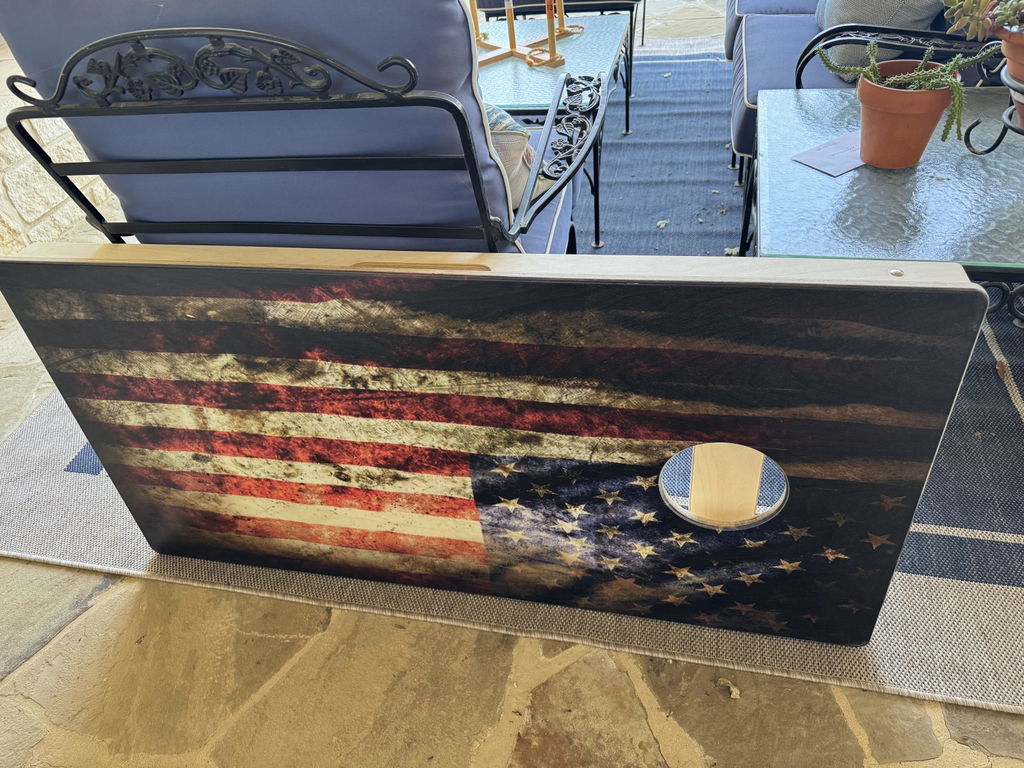
When it comes to cornhole, most people might picture relaxed backyard games, laughter over barbecue smoke, and bean bags lazily thrown at wooden boards. But for doubles cornhole matches—particularly in competitive settings—there’s much more going on than meets the eye. It’s a game where individual skill is only half the story. The other half? Teamwork.
If you've ever watched a high-level doubles cornhole match or even participated in one yourself, you’ve likely noticed the subtle, unspoken communication between players, the strategic throws, and the undeniable camaraderie. Doubles cornhole isn’t just about scoring points; it’s about building synergy with your partner and leveraging that teamwork to outwit your opponents.
Today, we’re going to explore why teamwork plays such a pivotal role in doubles cornhole matches, how it can impact the way you play and win, and why solid communication and strategy matter just as much as effectively tossing those trusty cornhole bean bags.
Doubles Cornhole Is More Than Individual Performance
Most sports have elements of teamwork, but doubles cornhole takes it to a unique level. This isn’t just tossing bean bags with brute accuracy—it’s an intricate dance of trust, predictability, and playing off each other’s strengths.
Picture this scenario—your partner has just made a perfect airmail shot, threading their cornhole bean bag through a narrow gap to score three points. Now it’s up to you to either pile on the pressure by extending the lead or make a defensive slide to block your opponent. Without a shared understanding of strategy, those opportunities could fizzle into missed throws and missed wins.
Good doubles cornhole players instinctively understand one another's next moves, almost as if they’re operating on a secret wavelength. This synchronicity keeps the team grounded under pressure and, often, can be the reason they outlast their less cohesive opponents.
Communication Is Silent but Critical
Cornhole is by no means a chaotic, high-energy game with constant motion. But don’t mistake its relaxed pace for a lack of tactical thinking. Communication between partners, whether verbal or nonverbal, is key to executing those tactics effectively.
Subtle head nods. A glance at the state of the board. A quick word of encouragement or a reminder to stay calm—all these small interactions form the backbone of teamwork in a doubles match. Clear communication helps players evaluate the game state, strategize on the fly, and adapt to unexpected defensive plays by their opponents.
Even in league play or casual matches, you might see communication shaping how players approach particular shots. It could be something as simple as agreeing on whether to play aggressively or defensively. Either way, the difference between partners who genuinely "get" each other and those who don’t is apparent in how they perform together.
Knowing Your Partner’s Strengths and Weaknesses
No two cornhole players are the same. One might specialize in slide shots, while another has perfected the art of the airmail. Great doubles teams don’t just work around these differences; they harness them as an advantage.
When choosing a partner, understanding each other’s strengths and weaknesses is essential. Does your partner have more consistent accuracy but struggle under pressure? Perhaps you're the clutch player who can confidently step up in high-stakes moments. Together, your aim shouldn’t be to compensate for weaknesses individually but rather to balance each other out in a way that elevates your combined performance.
A team that understands how to rotate roles, shift priorities, or adjust strategy based on their competitive dynamic will keep opponents guessing and gain the upper hand.
Strategy Makes or Breaks Your Game
While tossing cornhole bean bags may seem like an instinctive skill, any seasoned player will tell you that strategy is just as important as execution. A well-planned strategy hinges on cooperation, trust, and mutual accountability.
For example, let's say a mismatch develops during a round where one player on the opposing team consistently dominates. It’s up to you and your partner to adjust your tactics. Maybe they’ll focus on blocking, while you attempt to rack up critical points—or vice versa, depending on who has the hot hand.
Simple decisions like whether to play “dirty” (blocking the hole to force opponents out of rhythm) or capitalize heavily on offensive scoring opportunities rely on teamwork. One player cannot decide strategy on their own in doubles; it needs unanimous confidence and execution from both sides.
Why Chemistry Matters
Have you noticed that the best doubles teams often have profound chemistry and personal connections? Whether lifelong friends, siblings, or teammates who have played countless hours together, that emotional bond translates into seamless gameplay.
Chemistry leads to an inherent trust, the kind that allows you to focus entirely on your shot without worrying about the next move—because you know your partner has you covered. While individual talent can win games, chemistry can win tournaments.
Teamwork Creates Memorable Moments
Beyond rankings and scores, what makes doubles cornhole truly special is the shared experiences it provides. Landing a stunning four-bagger, only to see your partner celebrate your triumph with equal enthusiasm, is one of the highlights of working together as a team.
Families and friends playing doubles together often find that cornhole becomes a bonding experience, not just a competition. The moments spent strategizing, laughing, celebrating victories, or even regrouping after losses are what make doubles cornhole so meaningful—and arguably much more engaging than singles matches.
Elevate Your Doubles Game
If you’re currently playing doubles cornhole casually or competitively, take a moment to reflect on how integral teamwork is to your success. Beyond simply practicing the toss technique and aiming at perfection, spend time building communication, chemistry, and strategic alignment with your partner.
Many cornhole enthusiasts overlook the importance of working together. Yet, any elite duo will tell you—it’s not just how you throw the cornhole bean bags; it’s how you and your partner adapt, connect, and conquer the game together.
Whether you're playing a backyard match on a lazy Saturday or stepping into the competitive spotlight at your next cornhole league tournament, remember this golden rule—success in doubles cornhole is always better shared.