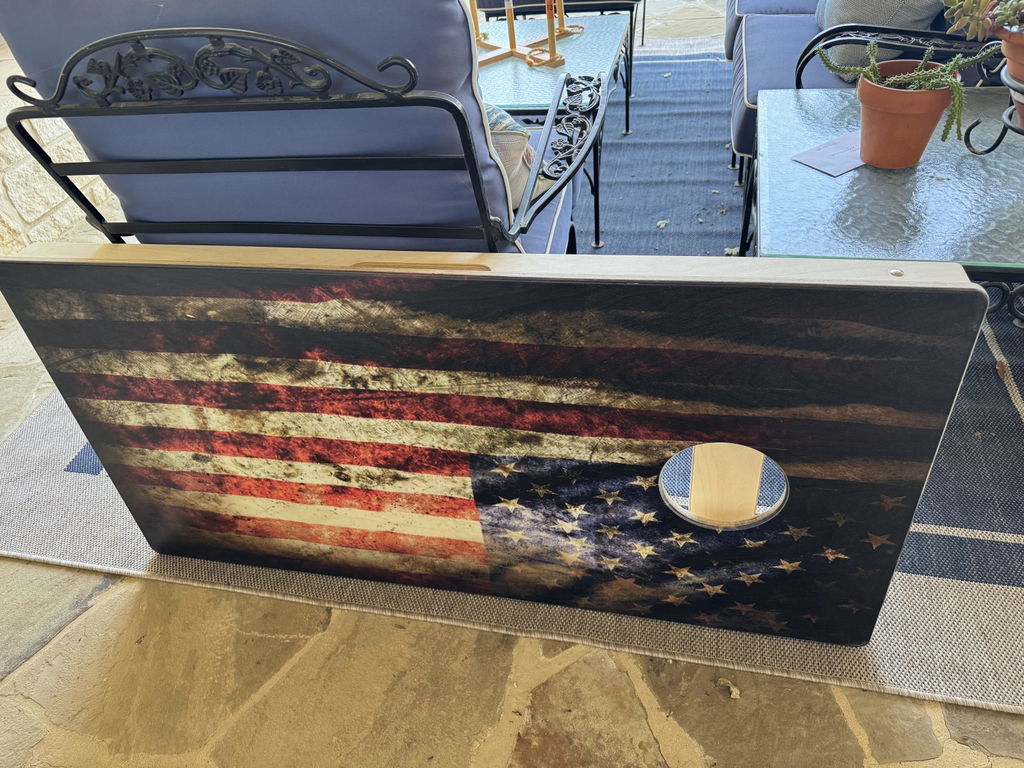
It’s undeniable that cornhole has transcended its roots as a backyard pastime to emerge as a thriving competitive sport. From recreational league meetups to high-stakes tournaments played on cornhole boards of regulation size, the sport has grown exponentially over the past decade. But as competition heats up, a critical element of cornhole is often overshadowed by the desire to win at all costs—sportsmanship.
Sportsmanship is the foundation of a positive cornhole experience, fostering respect, fairness, and camaraderie among players, organizers, and fans. Like any sport, cornhole benefits from upholding the core values of good sportsmanship, which not only elevate the quality of the competition but also contribute to the long-term growth and enjoyment of the game.
This blog explores why good sportsmanship is essential in cornhole tournaments and offers insights on how every participant—from beginners to seasoned players and tournament organizers—can ensure it remains a priority in every game played.
Setting the Tone for a Respectful Environment
At the heart of every successful cornhole tournament is a commitment to fostering a respectful environment. Good sportsmanship acts as the underlying guideline for every interaction, whether between competitors, team members, referees, or spectators. The beauty of cornhole lies in its accessibility and casual roots, making it a naturally inclusive sport that welcomes players from all walks of life.
When players treat each other with respect, regardless of skill level or experience, it creates an inviting atmosphere that encourages newcomers and strengthens the bonds within the cornhole community. A handshake before a match, a “nice toss” after a great throw, or even a nod of appreciation when someone hits a clutch airmail are small gestures that go a long way in promoting mutual respect.
For tournament organizers, setting clear expectations about sportsmanship at the start of an event lays the groundwork for a positive competition. Simple reminders about etiquette during the rules briefing or official guidelines reinforced by referees can help maintain a respectful tone throughout the tournament.

Fair Play and Integrity as Pillars of Competition
Cornhole tournaments are about more than just tossing bags onto cornhole boards of regulation size; they are opportunities for players to showcase their skill, strategy, and love for the game. However, when the desire to win overrides fair play, the spirit of the sport takes a backseat. Unsportsmanlike behaviors, such as distracting opponents, arguing over calls, or tampering with equipment, undermine the integrity of the game.
Upholding fairness ensures that every player has an equal opportunity to perform at their best. Accurate scoring, consistency in enforcing rules, and adherence to guidelines are non-negotiable factors for running a tournament that everyone respects. Many cornhole tournament organizers turn to certified judging programs or adopt official rules from governing bodies like the American Cornhole League (ACL) to standardize fair play.
Fair play not only builds trust among players and organizers, but it also enhances the professional image of cornhole as a legitimate competitive sport. When all participants know that fairness is prioritized, they are more likely to focus on honing their skills and respecting the competition.
Building Stronger Relationships Within the Community
Cornhole has a unique way of bringing people together. Whether it’s family and friends bonding over a backyard game or professionals networking at a corporate cornhole event, the sport thrives on strong relationships. Good sportsmanship serves as the glue that holds this community together.
For amateur players, tournaments are opportunities not only to compete but also to form connections with others who share their passion for the game. Exhibiting sportsmanship allows players to make lasting friendships and cultivate a sense of belonging within the wider cornhole network.
Professional athletes, too, play a critical role in shaping the culture of sportsmanship. Their behavior, whether graciously accepting defeat or celebrating victories with humility, sets an example for fans and aspiring players. By prioritizing their role as ambassadors of the sport, professional players inspire the next generation to approach the game with the right mindset.
Creating a Positive Experience for Fans and Spectators
Spectators are an integral part of cornhole tournaments, adding excitement and energy to the event. However, the behavior of players and fans alike can influence the overall atmosphere, for better or worse.
Positive sportsmanship enhances the spectator experience by creating a competitive yet enjoyable environment. When players uphold the values of fairness and respect, fans are treated to compelling matches that highlight the best aspects of cornhole as a sport. Whether cheering for close matches or applauding particularly skillful shots, engaged spectators contribute to an electric event atmosphere.
On the flip side, poor sportsmanship has the potential to sour the experience for everyone involved. Heated arguments, unsportsmanlike conduct, or disrespect toward referees can shift attention away from the game and create an uncomfortable environment. By prioritizing sportsmanship, organizers can ensure a family-friendly and inclusive environment that draws in even more fans to grow the sport's audience.
Lessons for Youth and Aspiring Players
Cornhole’s simplicity makes it an ideal sport for introducing young players to the value of fair competition and respect. For parents, educators, and coaches working with young players, emphasizing good sportsmanship helps them develop important life skills that extend beyond the game.
Youth cornhole leagues, clubs, and school tournaments benefit hugely from an intentional focus on sportsmanship. When students see their leaders model respectful behavior both on and off the boards, they learn to carry these values into their everyday lives. Skills like teamwork, self-discipline, and handling both wins and losses with grace are critical for their development as future leaders and players.
Equally important, introducing young players to contests played on cornhole boards regulation size provides valuable exposure to the professional side of the sport. With the right guidance, they can transition from recreational play to competitive tournaments by fostering their dedication to the sport and the core values it upholds.
Sportsmanship Elevates Cornhole, One Bag Toss at a Time
Cornhole’s rise in popularity as a competitive sport gives players and organizers an amazing opportunity to shape its future and build a long-lasting legacy. At the core of this future lies the cultivation and promotion of good sportsmanship.
By fostering a respectful and fair environment, the cornhole community ensures that the sport thrives in a way that brings joy to players, fans, and organizers alike. Sportsmanship isn’t just about the competition; it’s about the connections we make, the lessons we learn, and the shared passion for a simple yet beautiful game. Every nod of respect, every fair call, and every kind word shared between opponents strengthens the bonds within the cornhole community.
If you’re a cornhole enthusiast, a tournament organizer, a PE teacher, or simply someone who loves the sport, take this message to heart. Together, let's celebrate cornhole not just for what it is today, but for what it has the potential to become with sportsmanship as its guiding principle.