Cornhole has evolved from a simple backyard game into a competitive sport with professional leagues, tournaments, and custom equipment that rivals any major sporting event. The game that once existed solely at family barbecues and tailgate parties now commands television coverage, corporate sponsorships, and dedicated venues nationwide. Understanding this transformation reveals not just the history of a beloved pastime but also the power of American ingenuity and community spirit.
The journey from casual lawn game to organized sport represents one of the most remarkable grassroots movements in recreational activities. What started as a way to pass time at outdoor gatherings has evolved into a multi-million-dollar industry, complete with professional players, standardized rules, and equipment that showcases team pride and personal style. This evolution speaks to the game's universal appeal and the dedication of players who saw potential beyond simple entertainment.
The rise of cornhole demonstrates how a simple concept can capture the imagination of millions when combined with quality craftsmanship, community engagement, and the American love for friendly competition. From hand-built boards in garage workshops to professionally manufactured sets featuring team logos and custom designs, the equipment itself tells the story of cornhole's growth and the passion of its players.
Origins and Early Development
The exact origins of cornhole remain somewhat mysterious, with several regions claiming to be the birthplace of this beloved game. The Midwest, particularly Ohio and Kentucky, stake strong claims to cornhole's development, while other accounts trace its roots to German immigrants in Cincinnati during the nineteenth century. Regardless of its precise beginning, cornhole emerged as a distinctly American pastime that reflected the country's love for outdoor recreation and social gathering.
Early versions of the game featured basic wooden platforms with holes cut into them, often constructed from whatever materials were available at the time. Farmers and craftspeople built these boards using scrap wood and filled bags with dried corn kernels, giving the game its enduring name. The simplicity of construction made cornhole accessible to anyone with basic woodworking skills, contributing to its organic spread across communities.
The game's informal nature during its early years meant that rules varied significantly from region to region. Some areas played with different scoring systems, while others modified the distance between boards or the size of the playing surface. This flexibility allowed communities to adapt cornhole to their specific preferences and available space, further cementing its role as a grassroots activity that belonged to the people who played it.
The Tailgating Revolution
College football and professional sports tailgating transformed cornhole from a regional curiosity into a nationwide phenomenon. Parking lots outside stadiums became proving grounds for cornhole enthusiasts who brought their boards to entertain fellow fans before games. The game's portability, ease of setup, and ability to accommodate players of all skill levels made it perfect for the tailgating environment.
Tailgate culture embraced cornhole because it provided structured entertainment that could last for hours without requiring constant attention. Unlike other tailgate activities that might interrupt conversation or food preparation, cornhole allowed participants to maintain social interactions while engaging in friendly competition. The game became a centerpiece around which entire tailgate communities formed lasting friendships and traditions.
The visibility of cornhole at sporting events introduced the game to diverse audiences who might never have encountered it otherwise. Television broadcasts occasionally captured cornhole games in progress, while social media amplified images of elaborate tailgate setups featuring custom boards decorated with team colors and logos. This exposure accelerated cornhole's spread beyond its traditional geographic boundaries and into mainstream American culture.
Custom Boards and Team Pride
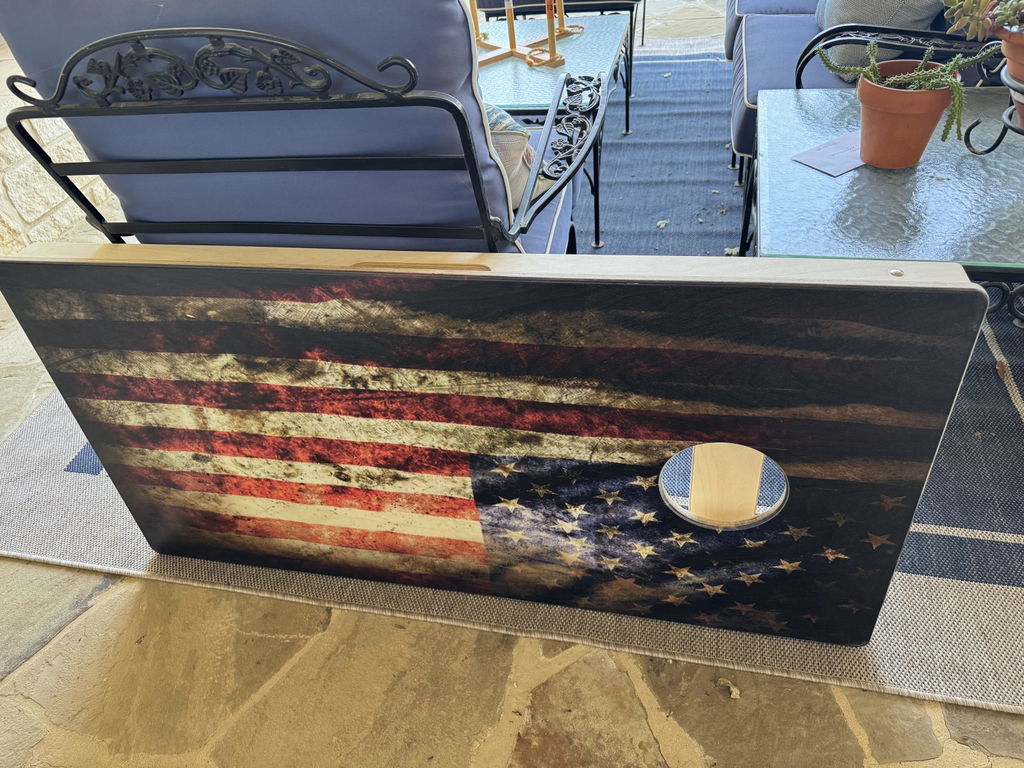
The demand for personalized equipment transformed cornhole from a game played on homemade boards to one featuring sophisticated custom designs that rival professional sports merchandise. Teams, colleges, and organizations began commissioning boards that displayed their logos, colors, and branding with precision and style. This shift toward customization elevated cornhole equipment from functional items to expressions of identity and allegiance.
NFL custom cornhole boards represent the pinnacle of this personalization trend, offering fans the opportunity to showcase their team loyalty through high-quality equipment that performs as well as it looks. Professional-grade construction ensures these boards can withstand regular use while maintaining their appearance and structural integrity. The attention to detail in custom designs reflects the same passion that fans bring to supporting their favorite teams.
Quality craftsmanship in custom boards makes a significant difference in both playability and durability. Premium materials and construction techniques ensure that boards maintain consistent playing surfaces, proper angles, and reliable performance over years of use. When players invest in quality equipment, they're not just buying boards; they're purchasing tools that will enhance their enjoyment of the game for seasons to come.
Tournament Play and Standardization
The transition from casual play to organized tournaments necessitated the establishment of standardized rules and equipment specifications to ensure fair competition across various venues and regions. The American Cornhole Organization emerged as a governing body that codified official dimensions, materials, and gameplay regulations for the sport. These standards provided the foundation for competitive play while maintaining the game's accessibility to recreational players.
Tournament cornhole introduced concepts like seeding, brackets, and championship formats that borrowed from established sports. Prize pools, sponsorships, and media coverage followed, creating professional opportunities for skilled players who dedicated themselves to mastering the game. The competitive scene validated cornhole as a legitimate sport deserving of serious attention and respect.
Regional tournaments grew into national championships, with players traveling across the country to compete for titles and recognition. Television networks began broadcasting major tournaments, bringing cornhole into living rooms nationwide and exposing new audiences to high-level play. This media attention further legitimized competitive cornhole and inspired new players to pursue excellence in the sport.

Modern Equipment Innovation
Contemporary cornhole equipment reflects decades of refinement and innovation that have improved every aspect of the playing experience. Modern boards feature precisely engineered surfaces that provide consistent bounce and slide characteristics, while advanced finishing techniques protect against weather damage and wear. These improvements ensure that today's equipment performs reliably in various conditions and maintains its appearance over extended use.
Advances in manufacturing have made high-quality cornhole equipment more accessible to players at every level. Professional-grade materials and construction techniques once reserved for tournament play are now available to recreational players who demand quality and performance from their equipment. This democratization of premium equipment has elevated the overall standard of play and enhanced enjoyment for countless players.
Custom design capabilities have expanded far beyond simple logo application to include intricate artwork, photographic reproductions, and complex color schemes that turn cornhole boards into functional art pieces. Digital printing technology enables unprecedented detail and color accuracy, while protective coatings ensure that these designs remain vibrant even after regular use and exposure to the outdoors.
The Business of Cornhole
The cornhole industry has evolved into a substantial economic force, supporting manufacturers, retailers, tournament organizers, and professional players nationwide. Equipment sales generate substantial revenue, while tournaments create economic activity in host cities through travel, lodging, and dining expenditures by participants and spectators. Corporate sponsorships and advertising partnerships further contribute to the sport's financial foundation.
Professional manufacturing operations have replaced many small-scale builders, bringing consistency and efficiency to equipment production while maintaining the quality standards demanded by serious players. These manufacturers invest in advanced materials, precision tooling, and quality control processes that ensure every board meets exact specifications for competitive play.
The growth of cornhole has created opportunities for entrepreneurs and businesses that serve the community's diverse needs. Tournament organizers, league administrators, equipment retailers, and venue operators all contribute to a thriving ecosystem that supports the sport's continued expansion and development.
The Future of Cornhole
Cornhole's trajectory suggests continued growth and evolution as new generations discover the game's appeal and competitive players push the boundaries of skill and strategy. Youth programs and school competitions are introducing cornhole to younger audiences, ensuring a pipeline of future players who will carry the sport forward. International expansion brings cornhole to global audiences who appreciate its combination of skill, strategy, and social interaction.
Technology integration offers exciting possibilities for enhancing the cornhole experience through digital scoring systems, performance analytics, and virtual training tools. These innovations can make tournaments more engaging for spectators while providing players with detailed feedback to improve their games. Smart equipment and connected devices may soon become standard features in competitive cornhole.
The sport's governing bodies continue refining rules and regulations to address new situations and maintain competitive integrity as cornhole evolves. These efforts ensure that the game remains fair and accessible while accommodating innovation and growth in equipment, venues, and playing formats.
Building Your Cornhole Legacy
The history of cornhole demonstrates how passion, quality, and community can transform a simple game into a lasting cultural phenomenon. Whether you're organizing tournaments, customizing equipment, or simply enjoying weekend games with friends and family, you're participating in a tradition that connects you to millions of players who share your enthusiasm for this uniquely American sport.
Investing in quality equipment ensures that your cornhole experience lives up to the sport's proud heritage while providing years of reliable performance and enjoyment. Custom boards featuring your favorite team's colors and logos allow you to express your personality and allegiances while playing a game that brings people together across all backgrounds and skill levels.
The story of cornhole's evolution from tailgate entertainment to tournament competition continues to unfold with each new player who discovers the game's enduring appeal. By understanding this history and choosing quality equipment that honors the sport's traditions, you become part of cornhole's ongoing legacy and contribute to its bright future.