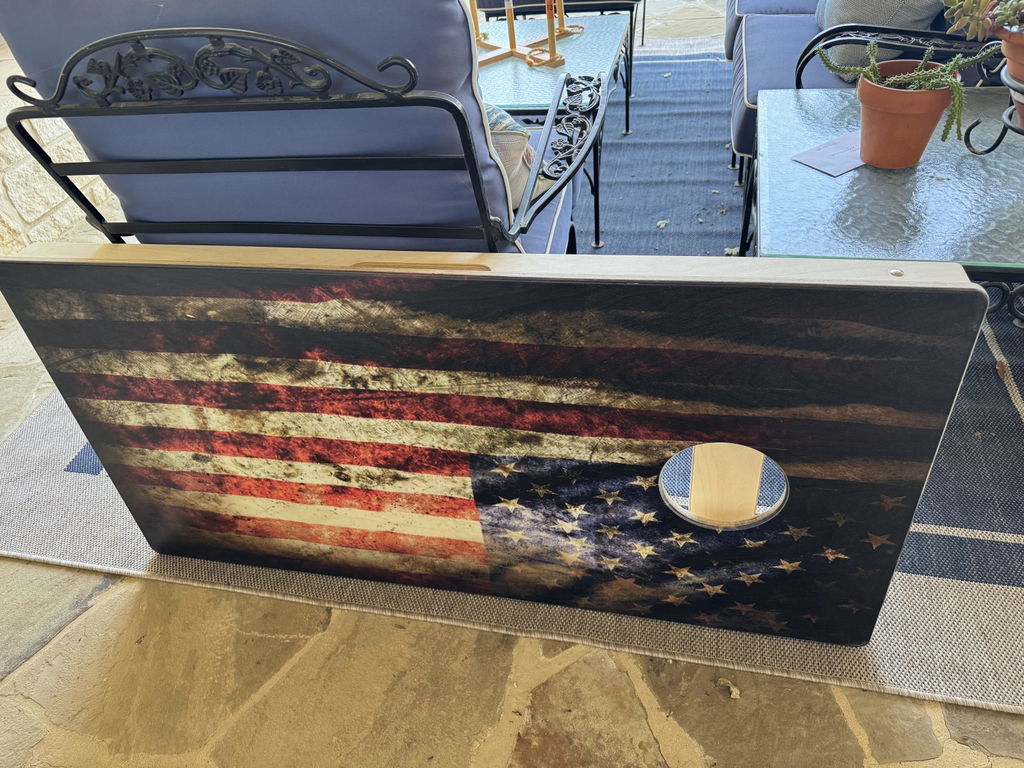
It’s hard to find a pastime more beloved at parks, beaches, and backyard gatherings than cornhole. Simple, fun, and social, this classic lawn game offers an easy way to bring people of all ages together. But as the popularity of cornhole grows, its environmental footprint also expands. For eco-conscious gamers, throwing a beanbag into the air can come with some unintended consequences for the environment.
From the materials used in cornhole boards to the waste generated at tournaments, cornhole has room to improve when it comes to sustainability. Thankfully, there are meaningful ways players, planners, and manufacturers can work toward making the game greener. Keep reading to learn about the environmental challenges cornhole presents and how you can play sustainably without compromising on fun.
Why Cornhole’s Environmental Impact Matters
Like any other recreational activity, cornhole has an environmental cost. On the surface, it might seem harmless, but a closer look reveals that the materials, production processes, and disposal of equipment leave a significant footprint.
Cornhole boards are traditionally made from plywood, particleboard, or cheap plastic. While these materials are readily available, many are non-recyclable or treated with chemicals that can harm the environment when disposed of improperly. Additionally, the paints and finishes used to decorate boards often contain toxic solvents and finishes. Bean bags, too, typically rely on synthetic fillers like plastic resin pellets or foam that are not biodegradable.
The scale of cornhole’s popularity compounds these challenges. Tournaments and events generate significant waste, including single-use cups, plastic packaging, and other disposable items. Every aspect of the game’s footprint contributes to larger environmental concerns like deforestation, pollution, and landfill overflow.
Luckily, there are many ways to address these issues. With conscious choices, playing cornhole can align beautifully with sustainability goals.

The Case for Sustainable Materials
Sustainable cornhole starts with rethinking the materials used to create equipment. Eco-friendly alternatives to traditional wood and synthetic materials not only reduce environmental harm but also enhance quality and durability.
Boards constructed from Trex composite wood offer a perfect blend of sustainability and performance. Trex cornhole boards are made from recycled plastic and wood fibers, reducing the reliance on virgin materials and diverting waste from landfills. They are highly durable, resistant to weather damage, and require less maintenance over their lifetime, making them a superior option for anyone serious about long-term sustainability.
Other eco-friendly board options include sustainably sourced bamboo or FSC-certified wood. These materials are harvested responsibly, helping to protect forests and promote biodiversity. Even bean bags can be improved with natural fillers like corn kernels or recycled cotton stuffing, which are biodegradable and kinder to the planet.
By choosing sustainable materials for your cornhole setup, you create less waste, reduce the demand for harmful products, and promote a greener way to enjoy this classic game.
Sustainable Event Planning
Cornhole tournaments and events offer an excellent opportunity to bring communities together, but they can also create a lot of waste. Eco-conscious event planning can help minimize this impact and set a positive example for attendees.
To start, try opting for reusable or biodegradable materials wherever possible. Cups, plates, and utensils at events should be made from bamboo, compostable plastics, or other plant-based materials. Encourage participants to bring their own reusable water bottles or provide refill stations to cut down on single-use plastics.
Consider creating designated recycling and composting stations clearly labeled for attendees. Making it easy for guests to dispose of their waste responsibly can significantly reduce landfill-bound trash.
Event swag can also become more sustainable. Skip the plastic trinkets and offer items like seed packets, reusable tote bags, or recycled notebooks instead. Sponsors and organizers should lean into environmentally friendly branding to ensure giveaways leave a positive impact.
Greener Production Methods
It’s no secret that the manufacturing industry has made huge strides toward sustainable practices. Cornhole manufacturers who adopt greener production methods can lead the charge in reducing the sport’s overall environmental footprint.
By prioritizing renewable energy in production processes, manufacturers can significantly reduce their carbon emissions. Water-based, VOC-free paints and finishes can also cut down on harmful chemicals used to decorate boards. Sustainable packaging methods, such as using recycled cardboard or eliminating unnecessary plastic, have become increasingly common and can make a big difference.
Manufacturers offering customization options can take another step toward sustainability. Customers can purchase high-quality, personalized products they’ll cherish, reducing the chances of replacements or disposals down the line.
Additionally, brands can collaborate with organizations that plant trees or invest in conservation efforts to offset the environmental impact of their products. For every cornhole set sold, imagine the positive ripple effect of planting trees and supporting cleaner air for generations to come.
Inspiring Others to Play Sustainably
Creating a culture of sustainability within the cornhole community is key to lasting change. Moving toward greener practices often starts with education and advocacy at the grassroots level.
Environmental educators and community organizers who host cornhole tournaments can include eco-awareness messaging in their events. From highlighting the benefits of Trex cornhole boards to hosting workshops on DIY sustainable bean bags, events can serve as platforms for impactful discussions.
Organizations and schools that incorporate cornhole can use the game as a teaching opportunity to emphasize the importance of protecting natural resources. Building awareness among players about the impact their choices have on the environment ensures sustainable habits grow over time.
Even sharing tips for greener gameplay on social media or within group chats can help spark change. The more members of the cornhole community advocate for sustainable practices, the closer we inch toward a better, more balanced relationship with the planet.
Play Your Part for the Planet
Cornhole is more than just a fun game. When played with sustainability in mind, it becomes a way to connect with nature and protect it at the same time. Whether you’re upgrading to Trex cornhole boards, planning an eco-friendly event, or spreading awareness about greener gameplay, every small step makes a difference.
By making thoughtful decisions about how you play, you can ensure that cornhole’s popularity grows hand in hand with an enduring commitment to sustainability. With the support of conscious gamers, event planners, and manufacturers, we can all play our part to secure a brighter, greener future