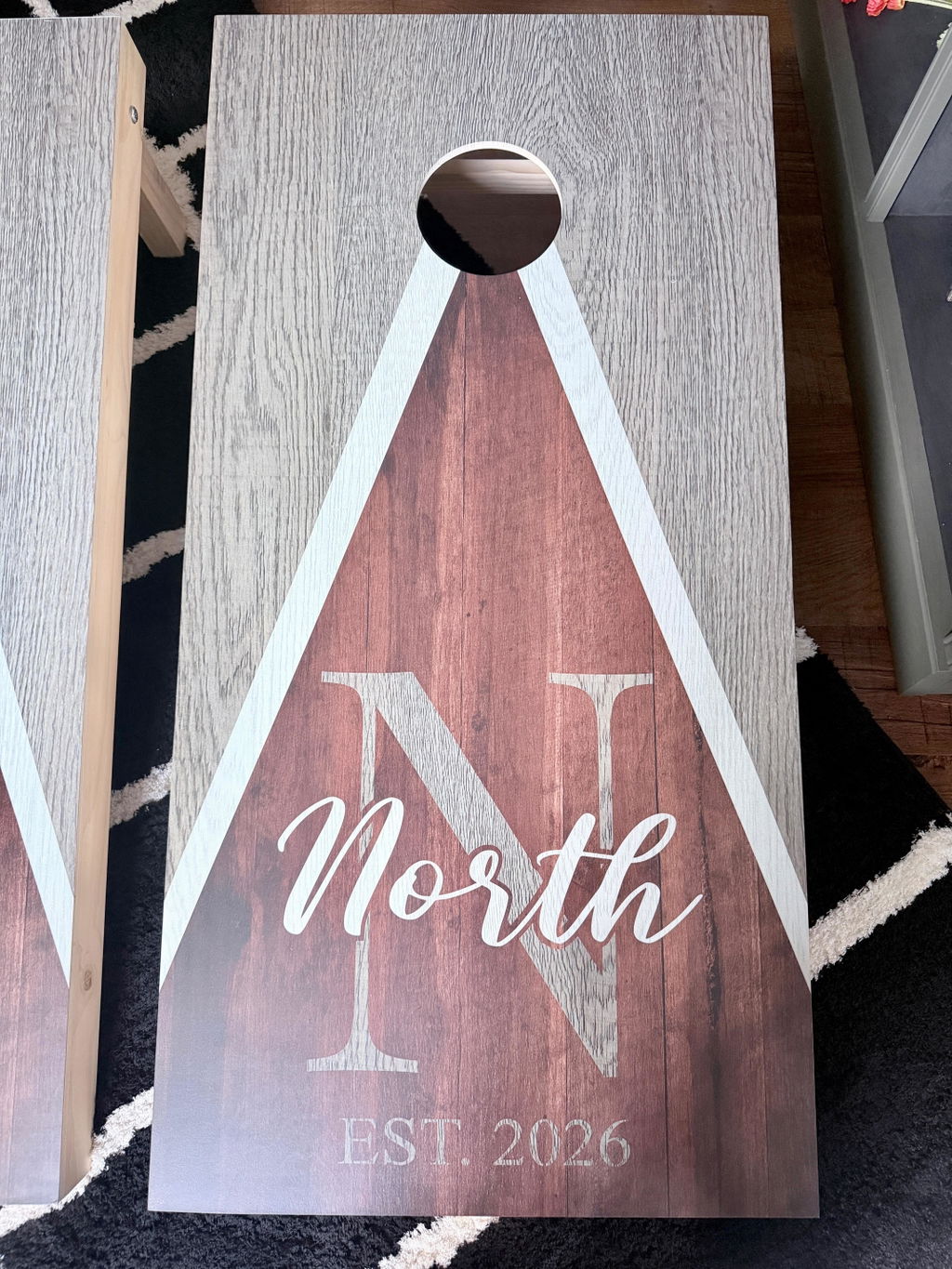
The best finish for cornhole boards is a polyurethane topcoat applied over paint or stain. Polyurethane gives you the smooth, fast surface that serious players want, while protecting the wood from moisture, scratches, and sun damage. For most builders, two to three coats of water-based polyurethane strike the perfect balance between speed and durability.
A great game of cornhole comes down to more than just a steady throw. The surface of your boards plays a huge role in how your bags slide, how long your set lasts, and how good the whole thing looks sitting in your backyard. That's why the finish you choose matters so much.
At Skip's Garage, we've finished thousands of cornhole boards, and we've learned exactly what separates a board that plays beautifully for years from one that warps, chips, or slows down after a single summer. The right finish protects your investment and gives every bag that satisfying glide toward the hole.
In this guide, we'll walk you through the most popular finishes for cornhole boards, the pros and cons of each, and the factors that should guide your decision. Then we'll show you how to apply a finish that lasts, plus how to care for your boards once the work is done. By the end, you'll know exactly how to give your boards a smooth, professional, tournament-ready surface.
Why the Finish on Your Cornhole Boards Matters
The finish is the layer that does the heavy lifting. It controls how fast your bags slide across the surface, which directly affects gameplay. A finish that's too rough will grab the bags and kill your throws. A finish that's too slick can send bags sailing right off the back.
Beyond playability, the finish protects the wood underneath. Cornhole boards live outside, get rained on, sit in the sun, and take a beating from constant use. Without a proper finish, the plywood can swell, warp, and crack. A quality finish seals the surface, repels moisture, and keeps your boards looking and playing great for years.
So when we talk about the best finish for cornhole boards, we're really talking about two things at once: how the boards play and how long they last. Get both right, and you've got a set worth keeping.
What Are the Most Popular Cornhole Board Finishes?
There are four finishes that builders reach for most often, and each one serves a different purpose. Paint adds color and design. Stain shows off the natural wood grain. Polyurethane provides the protective, slick topcoat. Vinyl wraps offer a quick, decorative shortcut. Let's break each one down.
Should You Use Paint on Cornhole Boards?
Paint is the go-to choice for builders who want bold colors, team logos, or custom designs. Acrylic latex paint works well because it adheres to wood and comes in nearly any color you can imagine.
The upside of paint is creative freedom. You can match a favorite sports team, add stripes, or paint a full mural across the playing surface. The downside is that paint alone won't give you the smooth, fast slide that good cornhole demands, and it won't hold up to the elements on its own.
If you choose paint, use thin, even coats and let each one dry completely. Most importantly, always seal painted boards with a clear polyurethane topcoat. The paint provides the look, and the polyurethane provides the playability and protection.
Is Stain a Good Choice for Cornhole Boards?
Stain is the answer for anyone who loves the natural beauty of wood. Instead of covering the grain, stain soaks into it and enhances it, giving your boards a warm, classic appearance.
Stain is easy to apply and forgiving for beginners. The catch is that, like paint, stain offers almost no protection or slides on its own. It changes the color of the wood but leaves the surface vulnerable.
For best results, apply stain with a clean cloth or brush, wipe away the excess, and let it cure fully before sealing. A stained board topped with polyurethane delivers a beautiful, fast, and durable surface that's hard to beat.
What Makes Polyurethane the Best Topcoat?
Polyurethane is where the magic happens. This clear protective coating is the single most important finish for serious cornhole players because it creates the smooth, fast surface that lets bags glide toward the hole.
Water-based polyurethane is our top recommendation. It dries clear, won't yellow over time, has a lower odor, and cleans up with soap and water. Oil-based polyurethane is also durable but tends to add a slight amber tint and takes longer to dry.
The trade-off with polyurethane is patience. Achieving that glassy, tournament-grade surface takes multiple thin coats with light sanding in between. The effort pays off, though. Nothing else delivers the combination of protection and slide that a good polyurethane finish provides.
Are Vinyl Wraps Worth It?
Vinyl wraps are adhesive sheets, often printed with graphics, that stick directly to the playing surface. They're popular for their convenience and the sheer variety of designs available.
The biggest advantage is speed. A vinyl wrap can transform a plain board into a custom showpiece in minutes, with no drying time required. The drawback is durability. Wraps can bubble, peel, or wear at the edges over time, and they may not give the same consistent slide as a properly finished surface.
If you go the vinyl route, clean the surface thoroughly first and apply the wrap slowly to avoid air bubbles. For added longevity, some builders seal the edges or top the wrap with a thin polyurethane coat.
How Do You Choose the Right Finish for Your Cornhole Boards?
Choosing the best finish comes down to three main factors: durability, appearance, and weather resistance. Weighing these against how you plan to use your boards will point you to the right choice.
Durability should be your first consideration if your boards see heavy use. Tournament play and frequent backyard games demand a tough surface, which makes polyurethane essential. Choose a polyurethane topcoat if longevity matters more than a quick build.
Appearance is the next factor. If you want bright colors and custom artwork, start with paint or a vinyl wrap. If you prefer a natural, woodsy look, reach for stain. Either way, the visual layer should be matched to the protective layer underneath.
Weather resistance rounds out the decision. Boards stored outdoors or used near water need maximum protection from moisture and UV rays. A quality polyurethane seal is your best defense against warping, fading, and cracking. Choose a UV-resistant, water-based polyurethane if your boards will face plenty of sun.
How to Apply the Best Finish for a Smooth, Long-Lasting Surface
A flawless finish is the result of careful preparation and patience. Here's the process we follow at Skip's Garage to get a smooth, professional surface every time.
Start by sanding the bare wood. Begin with a medium-grit sandpaper around one hundred twenty grit, then move to a finer two hundred twenty grit until the surface feels perfectly smooth. Wipe away all the dust with a tack cloth so nothing gets trapped under your finish.
Next, apply your color layer. If you're painting, lay down thin, even coats and let each one dry fully. If you're staining, work the stain into the grain with a cloth, wipe off the excess, and let it cure. Take your time here, because the quality of this layer shows through everything that follows.
Once your color layer is completely dry, it's time for the polyurethane. Apply the first coat with a foam brush or roller in long, even strokes, working with the grain. Let it dry according to the manufacturer's instructions, usually a few hours for water-based products.
After the first coat dries, lightly sand the surface with fine sandpaper around three hundred twenty grit. This knocks down any bumps and helps the next coat bond. Wipe away the dust, then apply your second coat the same way.
Repeat the process for a third coat if you want an even smoother, faster surface. Most tournament-grade boards get two to three coats of polyurethane. After the final coat, let the boards cure for several days before play so the finish fully hardens.
What's the Correct Distance Between Cornhole Boards?
Once your boards are finished and cured, you'll want to set them up correctly. The regulation distance between cornhole boards is twenty-seven feet, measured from the front edge of one board to the front edge of the other.
This is the official spacing used in tournament play, and setting your boards at this distance is the best way to sharpen your game. For casual play with kids or beginners, you can shorten the distance to make things more fun and forgiving. But if you're practicing for competition, stick to the regulation twenty-seven feet so your throws translate to the real thing.

How to Maintain and Care for Finished Cornhole Boards
A great finish deserves a little upkeep to keep it playing and looking its best. The good news is that maintenance is simple.
Wipe the surface clean after each use to remove dirt and debris that could scratch the finish. Store your boards indoors or under cover when they're not in use, since constant sun and rain are the fastest way to wear down even the best finish. When you're not playing, keep the boards out of standing water and away from extreme heat.
Over time, even a quality polyurethane surface may start to feel slower or show light wear. When that happens, you can refresh the finish with a light sanding and a fresh coat of polyurethane. This quick touch-up restores the smooth slide and extends the life of your boards for many more seasons.
Final Thoughts on Finishing Your Cornhole Boards
The best finish for cornhole boards almost always comes down to a quality polyurethane topcoat layered over your choice of paint or stain. Paint and vinyl give you bold designs, stain showcases the natural wood, but polyurethane is what delivers the smooth, fast, durable surface that makes cornhole so much fun to play. Match your protective layer to how and where you play, take your time with the application, and care for your boards once they're done.
At Skip's Garage, we put this same care into every board we build. We use high-quality materials and give each set the time and attention it deserves, because we want your boards to play perfectly and last for years. We personally guarantee you'll be satisfied with your set, and we're always here to help with any questions before or after your purchase.
Now we'd love to hear from you. What's your go-to finish for cornhole boards? Share your tips and tricks, and let's help each other build better boards.
Frequently Asked Questions
What is the best finish for a fast cornhole board?
Water-based polyurethane is the best finish for a fast cornhole board. Two to three thin coats, with light sanding between each, create the smooth, slick surface that lets bags glide toward the hole. It also dries clear and won't yellow over time.
How many coats of polyurethane do cornhole boards need?
Most cornhole boards need two to three coats of polyurethane. Two coats provide solid protection and a smooth slide, while a third coat creates an even faster, more glass-like surface preferred for tournament play. Sand lightly between coats for the best results.
Can you use paint and polyurethane together on cornhole boards?
Yes. Paint and polyurethane work best together. Paint provides the color and custom design, while a clear polyurethane topcoat seals the paint, protects it from the elements, and creates the smooth playing surface. Always let the paint dry completely before applying polyurethane.
Is water-based or oil-based polyurethane better for cornhole?
Water-based polyurethane is usually the better choice for cornhole. It dries clear, won't yellow, has a low odor, and cleans up easily with soap and water. Oil-based polyurethane is durable, too, but it adds an amber tint and takes longer to dry.
How long should cornhole boards cure before playing?
Let your cornhole boards cure for several days after the final coat of polyurethane. While the finish may feel dry within hours, it needs time to fully harden. Waiting a few days ensures the surface is tough enough to handle regular play without scratching.