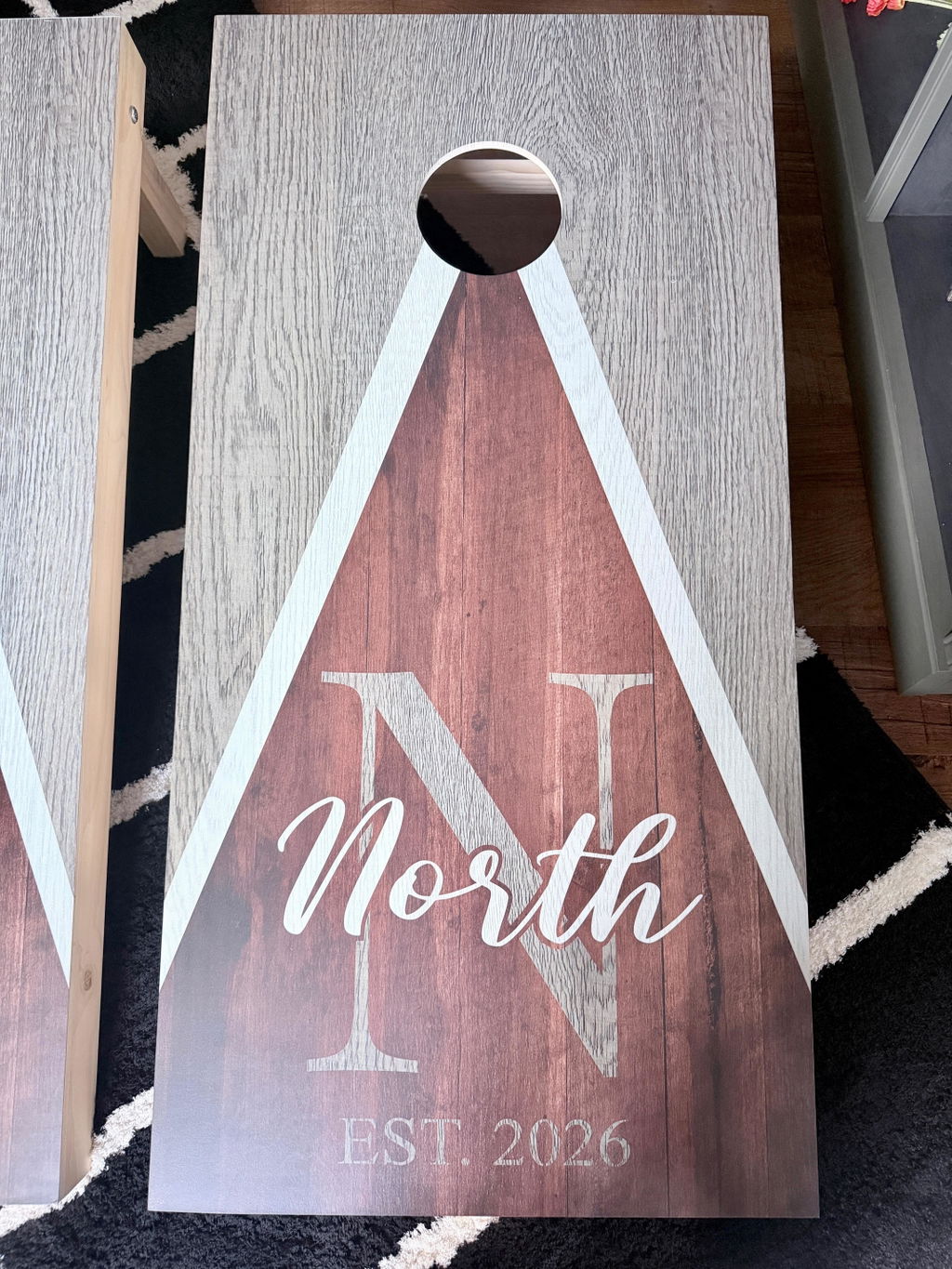
Cornhole has evolved from a casual backyard pastime into a highly competitive sport with national leagues, televised tournaments, and significant prize money. While the barrier to entry is low, mastering the game requires more than just showing up and tossing bags. The difference between a casual player and a tournament champion often comes down to the quality of their practice. Randomly throwing bags at the board might help with muscle memory to a degree, but deliberate, streamlined practice is what truly elevates a player's game.
Effective practice transforms the way you approach the board. It shifts the focus from simply hoping the bag goes in to understanding exactly why a throw succeeded or failed. This analytical approach allows players to make micro-adjustments in real-time, a skill that is invaluable during high-pressure matches. By structuring your training sessions and focusing on specific mechanics, mental fortitude, and strategic understanding, you can turn every practice hour into a significant step forward in your development.
Mastering the Mechanics of the Throw
A consistent throwing technique serves as the foundation of every great cornhole player. The goal is to replicate the same motion every single time, minimizing variables that could lead to errant throws. This process begins with the grip. How you hold the bag dictates its flight path and rotation. Most top players advocate for a grip that allows the bag to fly flat, maximizing the surface area that lands on the board. This "flat bag" technique increases the chances of the bag sliding straight into the hole and reduces the likelihood of it kicking off to the side upon impact.
The stance and step are equally critical components of the delivery. A stable base provides the balance necessary for a smooth release. Some players prefer a stationary stance, while others find rhythm in taking a step forward. Regardless of the preference, the key is repeatability. If you choose to step, the stride length and timing must remain identical for every throw. This synchronization between the lower body and the arm swing generates power and ensures the bag travels on the intended line.
The release point determines the arc and trajectory of the bag. Releasing the bag too early results in a high arc that may be affected by wind or bounce unpredictably upon landing. Releasing too late often causes a line drive that lacks the finesse to slide effectively. Finding the optimal release point requires focusing on the follow-through. The throwing hand should finish pointing directly at the target, ensuring that the momentum carries the bag toward the hole. Analyzing these mechanical elements during practice helps isolate issues and correct them before they become ingrained habits.
Strategic Board Positioning and Aiming
Cornhole is as much a game of strategy as it is of physical skill. Strategic board positioning involves understanding how to use the board's surface to your advantage. The center of the board is the obvious target, but the path to get there varies. Experienced players practice sliding the bag into the hole, using the slickness of the board to guide the bag home. This technique is often more forgiving than trying to land the bag directly in the hole, as it allows for a margin of error.
Defensive positioning plays a significant role in competitive matches. The concept of the "blocker" bag involves placing a bag in front of the hole to obstruct the opponent's path. Practicing this shot requires precision, as a poorly placed blocker can easily be pushed into the hole by the opponent, giving them points. Conversely, learning to navigate around an opponent's blocker is essential. This might involve throwing a curve shot or an airmail shot that drops directly into the hole without touching the board.
Adjusting aim based on board conditions is another layer of strategic practice. Humidity, temperature, and the board's finish all affect how the bag slides. A slick board requires a softer touch and a lower aiming point, allowing the bag to slide further. A sticky board demands a more aggressive throw or a higher landing spot. During practice, it is beneficial to simulate different conditions or throw on different boards to develop the adaptability needed for diverse tournament environments.
Cultivating Mental Fortitude
The mental aspect of cornhole is often what separates the good from the great. Pressure can cause muscles to tighten and focus to waver, leading to uncharacteristic mistakes. Mental preparation must be an integral part of practice. This involves visualization techniques where the player closes their eyes and vividly imagines the perfect throw, feeling the rhythm and seeing the bag enter the hole. This mental rehearsal primes the brain and body for success.
Developing a pre-shot routine helps maintain focus and manage anxiety. This routine acts as a mental trigger, signaling to the brain that it is time to perform. It could be a deep breath, a specific way of wiping the bag, or a brief pause to lock eyes on the target. Repeating this routine during practice ingrains it, providing a sense of comfort and stability during high-stress moments in a game.
Focus exercises can also be incorporated into training. This might involve throwing a set number of bags without checking the score, focusing solely on the execution of the throw. Alternatively, players can practice under simulated pressure, such as setting a goal to make a certain number of shots in a row before ending the session. Dealing with the frustration of a missed shot during practice teaches resilience, ensuring that a single error does not derail an entire match.
Implementing Advanced Practice Concepts
Advanced practice goes beyond simply throwing bags back and forth. It involves structured drills designed to target specific weaknesses and enhance strengths. One effective method involves the "Ghost" game, where a player competes against a theoretical opponent who plays at a specific skill level. For example, the Ghost might score a designated number of points per round. The player must outscore the Ghost to win, adding a competitive element to solo practice.
Another valuable concept is the isolation of specific shots. Instead of playing full rounds, a player might dedicate a session entirely to airmail shots or blocker replacements. By repeating a specific shot repeatedly, the player builds the muscle memory and confidence required to execute it in a game situation. This repetitive focus allows for rapid improvement in specific areas that might otherwise be neglected during standard gameplay.
Drills that force a player to move around the lane are also beneficial. In a real game, a player might need to step out to the side to avoid a blocker. Practicing throws from different angles and positions on the throwing pad prepares the player for these scenarios. It encourages versatility and ensures that the throwing mechanic remains consistent regardless of foot placement.
Analyzing Progress and Metrics
Tracking progress is essential for evaluating the effectiveness of practice sessions. Keeping a practice journal allows players to record specific metrics, such as the number of bags in the hole versus on the board, or the success rate of specific shots like airmails. Over time, this data reveals patterns and trends. A player might notice that their sliding accuracy has improved, but their airmail percentage has dropped. This insight directs future practice sessions to focus on the lagging skill.
Points Per Round (PPR) is a standard metric used to gauge performance. Calculating PPR during practice sessions provides a benchmark to measure against. Seeing the PPR average increase over weeks or months serves as tangible proof of improvement and a motivation to keep pushing. It also helps set realistic goals. If a player averages a certain PPR in practice, they can expect a similar performance in a tournament, helping to manage expectations and reduce pressure.
Video analysis has become an increasingly popular tool for tracking progress. Recording practice sessions allows players to review their mechanics in slow motion. This visual feedback can uncover subtle flaws in the grip, step, or release that might not be apparent in real-time. Comparing current footage with older videos highlights how the technique has evolved and confirms that changes are being implemented correctly.
Equipment Maintenance and Optimization
The condition of the equipment significantly impacts practice quality. Playing on warped boards or using damaged bags can lead to inconsistencies that hinder development. Investing in high-quality cornhole sets that meet professional standards ensures that practice conditions mirror tournament environments. Regulation boards provide a true slide and bounce, allowing players to develop a feel for how the bag reacts.
Bag maintenance is equally important. Bags can break down over time, becoming floppier and changing how they play. Rotating between multiple sets of bags ensures that they wear evenly and prevents a player from becoming too reliant on a single set that may not be legal or available in a tournament. Keeping bags clean and dry maintains their texture and grip, ensuring a consistent release.
Storage conditions also affect equipment performance. Leaving boards or bags in humid or damp environments can alter their properties. Boards can swell or warp, and bags can absorb moisture, making them heavy and sluggish. Storing equipment in a climate-controlled environment preserves its integrity. Ensuring that the playing surface is clean and free of debris before every practice session guarantees that every throw is a true representation of the player's skill.

Elevating Your Game Through Structure
Streamlining your cornhole practice is a journey of continuous improvement. It requires a shift from passive participation to active, analytical training. By honing a consistent technique, mastering strategic positioning, strengthening mental resilience, and maintaining your equipment, you build a comprehensive skillset capable of withstanding the pressures of competition. The transition from a backyard enthusiast to a competitive player does not happen overnight, but with a structured approach to practice, every throw brings you one step closer to the podium.