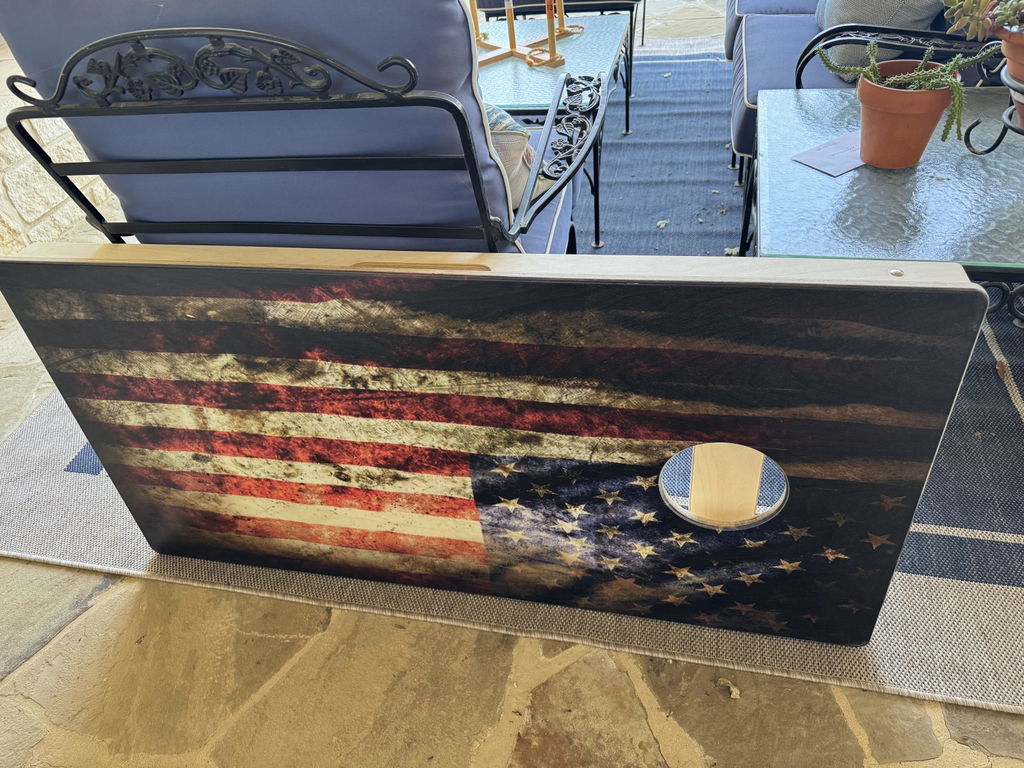
Athletic participation creates profound transformations that extend far beyond physical fitness. From the precision coordination required by a basketball team to the strategic focus needed for basketball team cornhole boards, activities generate measurable improvements in mental health, cognitive function, and social connections that last a lifetime.
Understanding the science behind sports-based wellness helps health professionals, educators, and program managers design more effective interventions. Research consistently demonstrates that regular athletic engagement produces comprehensive benefits that address multiple dimensions of human well-being simultaneously.
Physical Health Transformations Through Sports
Athletic participation triggers immediate and lasting physiological changes that enhance overall health. When we engage in sports activities, our cardiovascular system adapts by strengthening the heart muscle, improving circulation, and increasing oxygen delivery to tissues. These adaptations occur whether we're running complex plays with a basketball team or maintaining focus during precision games on cornhole boards.
Metabolic improvements represent another crucial benefit of sports participation. Regular athletic activity enhances insulin sensitivity, helping regulate blood sugar levels and reducing diabetes risk. The body's ability to utilize oxygen efficiently increases, while resting heart rate decreases—indicators of improved cardiovascular fitness that reduce chronic disease risk.
Bone density improvements from sports participation provide lasting protection against osteoporosis and fractures. Weight-bearing activities and resistance movements stimulate bone formation, creating stronger skeletal structures that support active lifestyles throughout life. Even moderate-intensity activities produce significant bone health benefits when performed consistently.
Muscle strength and endurance develop through varied athletic movements, improving functional capacity for daily activities. Sports that require diverse movement patterns enhance proprioception—our body's spatial awareness—which translates into better balance, coordination, and injury prevention.
Mental Health Enhancement Through Athletic Engagement
Sports participation produces powerful neurochemical changes that improve psychological well-being. Physical activity triggers endorphin release, creating natural mood elevation and stress reduction. This biochemical response explains why many people report feeling energized and optimistic after athletic activities.
Anxiety and depression symptoms decrease significantly with regular sports participation. The focused attention required during athletic activities creates a mindful state that interrupts negative thought patterns. Whether concentrating on shooting techniques with a basketball team or calculating trajectory angles for cornhole board placement, sports demand present-moment awareness that naturally reduces rumination.
Sleep quality improvements occur through sports participation as physical exertion helps regulate circadian rhythms. Athletes typically fall asleep faster and experience deeper, more restorative sleep stages. This improved sleep quality creates positive cycles, as adequate rest enhances both athletic performance and overall well-being.
Self-efficacy and confidence grow through sports achievement as individuals develop new skills and reach personal goals. The process of learning, practicing, and improving in athletic activities builds competence that transfers to other life areas. These psychological benefits occur regardless of skill level or competitive outcomes.
Cognitive Function Enhancement
Athletic participation produces remarkable changes in brain structure and function that enhance cognitive abilities. Regular physical activity increases brain-derived neurotrophic factor production, a protein that promotes new neuron growth and strengthens existing neural connections. This enhanced neuroplasticity improves learning capacity, memory formation, and cognitive flexibility.
Executive function skills improve through sports participation as athletic activities require rapid information processing, strategic thinking, and quick decision-making under pressure. These cognitive demands strengthen neural pathways that support academic and professional performance.
Attention and focus abilities develop through sports training as the concentration required to execute complex movements or maintain accuracy during activities played on cornhole boards trains the brain to sustain attention for extended periods. This improved attention control benefits academic performance, work productivity, and daily life activities.
Research demonstrates that students who participate in sports often show better academic performance compared to non-athletic peers. The discipline, time management skills, and goal-setting abilities developed through athletics translate directly into improved study habits and academic achievement.
Social Connection and Community Building
Sports create unique opportunities for social interaction and community development. Team sports particularly foster cooperation, communication, and mutual support among participants. The shared experience of working toward common goals builds strong social bonds that often extend beyond athletic settings.
Leadership skills develop naturally through sports participation as athletes learn to motivate teammates, make strategic decisions, and maintain composure under pressure. These leadership experiences build confidence and interpersonal skills that prove valuable in professional and personal relationships.
Cultural understanding and diversity appreciation often grow through sports participation. Athletic activities bring together people from different backgrounds, fostering mutual respect and understanding. This exposure to diversity builds empathy and social awareness that contribute to stronger, more inclusive communities.
Intergenerational connections frequently form through sports activities. Family members playing together on custom cornhole boards or multiple generations participating in basketball team activities create shared experiences that strengthen family bonds and build lasting memories.
Long-term Health and Longevity Benefits
The wellness benefits of sports participation compound over time, creating significant advantages for healthy aging. Regular physical activity throughout life maintains muscle mass, bone density, and cardiovascular health, reducing the risk of age-related decline and chronic diseases.
Cognitive protection represents another crucial long-term benefit. Research suggests that individuals who maintain regular physical activity throughout life show reduced risk of cognitive decline and dementia. The brain changes produced by athletic participation appear to create cognitive reserve that protects against age-related mental deterioration.
Social engagement through sports activities helps prevent isolation and loneliness, common problems among older adults. Continued participation in athletic activities provides ongoing social connections and a sense of purpose that contribute to emotional well-being and life satisfaction.
The discipline and healthy habits developed through sports participation often persist throughout life. Individuals who engage in regular athletic activities typically maintain better nutrition, sleep habits, and stress management practices compared to sedentary individuals.

Implementing Effective Sports-Based Wellness Programs
Successful sports-based wellness programs require careful planning and inclusive design. Programs must accommodate different skill levels, physical abilities, and interests to maximize participation and benefits. Offering diverse activities—from competitive team sports to recreational games played on quality cornhole boards—ensures that everyone can find enjoyable ways to stay active.
Equipment quality significantly impacts program success and participant safety. Investing in high-quality materials and construction ensures positive experiences and reduces injury risk. Whether selecting basketballs for a basketball team or choosing durable cornhole boards for recreational programs, quality equipment demonstrates a commitment to the program and enhances participant satisfaction.
Regular assessment and program modification help maintain engagement and effectiveness. Gathering participant feedback, monitoring attendance, and tracking health outcomes provide valuable information for program improvement. Successful programs adapt to changing needs and preferences while maintaining focus on wellness goals.
Professional support and guidance enhance program effectiveness and safety. Qualified instructors, coaches, and health professionals provide expertise that maximizes benefits while minimizing the risk of injury. Their knowledge helps participants develop proper techniques and establish realistic, achievable goals.
Creating Sustainable Athletic Wellness Habits
Long-term success in sports-based wellness requires developing sustainable habits that accommodate changing life circumstances. Starting with activities that match current fitness levels and interests promotes adherence and reduces injury risk. Gradually increasing intensity and complexity as abilities develop ensures continued progress and motivation.
Social support systems significantly impact long-term participation in sports activities. Joining groups, finding workout partners, or participating in family activities creates accountability and enjoyment that sustain engagement over time. The social connections formed through sports often become powerful motivators for continued participation.
Variety in athletic activities prevents boredom and reduces overuse injury risk. Alternating between different sports and activities challenges the body in new ways while maintaining interest and engagement. This variety also ensures comprehensive fitness development across different physical domains.
Maximizing Your Athletic Wellness Investment
The connection between sports and well-being offers tremendous opportunities for improving quality of life at any age or fitness level. Whether organizing activities for a basketball team, setting up cornhole boards for family gatherings, or developing comprehensive wellness programs, remember that consistent participation matters more than perfect performance.
Focus on enjoyment and social connection rather than competition, as these factors promote long-term participation and sustained benefits. The most effective athletic wellness programs prioritize fun and inclusivity while maintaining quality standards that ensure safety and satisfaction.
At Skip's Garage, we understand that quality equipment enhances the sports experience and supports your wellness journey. Our custom cornhole boards are constructed with high-quality materials and attention to detail that ensures years of enjoyable play. We guarantee your satisfaction because we believe everyone deserves equipment that supports their health and happiness goals.
The science behind sports and well-being reveals that athletic participation creates comprehensive benefits that enhance physical health, mental clarity, social connections, and life satisfaction. By embracing sports activities as essential components of wellness programs, we invest in present happiness and future health outcomes that extend far beyond the playing field.