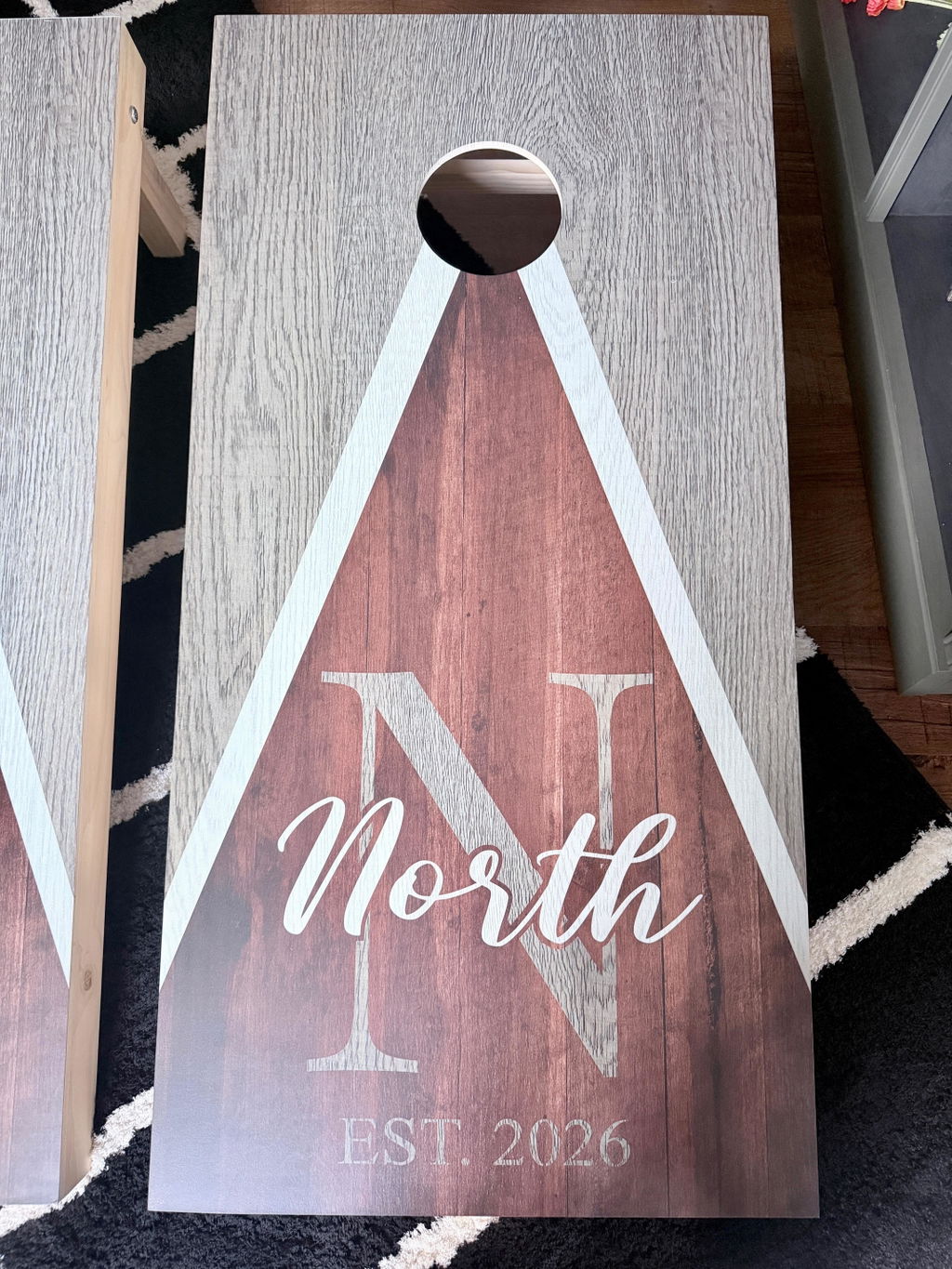
You have just built a sturdy set of cornhole boards, and they look ready for the backyard. However, tossing a bean bag onto raw plywood usually results in a disappointing thud rather than a satisfying slide. The difference between a novice project and a professional-grade set lies entirely in the finishing process.
Achieving that perfect balance of slide and grip requires more than just a coat of paint. It demands a specific sequence of sanding and sealing to create a surface that allows bags to glide without sliding off the back edge entirely. This guide walks you through the essential steps of sanding and finishing your boards to ensure they play well and last for years.
The Critical Importance of Sanding
Sanding is the foundation of a high-quality cornhole board. Plywood sheets from the hardware store might look smooth, but they are full of microscopic peaks and valleys. If you apply finish directly to raw wood, the grain will raise as it absorbs the liquid, creating a texture similar to sandpaper. This rough texture ruins gameplay because it causes bags to snag and stop short of the hole.
Beyond playability, sanding is vital for aesthetics and safety. A properly sanded board absorbs stain and paint evenly, preventing blotchy patches. It also removes splinters and sharp edges that could snag the fabric of your cornhole bags or injure a player's hand during transport.
A Guide to Sanding Your Boards
The sanding process should be approached in stages, moving from coarse to fine grits. You should begin with a lower grit sandpaper, such as 80 or 100-grit. This initial pass is aggressive and is designed to level out any major imperfections, glue spots, or uneven joints where the frame meets the deck.
Once the surface is level, switch to a medium grit, such as 150. This stage removes the visible scratches left by the coarse sandpaper and begins to smooth the wood significantly. You should run your hand over the board frequently to check for rough spots.
The final sanding stage involves fine-grit sandpaper, typically 220-grit. This polish pass is what gives the wood a glass-like feel. It prepares the pores of the wood to accept the finish smoothly. After you finish sanding, it is absolutely critical to remove every speck of sawdust. Use a vacuum followed by a tack cloth or a rag dampened with mineral spirits. Any dust left behind will become permanently trapped in your finish, creating a gritty surface.
Exploring Your Finishing Options
When it comes to sealing cornhole boards, polyurethane is the industry standard, but you have two distinct choices regarding the type.
Water-Based Polyurethane (Polycrylic)
Water-based finishes like Polycrylic are incredibly popular for cornhole boards. They appear milky white in the can but dry crystal clear. This is the ideal choice if you have applied decals or painted a specific design, as the clear finish will not yellow or alter the colors over time. It dries very quickly, often allowing for multiple coats in a single afternoon. The clean-up process is also much easier, requiring only soap and water.
Oil-Based Polyurethane
Oil-based polyurethane is known for its durability and richness. It adds a slight amber hue to the wood, which can look beautiful on stained boards but might discolor white paint or vinyl decals. It takes significantly longer to dry than water-based options and requires adequate ventilation due to strong fumes. However, many woodworkers prefer it for its harder, more protective shell against moisture and scratches.
Much like customized beer pong tables, cornhole boards often become the centerpiece of a backyard party, so you want them to look professional and withstand spilled drinks or humidity. Choosing a high-quality marine varnish is another option if the boards will live outside permanently, though this is less common due to the high cost and long curing times.

How to Apply Finish for the Perfect Slide
Applying the finish requires patience and the right technique to avoid brush marks or bubbles. Using a high-quality synthetic bristle brush or a foam roller helps achieve a smooth application. You should apply the first coat in long, even strokes, following the direction of the wood grain.
Allow the first coat to dry completely according to the manufacturer's instructions. Once dry, the wood grain may raise slightly, making the board feel rough again. This is normal. Take your 320-grit or higher sandpaper and very lightly scuff the entire surface. This knocks down the raised grain without removing the finish. Wipe away the dust thoroughly before proceeding.
Repeat this process for at least three to five coats. The goal is to build up a thick, protective layer that fills the wood grain completely. The final coat should not be sanded, as you want that pristine, glossy look. If you prefer a faster board, add more coats of gloss poly; if you want a board with more grip, fewer coats or a satin finish can help reduce the slide.
Prolonging the Life of Your Boards
Even with a durable finish, cornhole boards require care to maintain their condition. Moisture is the enemy of plywood. If boards are left out in the rain or stored in a damp shed, the wood can warp, causing the layers of plywood to delaminate.
Store your boards indoors or in a dry garage when not in use. If they do get dirty from grass stains or spilled beverages, wipe them down with a damp cloth and mild detergent. Avoid harsh chemical cleaners that could strip the sheen from the polyurethane. Inspect the boards periodically for deep scratches or chips in the finish. If you spot damage, a light sanding and a fresh topcoat on the affected area can prevent moisture from penetrating the wood.
Ready for the First Toss
Building your own cornhole set is a rewarding project, but the finishing touches are what determine its quality. By taking the time to sand properly and apply multiple coats of a high-quality sealer, you transform rough lumber into a professional-grade playing surface. A smooth, durable finish ensures your bags slide consistently and your boards remain the highlight of your outdoor gatherings for years to come.