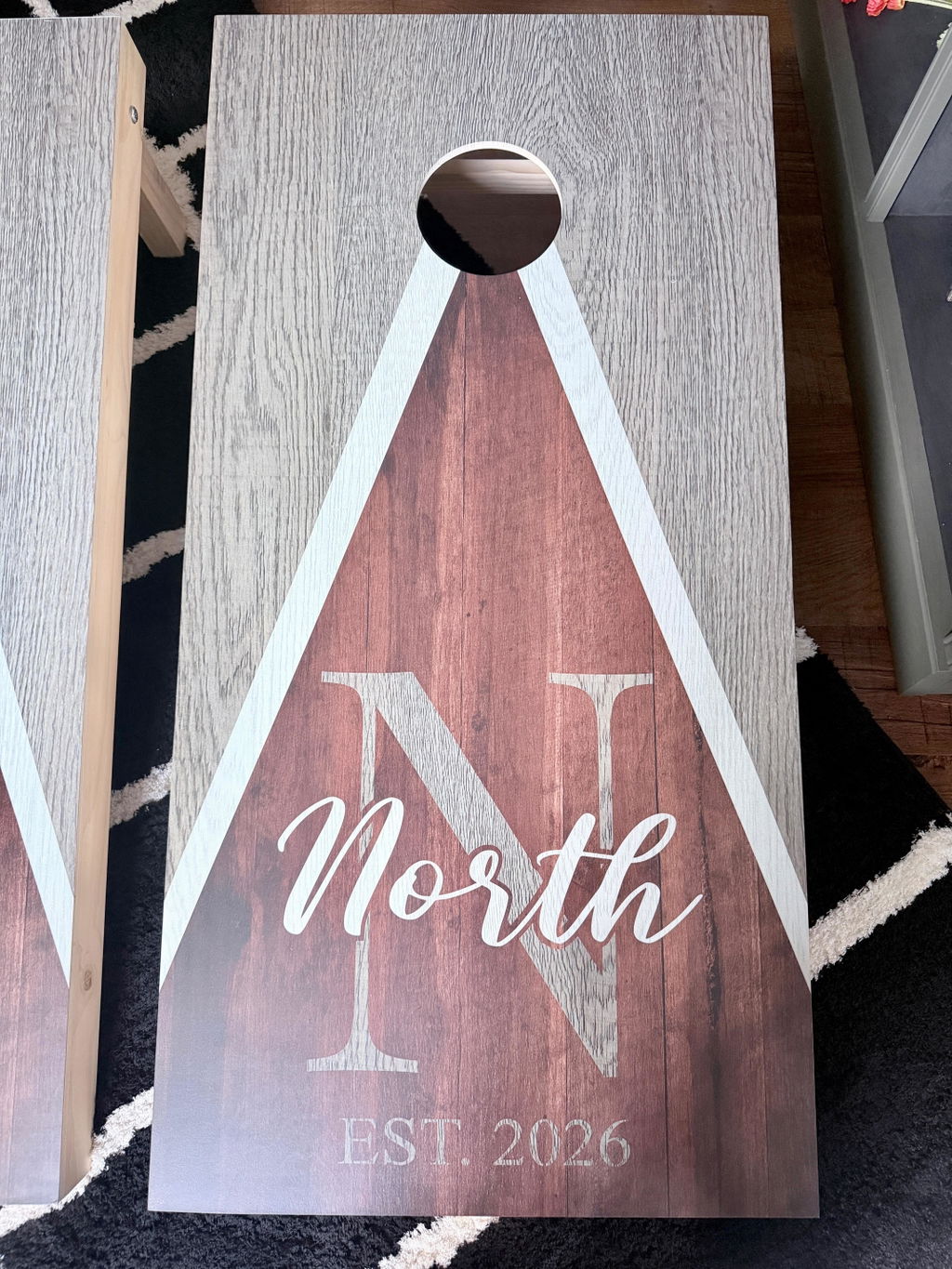
Cornhole has exploded in popularity over the last decade, transforming from a simple backyard pastime into a competitive sport with televised tournaments and professional leagues. Whether you are at a tailgate party, a family barbecue, or a local brewery, you are likely to see people tossing bean bags at angled wooden platforms. The game’s appeal lies in its simplicity. Anyone can play, regardless of age or athletic ability, yet it offers enough depth for serious competitors to master strategy and technique.
While casual games are fun regardless of the equipment, serious players and enthusiasts prefer to play by the rules. Understanding official regulation dimensions ensures a fair game and prepares you for tournament play if you ever decide to go pro. Using the correct specs also makes the game more consistent and enjoyable, as muscle memory developed on a regulation board translates perfectly to any other compliant setup.
Official Cornhole Dimensions: Board Size and Hole Diameter
The most critical aspect of the game is the board itself. To meet official standards set by major organizations like the American Cornhole League (ACL) or American Cornhole Organization (ACO), specific measurements must be followed. A regulation cornhole board surface must measure forty-eight inches in length and twenty-four inches in width. This rectangular surface provides the standard playing area for competitors to aim for.
Equally important is the hole. The target hole must be six inches in diameter, centered nine inches from the top of the board and twelve inches from each side edge. The placement is precise to ensure consistency across all competitive boards. Furthermore, the front of the board should sit roughly three to four inches off the ground, while the back of the board must be raised exactly twelve inches off the ground. This creates the specific angle necessary for the bags to slide correctly without sliding off too easily.
Cornhole Board Material and Construction Guidelines
While dimensions are paramount, the material used impacts gameplay significantly. Regulation boards are typically constructed from half-inch or three-quarter-inch birch or maple plywood. These hardwoods provide a smooth, consistent playing surface that minimizes bounce when the bag lands. Unlike plastic or cheaper composite woods, high-quality plywood ensures the bag slides properly and the board remains durable over years of play.
The finish of the board also matters. The playing surface should be sanded to a very smooth texture and finished with varnish or high-gloss paint. This allows the bags to slide freely but not so fast that they fly off the back. The sides and frame should be sturdy enough to prevent the board from bouncing or shifting when hit by a bag. Crossbeams or extra bracing underneath the playing surface are often added to reduce bounce and maintain the board’s structural integrity during intense matches.
Cornhole Bag Regulations: Size, Weight, and Material
A regulation game requires regulation equipment, and that extends to the bags themselves. Official cornhole bags must be square, measuring six inches by six inches. They should weigh between fifteen and sixteen ounces. This weight allows for the perfect toss, giving players control over the arc and slide of the bag.
Traditionally, bags were filled with corn feed, which created a fine dust over time that coated the board. Today, however, most competitive bags are filled with resin pellets. Resin is more durable, weather-resistant, and provides a consistent weight and feel that does not degrade like organic corn. The fabric is usually a durable duck canvas, though professional bags often feature a "sticky" side made of suede or synthetic fabric and a "slick" side made of polyester, allowing players to choose between blocking a hole or sliding a bag in.
Setting Up Your Cornhole Court: Distance and Spacing
Once you have your boards and bags, setting up the court correctly is the next step. For adult play, the front edges of the two opposing boards must be exactly twenty-seven feet apart. This distance creates the standard challenge level for the game. For junior players, this distance is often reduced to twenty-one feet or less to accommodate younger throwers.
The pitching box is the area directly to the left and right of each board. Players must stand within this designated three-foot by four-foot area when tossing their bags. Stepping past the front edge of the board constitutes a foul, similar to a foot fault in bowling or tennis. Ensuring plenty of clearance around the court is also wise, as errant throws can bounce or roll away from the play area.
Tips for Building Your Own Cornhole Boards
Building your own set can be a rewarding project and allows you to create custom corn hole boards that reflect your personality or favorite team. When cutting the hole, using a six-inch hole saw attached to a drill is the most effective way to ensure a perfect circle. If using a jigsaw, drawing a precise compass circle beforehand is essential to avoid jagged edges that could catch a bag.
Sanding is crucial. You want the top surface to be glass-smooth before applying any paint or sealant. Multiple coats of polycrylic or polyurethane are recommended to protect the wood and provide the right amount of slide. Additionally, rounding the edges and corners of the board prevents wear and tear on the bags and makes carrying the heavy boards much more comfortable.

Common Mistakes to Avoid When Building a Cornhole Set
One frequent mistake beginners make is using thin plywood for the top surface. Quarter-inch plywood is too flimsy and causes the bags to bounce excessively, ruining the flow of the game. Stick to at least half-inch thickness to ensure a solid landing. Another common error is failing to recess the hardware. Screws or carriage bolts on the surface of the board will interfere with the slide of the bag and can damage the fabric. All fasteners should be countersunk or flush with the wood.
Ignoring the finish is another pitfall. A board that is too sticky will cause bags to stop short, while a board that is too slick will make scoring nearly impossible. Testing the slide as you apply finish coats can help you find the sweet spot. Lastly, ensure the legs are sturdy and angled correctly so the back of the board sits firmly at the required twelve-inch height without wobbling.
Enjoying Cornhole with the Right Setup
Playing cornhole on a regulation setup changes the experience from a casual distraction to a genuine contest of skill. Whether you buy a professional set or build your own boards, adhering to official dimensions ensures fair play and consistency. From the weight of the bags to the angle of the plywood, every detail contributes to the satisfaction of sinking that perfect airmail shot. So grab your tape measure, set up your court, and enjoy the game the way it was meant to be played.