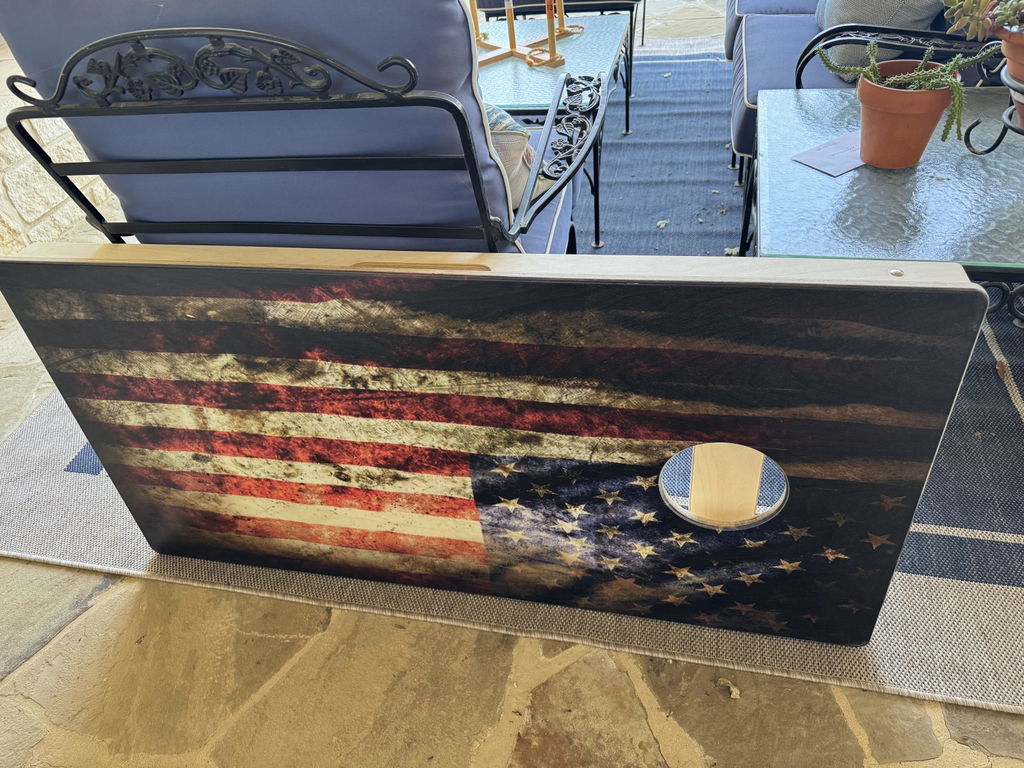
Cornhole is more than just a backyard pastime; it’s a sport that has carved out its niche among competitors, enthusiasts, and communities across the United States. While the game’s fundamentals stay the same regardless of location, regional styles and interpretations of the rules can create diverse, unique gameplay experiences. Whether you’re a seasoned competitive player or a recreational league enthusiast, exploring these regional differences reveals the depth and personality of cornhole culture.
For those crafting their first set of custom basketball team cornhole boards or preparing to travel for tournaments, understanding these nuances can make all the difference between a successful game and a frustrating misunderstanding.
The Cornerstone of Competitive Cornhole
At its core, competitive cornhole thrives on consistency, skill, and precision. However, despite the standardization brought by organizations like the American Cornhole League (ACL) and the American Cornhole Organization (ACO), regional variations still play a significant role. For instance, many players in the Midwest operate under an informal honor system when measuring distances. Coastal players, by contrast, might rely more heavily on tape measures or string setups to determine exact board alignment.
Understanding these subtle cultural tendencies can help you prepare for tournaments where such habits might come into play. More importantly, investing in high-quality equipment, like tournament-ready cornhole boards, ensures that your setup meets any potential league requirements, no matter where you play.
Regional Variations in Rules
When it comes to cornhole, the rules may bend slightly depending on where you play. This variability often complements the laid-back yet competitive nature of the game. For example, in the Southeast, games tend to stick closely to official ACL regulations. However, in New England, house rules might introduce additional scoring elements, such as bonus points for swishing a bag into the hole without it touching the board.
Similarly, Midwestern leagues often host matches in more casual environments, which might lead to lenient foul line policies. These adaptations are not typically written down but passed along through gameplay and shared culture. If you’re organizing a regional tournament, clearly communicating any local twists on the rulebook could be the key to keeping your event smooth and enjoyable.
The Influence of Playing Styles
Beyond formal rules, regional playing styles can provide insight into the subtleties of cornhole strategy. Southern players often focus on the “slide” technique, using bags with a slick side to aim for the hole after a controlled landing. On the West Coast, a more aggressive “airmail” approach dominates, with players perfecting their ability to sink the bag directly into the hole.
These stylistic differences aren’t purely aesthetic. They’re deeply connected to the kinds of boards and bags used in each region. For example, slicker board surfaces favored by some regions could lead to a greater emphasis on precision play versus defensive blocking. This is why finding the right cornhole gear, such as basketball team cornhole boards with customizable surfaces, becomes just as essential as practicing your form.
The Role of Community in Cornhole Culture
One of cornhole’s greatest strengths lies in its ability to bring communities together, no matter the latitude or longitude. Across the country, local clubs and leagues support not just the game but also the players who commit to it. From small-town rec centers hosting weekly tournaments to urban leagues with branded team shirts, the communal side of cornhole is alive and thriving.
Regional traditions are often passed down in ways that showcase a city's personality. Think Texan tournaments paired with barbecue or Midwest leagues combining cornhole with craft beer tastings. These traditions contribute to the uniqueness of playing cornhole in different areas while fostering camaraderie among players. If you're a social organizer or league captain, these elements could help your league thrive within its specific cultural context.

Basketball Team Cornhole Boards as a Regional Hit
Adding a personal touch to your cornhole boards is another way regions are shaping the game. One local adaptation that has gained significant traction is the rise of team-themed boards. Basketball team cornhole boards, for example, have seen a surge in popularity as they allow fans to blend their love for both sports. These kinds of boards typically reflect regional allegiances to local or college basketball teams, and they’re a must-have during tournaments or even casual games on a school campus.
Not any board will do for competitive play, though. Custom boards should be crafted with precision and durability in mind to withstand regional tournaments' varying environments. High-quality craftsmanship ensures your boards not only look great but perform exceptionally well regardless of location and weather conditions.
Honoring Regional Diversity in Cornhole
Regional rules and styles do more than create excitement for players; they add depth and flavor to the broader culture of cornhole. Paying attention to these unique characteristics allows tournament organizers, league captains, and even casual enthusiasts to make more informed decisions while participating in the game. Whether you're wrapping up a set of basketball team cornhole boards or gearing up for your next cross-country tournament, understanding these regional nuances celebrates the