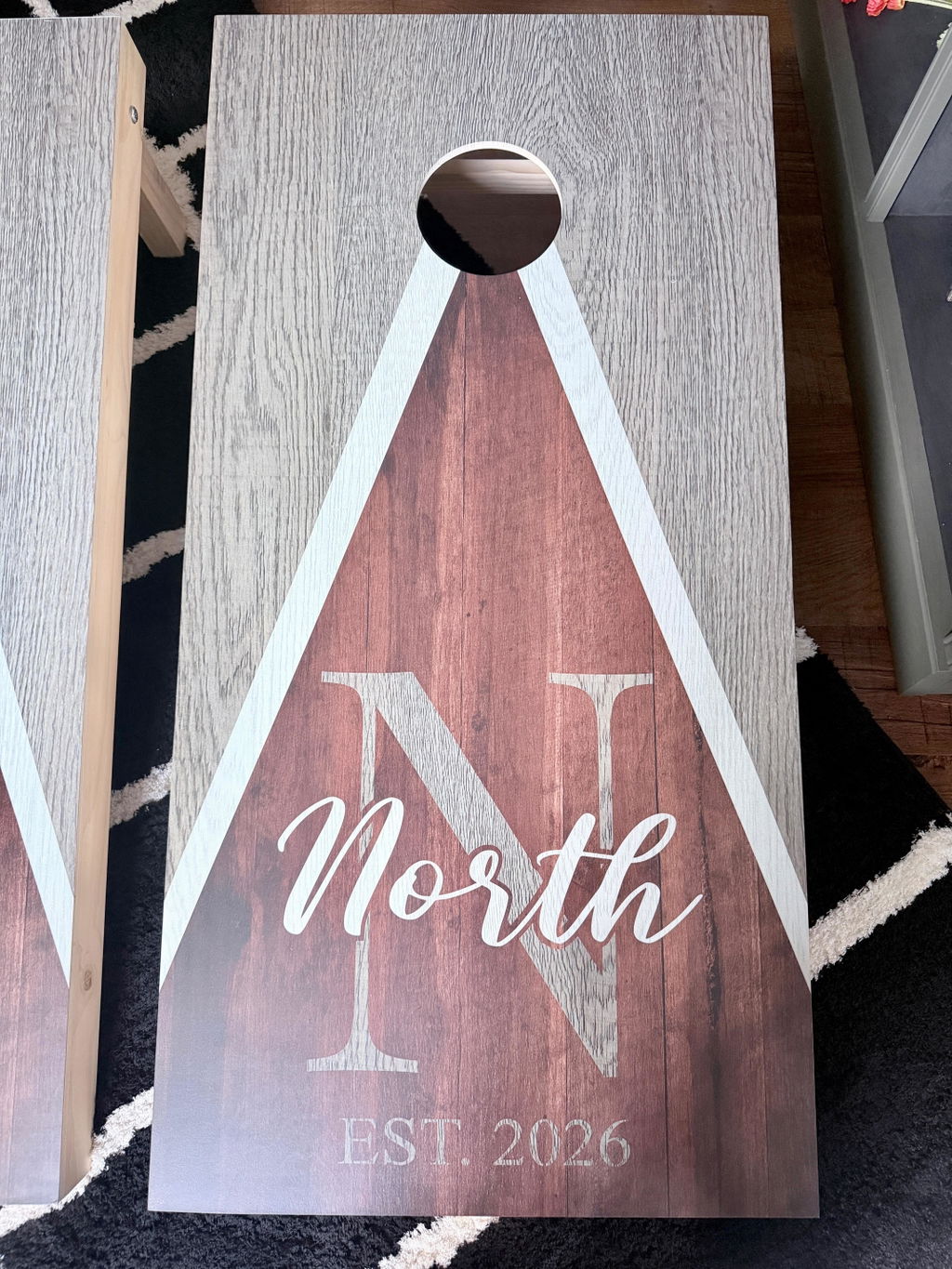
Cornhole has officially graduated from the backyard barbecue. This classic bean bag toss game, once anchored to heavy wooden frames and permanent lawn spots, has found its legs. It is now a staple for campers, beachgoers, and road-trippers who want to bring competitive fun wherever they roam. The rise of portable cornhole boards has changed the way enthusiasts play, transforming a stationary lawn game into a mobile essential.
Traveling with traditional cornhole sets is often a logistical nightmare due to their weight and bulk. Regulation boards are typically made of thick plywood and 2x4s, making them difficult to squeeze into a packed trunk or carry down a sandy trail. Portable options solve this problem by utilizing lightweight materials and clever, collapsible designs. This guide explores why you should consider adding a travel-friendly set to your gear list and how to choose the right one for your adventures.
Why You Should Travel with a Cornhole Set
The primary advantage of a portable cornhole set is obviously the weight reduction. Standard sets can weigh up to 50 pounds, which is hardly ideal for a hike to the perfect picnic spot. Travel sets often use materials such as aluminum, PVC, or specialized fabrics to significantly reduce weight. Some ultra-lightweight versions weigh less than 10 pounds, so anyone in the family can carry them from the car to the campsite without difficulty.
Space efficiency is another massive benefit. Whether you are packing a sedan for a weekend getaway or organizing an RV for a cross-country tour, space is always at a premium. Portable boards often fold in half, telescope down, or collapse into a carrying bag much like a camping chair. This compact nature ensures you never have to leave the fun behind because the car is too full. Furthermore, having a game on hand instantly upgrades any social gathering. It provides an easy icebreaker at campgrounds and keeps kids entertained during downtime at the beach.
What to Look for in a Travel Board:
Choosing the right board involves balancing portability with playability. Material is the most critical factor. Aluminum frames provide a sturdy playing surface that replicates the bounce of wood without the weight. Fabric boards are the lightest option available, but they often lack the satisfying "thud" and slide of a traditional board. You must decide whether you are willing to sacrifice some game feel for maximum portability, or prefer a slightly heavier board that plays more like a regulation set.
Size is another important consideration. While regulation boards measure 2 feet by 4 feet, many travel boards scale this down to a "tailgate size" of 2 feet by 3 feet. This smaller footprint is easier to transport but slightly changes the game's difficulty. You should also check the stability of the legs and frame. A board that bounces excessively when a bag hits it can be frustrating to play on. Look for sets with cross-beams or sturdy locking mechanisms that keep the surface rigid during play.
Design and aesthetics also play a role in the selection process. Many players want their boards to reflect their personality or interests. You can find boards with sports team logos, custom graphics, or classic patterns. Understanding proper cornhole distances is also essential for gameplay, as the regulation spacing between boards is typically 27 feet from front edge to front edge. However, shorter distances are often used for casual or travel setups to suit limited space.

Top Styles of Portable Boards on the Market
Collapsible fabric targets are the ultimate choice for hikers and those with very limited space. These function similarly to pop-up tents, using a tension wire frame to hold their shape. They are incredibly light and can often fit inside a standard backpack. While the surface can be somewhat bouncy, the convenience makes them a top contender for casual play in remote locations.
PVC-framed sets offer a middle ground between fabric and rigid materials. These sets use a tubular plastic frame with a fabric surface stretched tight across it. They offer better tension than pop-up styles, providing a better slide for the bags. They remain lightweight and water-resistant, making them excellent choices for lakeside or poolside gaming.
Aluminum-framed boards with composite surfaces are the closest you will get to a regulation feel in a portable package. These boards usually fold in half like a suitcase, with the bags stored inside. They are heavier than fabric options but are durable and provide a consistent playing experience. If you are serious about your tossing technique and want a board that feels substantial, this style is likely your best bet.
Caring for Your Travel Set
Proper maintenance ensures your game remains playable for years. Moisture is the enemy of most cornhole boards, even those designed for outdoor use. Always wipe down your boards after use, especially if you have been playing on wet grass or sand. If your set uses fabric, ensure it is completely dry before folding it up to prevent mold and mildew growth.
Storage is equally important. Keep your set in its carrying case when not in use to protect it from scratches and sun damage. Extreme heat can warp composite materials or weaken fabrics, so avoid leaving the set in a hot car for extended periods. Periodically check the frame joints and locking mechanisms to ensure everything is tight and functioning correctly. A little preventative care goes a long way in preserving the life of your equipment.
Take the Game on the Road
Investing in a portable cornhole set opens up a world of entertainment possibilities. No longer confined to the backyard, your tournaments can happen against the backdrop of mountains, oceans, or forests. By prioritizing lightweight materials and smart design, you can enjoy the competitive spirit of cornhole wherever your travels take you. Whether you choose a simple pop-up set or a sturdy aluminum frame, the memories made tossing bags with friends and family are well worth the purchase.