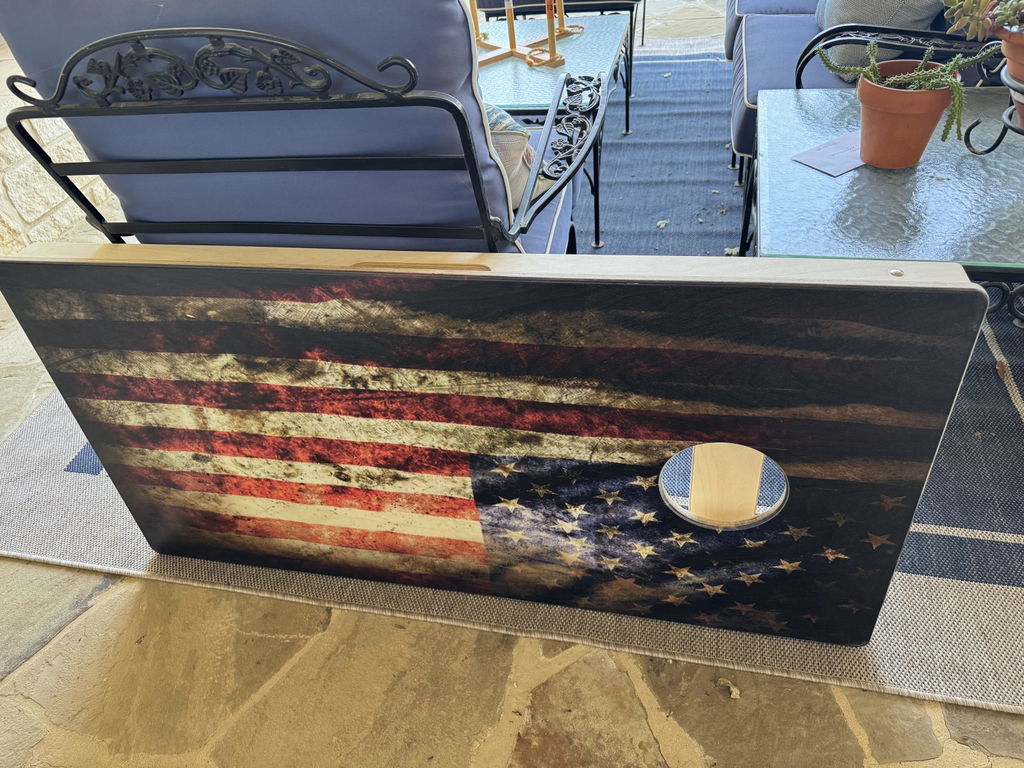
Cornhole isn’t just a game played at backyard parties or weekend tailgates; it’s also a skillful sport that requires focus, precision, and practice. The good news is you don’t need a partner to refine your cornhole game. Whether you aspire to dominate local league competitions or simply want to impress your friends, practicing solo can take your abilities to the next level.
This post will guide you on how to effectively practice cornhole by yourself, improve your throwing techniques, and enhance your overall performance. From understanding the ideal cornhole board distance to refining your aim, you’ll learn how to turn solo sessions into productive workouts.
Why Practice Cornhole Solo?
Practicing cornhole solo offers unique benefits that you might not get when playing with others. For one, focusing entirely on your technique without the distractions of a game environment allows you to hone in on movements and refine skills efficiently. Solo practice also gives you complete control over your pace, allowing you to experiment with new throws, grips, and stances without time pressure. Another significant benefit is consistency; practicing alone makes it easier to stick to a regular schedule and avoid waiting for partners to join you.
Additionally, solo cornhole practice is the perfect workout for people who crave an active break from desk jobs or remote work, offering an engaging way to stretch and stay active. It’s also an excellent mental exercise as the game sharpens focus, strategy, and muscle memory.
Setting Up the Perfect Solo Session
Before you even grab your bags, make sure you set up your playing space correctly. Starting with the cornhole board distance is crucial. Regulation play requires boards to be placed 27 feet apart from the fronts of each board. For beginners, you can adjust this distance until you become comfortable, and then gradually work your way to the full 27 feet.
Ensure each board is placed on a flat surface for accurate play. Whether you’re in your backyard, your garage, or at a local park, make sure there is good light to fully see the board and the arc of your throws. If you’re serious about improving, chalk the foul line near your throwing area to simulate competitive regulations. Standard practice eliminates bad habits and forms the foundation for competitive performance.
Drilling Your Technique
When practicing solo, focus on breaking your throws into individual components. Start with your grip on the bag. Everyone has a different preference, but experiment with folded or flat grips to see what feels natural while retaining control. Aim for consistency in how you hold the bag so you repeat the same motion effortlessly.
Once you’ve set up your grip, turn your attention to your stance. Some players prefer a wide, balanced stance for stability, while others benefit from a narrower stance that prioritizes mobility. Experiment with both methods to find your sweet spot. From here, focus on your arm swing and release technique. Pay particular attention to your wrist movement at the end of each throw, as this is where a flat bag spin or a perfect arc comes to life.
Solo time also allows you to work on unique weak points. For example, if you’re struggling with bag spin, focus entirely on throws that generate rotation. If you feel your accuracy is lacking, create small targets on the board (with painter’s tape or chalk) and aim specifically for those areas. Repetition and refinement are key. By working solo, you can put in the hours needed to turn small adjustments into game-day advantages.
Building Consistency and Accuracy
One of the most important aspects of cornhole is consistency. Solo practice makes it easier to measure and develop consistent skills. Start with simple drills like throwing every bag straight down the center of the board. Once you have that settled, incorporate diagonal tosses to mimic real-life scenarios where you need to displace an opponent’s bag.
Practicing different throws is another technique to elevate your game. Flattening the bag for slide shots or perfecting your air mail throw (landing directly in the hole) will make you a versatile player. Don’t shy away from repetitive drills; repeating the same motion dozens of times is how you form muscle memory that becomes second nature in competitions.
Combining Fitness with Cornhole Practice
Solo cornhole isn’t just about skill refinement. For those looking for a creative way to combine fitness with sport, cornhole practice can double as an engaging workout. Running between boards as you retrieve your bags adds a cardio element, especially if you throw in a few lunges or squats while picking up the bags.
If you prefer to stay stationary, consider incorporating your lower body into your throws by alternating between dominant and non-dominant arms, forcing you to stabilize through your torso and legs. It’s small changes like this that make your physical and mental flexibility flourish over time.
For remote workers or stay-at-home parents, these sessions can become energizing breaks that reinvigorate your focus and add physical activity into a busy day.
Tracking Your Progress
How do you know your solo sessions are effective? Keeping track of your results will help you gauge improvement and stay motivated. Set realistic goals at the start of each session. For instance, you might aim to land 10 out of 20 throws on the board or successfully sink three air mail shots in a row. Use a notebook or mobile app to record these benchmarks.
You might also find it useful to film yourself practicing. Reviewing footage will help you identify what you’re doing well and where there’s room for improvement. Watching yourself in action can provide insights you might not notice in the moment, like whether you’re releasing the bag too early or moving your torso unnecessarily during throws.
Building Confidence for Competitive Play
One underestimated benefit of solo practice is the confidence it builds for competitive environments. Repetition in controlled settings allows your throws to become automatic, letting you focus on strategy and reading the game when you’re in a match.
Solo cornhole gives you the room to experiment, adapt, and prepare not only for the technical aspects of competitive play but also for the mental game. Whether it’s nailing a clutch throw under pressure or mastering tougher techniques like spin shots, the groundwork you lay by yourself will shine in any league or tournament setting.
Elevate Your Game Today
Practicing cornhole solo is much more than just tossing bags at a board. It’s an opportunity to grow as a player, build your confidence, and enjoy some much-needed “me-time.” By setting up properly, refining your grip and stance, and working through targeted drills, you’ll see noticeable improvements in no time.
If you’re committed to reaching your full potential, consider upgrading your setup for consistent and professional practice sessions. Quality boards, premium bags, and a regulation setup can make every solo practice feel like a championship prep. No matter where you are in your cornhole journey, practicing solo is the path to better skills and smarter play.