Cornhole has evolved from a simple backyard pastime to one of America's most beloved outdoor games. This comprehensive guide will walk you through everything you need to know to master this exciting sport, from understanding the basics to developing winning strategies that will have you dominating your next family gathering or tournament.
Understanding the Fundamentals of Cornhole
Cornhole, also known as bean bag toss, is a lawn game that combines skill, strategy, and a bit of luck. The objective is simple: toss fabric bags filled with corn kernels onto a raised platform with a hole in the far end. While the concept seems straightforward, mastering the game requires understanding its nuances and developing proper technique.
The game consists of two raised platforms positioned twenty-seven feet apart, with each platform featuring a six-inch hole located near the back edge. Players take turns tossing four bags toward the opposite platform, earning points based on where their bags land. A bag that goes through the hole earns three points, while bags that remain on the platform earn one point each.
What makes cornhole particularly appealing is its accessibility. Players of all ages and skill levels can enjoy the game, making it perfect for family reunions, tailgating parties, and community events. The learning curve is gentle enough for beginners to have fun immediately, yet the skill ceiling is high enough to keep experienced players engaged for years.
Essential Equipment and Setup Guidelines
Quality equipment forms the foundation of any good cornhole experience. Official cornhole boards measure two feet by four feet, with the playing surface angled at a slight incline. The hole should be six inches in diameter and positioned nine inches from the back edge of the board.
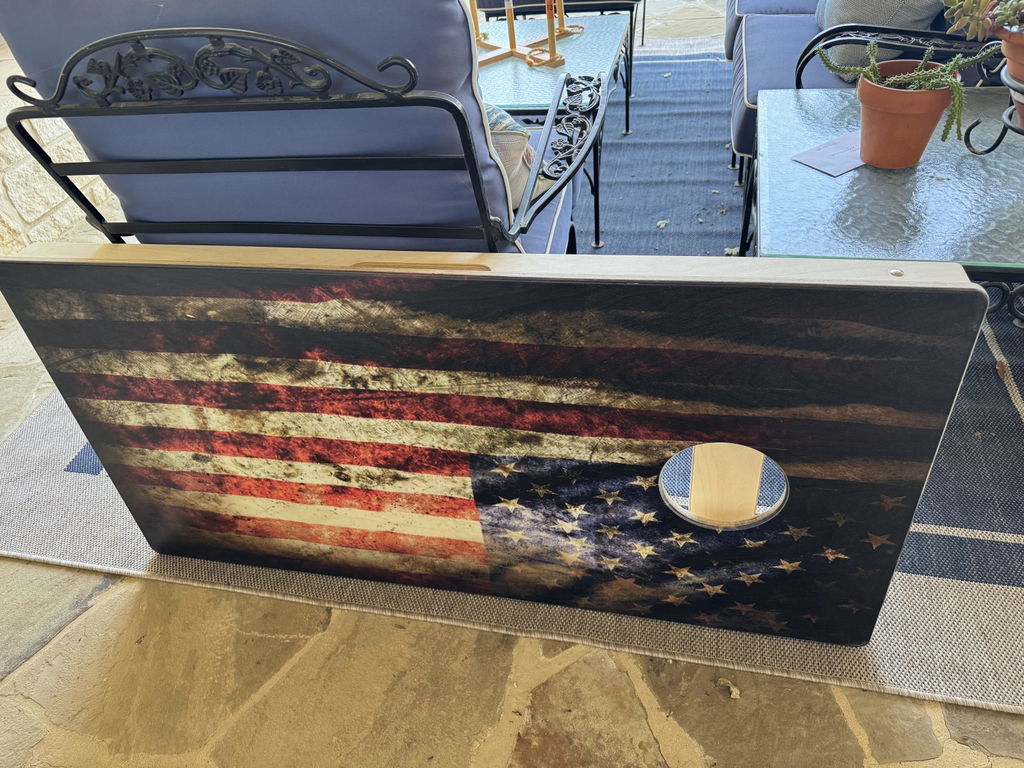
When selecting cornhole boards, custom designs can add personality to your game while maintaining official specifications. Many players choose custom corn hole game sets that reflect their favorite teams, personal interests, or family themes. Quality boards are typically constructed from birch plywood or similar hardwood, ensuring durability and consistent playing characteristics.
The bags themselves are equally important. Official cornhole bags weigh between fourteen and sixteen ounces and measure six inches square. Traditional bags are filled with corn kernels, though many modern versions use synthetic materials that provide consistent weight and feel while resisting moisture and pests.
Proper setup is crucial for fair play and safety. The front edges of the boards should be exactly twenty-seven feet apart, with the boards parallel to each other. The playing surface should be level, and there should be adequate space around the boards for players to move freely. Most recreational players find that a slightly shorter distance works well for younger players or those just learning the game.
Mastering Your Throwing Technique
Developing consistent throwing technique is the key to cornhole success. The underhand toss is the standard and most effective method, allowing for better control and accuracy than overhand throws. Start by positioning yourself behind the front edge of your board, with your feet shoulder-width apart for stability.
The grip is fundamental to accurate throwing. Hold the bag with your thumb on top and your fingers supporting the bottom, allowing the bag to rest comfortably in your palm. Some players prefer to grip the bag by one corner, while others hold it flat across their palm. Experiment with different grips to find what feels most natural and provides the best control.
Your throwing motion should be smooth and consistent. Begin with your arm extended behind you, then bring it forward in a controlled arc. Release the bag when your arm is pointing toward your target, following through with your wrist to impart the desired spin and trajectory. The bag should have a slight arc and gentle rotation, allowing it to land softly on the board rather than bouncing off.
Practice different throwing styles to develop versatility. The flat toss keeps the bag level throughout its flight, making it ideal for landing on the board and staying put. The arcing toss creates more height and allows the bag to drop more gently onto the board. The spinning toss imparts rotation that can help the bag slide up the board or even into the hole.
Scoring Systems and Game Variations
Understanding the scoring system is essential for competitive play. In traditional cornhole, bags that go through the hole earn three points, while bags that remain on the board earn one point. However, cornhole uses a cancellation scoring system, meaning only one team can score points in each round.
After both teams have thrown all their bags, calculate the points for each team. The team with the higher score earns the difference between the two scores. For example, if Team A scores five points and Team B scores two points, Team A earns three points for that round. Games are typically played to twenty-one points, and a team must win by exactly two points.
Several game variations can add excitement and challenge to your cornhole experience. Tournament-style play often uses a double-elimination bracket system, while casual games might employ a round-robin format where every team plays every other team. Some players enjoy "speed cornhole," where teams have a limited time to throw all their bags, adding pressure and excitement to each round.
Team formats can vary as well. Traditional cornhole is played with two teams of two players each, with teammates standing at opposite ends of the playing area. Singles play features one player at each end, while larger groups might rotate players or create multiple teams competing simultaneously.

Advanced Strategies and Mental Game
As your skills develop, strategic thinking becomes increasingly important. Board positioning is crucial - sometimes the best play is not to aim for the hole but to position your bags to block your opponent's shots or to set up better opportunities for your teammates.
Defensive play can be just as important as offensive scoring. Placing bags strategically on the board can create barriers that make it difficult for opponents to score. This "cornhole defense" requires understanding angles and trajectories, as well as anticipating your opponent's likely responses.
The mental aspect of cornhole is often underestimated. Maintaining focus and composure, especially during close games, separates good players from great ones. Develop pre-throw routines that help you stay consistent and calm under pressure. Visualization techniques can help you see successful throws before you make them, improving your confidence and execution.
Reading the conditions is another advanced skill. Wind, lighting, and playing surface conditions all affect bag flight and landing. Experienced players adjust their throws based on these factors, changing their aim point, throwing speed, or bag spin to compensate for environmental conditions.
Building Skills Through Practice and Competition
Consistent practice is the fastest way to improve your cornhole game. Set up regular practice sessions focusing on different aspects of your game. Spend time working on accuracy by aiming for specific spots on the board, then practice consistency by attempting to repeat the same throw multiple times.
Create practice games that simulate competitive situations. Practice throwing under pressure by setting specific goals or time limits. Work on your comeback ability by starting games with a point deficit, forcing yourself to be aggressive and accurate when it matters most.
Joining local cornhole leagues or tournaments provides valuable competitive experience and helps you learn from other players. Many communities have recreational leagues that welcome beginners, while more competitive players can find tournaments that offer challenging competition and the opportunity to earn rankings or prizes.
Video analysis can accelerate your improvement. Record yourself throwing from different angles, then review the footage to identify areas for improvement. Compare your technique to that of skilled players to identify differences and areas for development.
Choosing Quality Equipment for Long-Term Success
Investing in quality equipment pays dividends over time. Well-constructed cornhole boards provide consistent playing characteristics and withstand years of use. When considering cornhole boards' custom options, prioritize functionality alongside aesthetics. Look for boards with smooth, consistent surfaces, properly sized and positioned holes, and stable construction that won't wobble or shift during play.
The finish on your boards affects how bags slide and stick to the surface. Most competitive players prefer boards with a specific type of finish that allows bags to slide smoothly while providing enough grip to prevent excessive bouncing. Some custom corn hole game sets offer specialized finishes designed for optimal playing characteristics.
Quality bags are equally important for consistent play. Look for bags with uniform weight and construction, durable stitching, and appropriate fill material. Many serious players own multiple sets of bags for different conditions or playing styles.
Storage and transportation considerations matter if you plan to take your cornhole set to different locations. Some boards are designed to fold for easy transport, while others prioritize playing quality over portability. Consider your primary use case when selecting equipment.
The Path to Cornhole Mastery
Mastering cornhole requires dedication, practice, and the right equipment. Start with high-quality cornhole boards custom-designed to meet your needs and preferences, then commit to regular practice and ongoing learning. Focus on developing a consistent technique before attempting advanced strategies, and remember that improvement comes gradually through persistent effort.
The beauty of cornhole lies in its combination of simplicity and depth. While beginners can enjoy the game immediately, there's always room for improvement and refinement. Whether you're planning family gatherings, organizing community events, or pursuing competitive play, the skills and knowledge outlined in this guide will help you build a strong foundation for years of cornhole enjoyment.
Remember that the best custom cornhole game experience combines high-quality equipment with skilled play and good sportsmanship. Take the time to select boards and bags that will serve you well, then commit to developing your skills through regular practice and competition. With dedication and the right approach, you'll soon find yourself confidently competing at any level of cornhole play