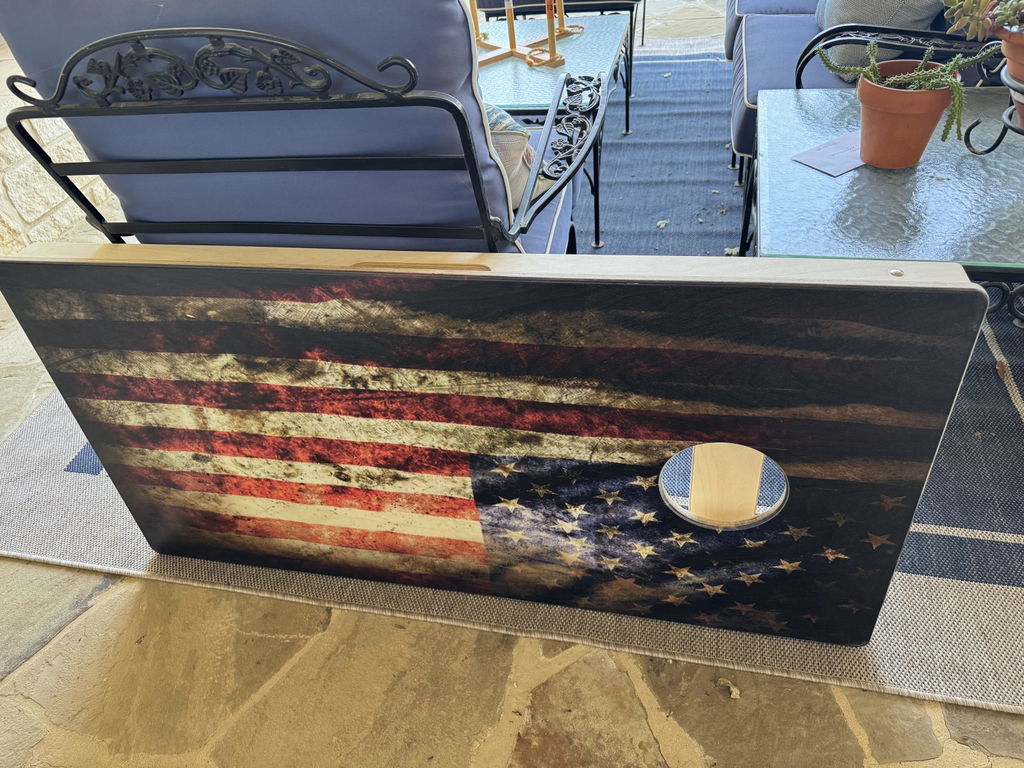
Cornhole has evolved from a simple backyard pastime into a competitive sport with organized leagues, tournaments, and professional players. Whether you're stepping up to regulation ACA cornhole boards for the first time or looking to refine your championship-level game, mastering the right strategies can transform your performance on the court.
The difference between casual throwing and strategic play lies in understanding the nuances of the game. Every toss requires consideration of board positioning, bag placement, opponent psychology, and environmental factors. This comprehensive guide will equip you with the tactical knowledge and techniques used by top players to dominate their matches.
Understanding the Foundation of Strategic Play
Strategic cornhole begins with recognizing that every throw serves a purpose beyond simply scoring points. Advanced players think several moves ahead, considering how each bag placement affects future opportunities and challenges. This forward-thinking approach separates recreational players from serious competitors.
The court becomes your chessboard, with each bag representing a strategic piece. Your throwing sequence should account for both offensive scoring opportunities and defensive positioning that limits your opponent's options. Quality ACA cornhole boards provide the consistent surface and regulation dimensions necessary for developing reliable strategies that translate across different playing venues.
Successful players develop a systematic approach to each frame, evaluating board conditions, wind factors, and opponent tendencies before selecting their throwing strategy. This methodical preparation ensures that every toss contributes to your overall game plan rather than relying on random success.
Mastering Fundamental Throwing Techniques
The foundation of any winning strategy starts with consistent throwing mechanics. Your stance should remain stable throughout the entire throwing motion, with feet positioned parallel to the throwing line. This stability provides the platform for accurate bag placement and repeatable results.
Grip pressure plays a crucial role in bag control and spin. Excessive tension in your throwing hand creates inconsistent releases, while insufficient grip leads to wild throws. Find the balance point where you maintain control without creating unnecessary muscle tension that affects your natural throwing motion.
Follow-through direction determines bag trajectory and landing characteristics. A smooth, controlled follow-through toward your target ensures consistent bag placement and helps develop the muscle memory necessary for pressure situations. Practice this motion repeatedly until it becomes automatic, allowing you to focus on strategic decisions rather than basic mechanics.

Advanced Bag Placement Strategies
Strategic bag placement goes beyond simply aiming for the hole. Understanding how to use different areas of the board creates multiple scoring opportunities while simultaneously limiting your opponent's options. The key lies in recognizing which placement strategy best serves your current game situation.
Blocking strategies involve positioning bags to interfere with your opponent's preferred throwing lanes or to protect high-value scoring positions. A well-placed blocker can force opponents into uncomfortable throwing angles or prevent them from executing their preferred scoring techniques. This defensive approach often proves more valuable than aggressive hole-seeking throws.
Stacking techniques allow you to build multiple bags in advantageous positions, creating opportunities for higher-scoring throws later in the frame. Proper stacking requires precise bag placement and understanding of how bags interact with each other on the board surface. Quality ACA cornhole boards provide the consistent bounce and slide characteristics necessary for reliable stacking strategies.
Reading Your Opponent and Adapting Your Strategy
Successful cornhole strategy requires constant observation and adaptation based on your opponent's tendencies and current game state. Pay attention to their preferred throwing patterns, comfort zones, and reactions under pressure. This intelligence gathering allows you to anticipate their moves and position your bags accordingly.
Opponent psychology plays a significant role in strategic planning. Some players become overly aggressive when behind, while others grow conservative with leads. Recognizing these patterns helps you adjust your strategy to exploit their predictable responses. Applying appropriate pressure through strategic bag placement can force opponents into uncomfortable situations.
Game flow analysis involves understanding momentum shifts and scoring patterns throughout the match. Recognize when to maintain steady pressure versus when to attempt high-risk, high-reward throws. This situational awareness helps you make strategic decisions that maximize your scoring opportunities while minimizing unnecessary risks.
Environmental Factors and Board Adaptation
Environmental conditions significantly impact bag behavior and strategic options. Wind direction and intensity affect bag flight paths and landing characteristics. Develop throwing techniques that account for these variables, including adjusting your release point and throwing angle to compensate for wind drift.
Board surface conditions vary between different playing venues and equipment quality. Some boards provide more slide, while others offer increased stopping power. Quick adaptation to these surface characteristics allows you to adjust your bag placement strategies accordingly. This adaptability proves especially valuable when competing on unfamiliar ACA cornhole boards.
Lighting conditions affect depth perception and target visibility. Practice throwing in various lighting situations to develop consistent accuracy regardless of environmental challenges. This preparation ensures that your strategic planning remains effective across different tournament venues and playing conditions.
Pressure Situation Management
High-pressure situations require modified strategic approaches that account for increased stakes and opponent desperation. Late-game scenarios often see dramatic strategy shifts as players attempt to close out victories or mount comebacks. Preparing for these situations through practice and mental preparation improves your decision-making under pressure.
Clutch throwing situations demand simplified strategies that maximize success probability. Complex stacking or blocking attempts become riskier when the pressure increases. Focus on fundamental techniques and proven strategies rather than attempting low-percentage miracle throws that rarely succeed when needed most.
Mental preparation involves developing pre-throw routines that maintain focus and consistency regardless of external pressure. This routine should include visualization of successful throws, controlled breathing, and positive self-talk. Consistent mental preparation helps you execute your physical skills when the stakes are highest.
Developing Team Strategies for Doubles Play
Doubles cornhole requires coordinated strategy between partners, with each player's strengths complementing the other's abilities. Communication becomes essential for executing complex strategies that involve multiple bag placements and coordinated blocking efforts. Successful partnerships develop understanding through practice and shared strategic discussions.
Role definition helps maximize team effectiveness by assigning specific responsibilities to each partner. Some players excel at precision placement, while others demonstrate superior power throwing abilities. Recognizing these strengths allows teams to develop strategies that leverage each player's capabilities most effectively.
Coordination timing involves sequencing throws to create maximum strategic advantage. The order of throws can significantly impact scoring opportunities and defensive positioning. Teams should practice various throwing sequences to develop instinctive coordination during competitive matches.
Practice Methodologies for Strategy Development
Effective practice sessions should focus on specific strategic scenarios rather than random throwing. Create practice situations that simulate common game conditions, including various score differentials and pressure situations. This targeted practice develops decision-making skills alongside physical throwing abilities.
Scenario practice involves recreating specific game situations and working through different strategic responses. Practice trailing by different margins, protecting leads, and handling momentum shifts. This preparation builds confidence in your strategic decision-making abilities during actual competition.
Consistent development requires repetitive practice of fundamental techniques until they become automatic. Focus on developing reliable throwing mechanics that remain consistent under pressure. This foundation allows you to execute strategic decisions without worrying about basic technical failures.
Equipment Considerations for Strategic Play
Quality equipment significantly impacts your ability to execute strategic plans consistently. Regulation ACA cornhole boards provide the standardized dimensions and surface characteristics necessary for developing reliable strategies. Investing in proper equipment ensures that your practice sessions translate effectively to tournament play.
Bag selection affects throwing characteristics and strategic options. Different bag materials and fill types provide varying slide, stick, and bounce properties. Understanding these characteristics helps you select appropriate bags for specific strategic situations and playing conditions.
Maintenance considerations ensure that your equipment performs consistently throughout extended play sessions. Properly maintained boards provide predictable surface characteristics that support strategic planning. Regular cleaning and inspection of both boards and bags prevent equipment-related strategy failures during crucial matches.
Taking Your Strategic Game to the Next Level
Strategic cornhole mastery requires dedication to continuous improvement and adaptation. The techniques and approaches outlined here provide the foundation for competitive success, but true mastery comes through consistent application and refinement based on your playing experiences.
Your journey toward strategic excellence begins with implementing these concepts during practice sessions and casual games. Focus on developing consistent throwing mechanics while simultaneously building your strategic decision-making abilities. This dual approach ensures that you can execute your strategic plans when competitive situations demand peak performance.
Remember that strategic development is an ongoing process that evolves with your playing experience and skill level. Continue studying opponent tendencies, refining your techniques, and adapting your strategies based on what you learn through competition. The investment in strategic thinking will pay dividends in your competitive results and overall enjoyment of the game