Cornhole is more than just a backyard game; it’s a shared experience that brings together friends, families, and communities. A mix of skill and simplicity, it’s accessible to players of all ages and levels. Yet, as any seasoned cornhole enthusiast will tell you, finding the right balance between having fun and fueling your competitive edge can elevate your game to a whole new level.
Whether you’re organizing family game night, coaching a youth league, or planning a corporate team-building session, this guide will help you learn how to keep your cornhole matches lighthearted while still maintaining a healthy spirit of competition. And yes, if you’ve been wondering, “How far apart are cornhole boards supposed to be?” we’ll address that, too.
The Essence of Cornhole: Fun and Fair Competition
One of cornhole’s greatest strengths is its versatility. It’s a game that can transform a sleepy yard into a stage for good-natured rivalries. At its core, cornhole thrives on inclusion and simplicity. The rules are easy to grasp for first-timers, and the challenge to outscore the other team keeps seasoned players coming back. Striking that sweet spot where fun meets competition is what makes cornhole so special.
Start with the Basics to Set the Tone
Laying a strong foundation will ensure your games strike the right balance. Before the first bag is tossed, make sure everyone is clear on the rules. Standard rules help to keep matches engaging for both seasoned throwers and newcomers.
Here’s a critical starting point, especially for fair play: How far apart are cornhole boards?
For official play, the distance between the front edges of two boards should be 27 feet. For casual or family games, you can adjust the distance to suit younger players or limited spaces. Clearly defined boundaries (like board placement and foul lines) prevent misunderstandings and promote consistency, even during a friendly match.
Keep It Inclusive for All Skill Levels
Cornhole is a game for everyone, and inclusivity encourages participation while maintaining a sense of unity. Start each match by gauging the skills and comfort levels of the participants. Are you hosting a group of seasoned recreational players? Or are you introducing the game to beginners?
If there’s a significant skill gap, consider pairing experienced players with less experienced ones or scoring with a handicap approach so that everyone feels they have a fair chance to contribute. The more welcoming you are, the more likely your players will enjoy themselves and feel part of the cornhole community.

Create Moments to Celebrate
If competition drives serious focus, fun is the secret ingredient that reminds everyone why they’re playing in the first place. Beyond just tallying scores, take the time to celebrate small victories. Did someone manage to score on their very first throw? Did a player sink a ball cleanly into the hole against all odds? These lighter moments build camaraderie and make the game feel less intimidating for newcomers.
Additionally, consider incorporating fun challenges between rounds, such as trick shots or timed matches. These brief, playful interruptions turn the heat down on serious gameplay and emphasize enjoyment.
Fine-Tune Strategy Without Overwhelming
Competition in cornhole naturally involves strategy, from understanding shot placement to mastering bag rotation. However, not every game needs to feel like the championship round of the American Cornhole League.
If you’re playing with casual enthusiasts, introduce strategies gradually. For instance, explain blocking techniques or point out the advantages of hitting the board's edges to prevent opponents’ follow-up shots from landing effectively. With time, players can experiment with these tactics without sacrificing the game’s laid-back energy.
Inject Personalization and Fun
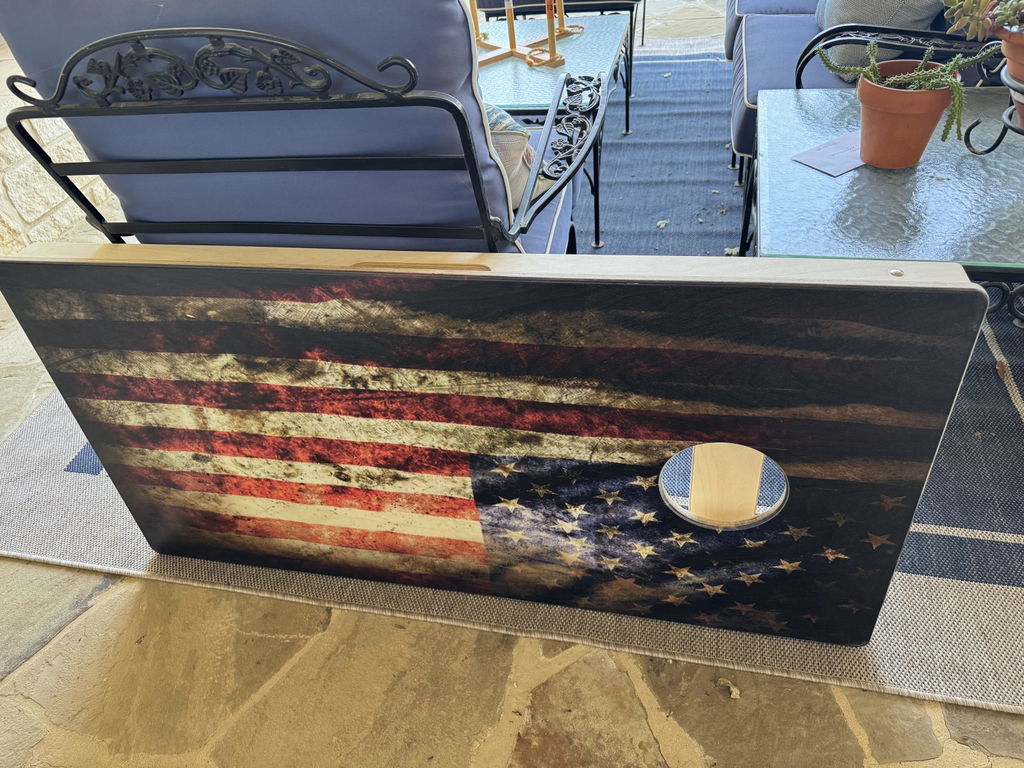
One way to elevate the enjoyment of a game is to make it feel like it’s truly your own. Customized cornhole boards featuring team names, corporate logos, or themes matching holiday parties can add a touch of excitement. It doesn’t stop at the boards either. Colorful bags, fun team uniforms, or even themed playlists in the background go a long way to enhance the atmosphere.
Want to make it memorable? Add small prizes for the winners, like coffee gift cards or a trophy for the MVP. Rewarding performance, even with humble prizes, adds to the competitive spirit while keeping things lighthearted.
A Sense of Community Through Cornhole
Cornhole is more than just a backyard activity. It’s a way to bring people together and create lasting memories. Whether it’s a neighborhood get-together, a school field day, or a company picnic, the game fosters a sense of community.
Encourage your players to cheer each other on and interact beyond the game. Share jokes, take pictures, and swap tips on bag throwing or board setup. Before you know it, cornhole won’t just be a game; it will be a shared tradition for your group.
Build Toward Fun and Competition That Lasts
Balancing fun and competition in cornhole doesn’t happen by accident. It’s an ongoing effort requiring attention to detail, inclusivity, and an energetic atmosphere. From ensuring the boards are properly spaced to making everyone feel welcome, these simple steps can add up to countless hours of enjoyment.
If you’re still debating, "How far apart are cornhole boards supposed to be?” now you know that getting the setup right is the first step to happier, smoother games. With a bit of strategy and a whole lot of celebration, your cornhole matches can strike the perfect balance between competitive spirit and good-natured fun.
At Skip’s Garage, we believe everyone deserves the best game experience. Whether you’re planning a big community event or a casual weekend get-together, we’re here to ensure your cornhole boards are designed with quality, craftsmanship, and fun in mind. Explore our customizable board options today and make your next match unforgettable