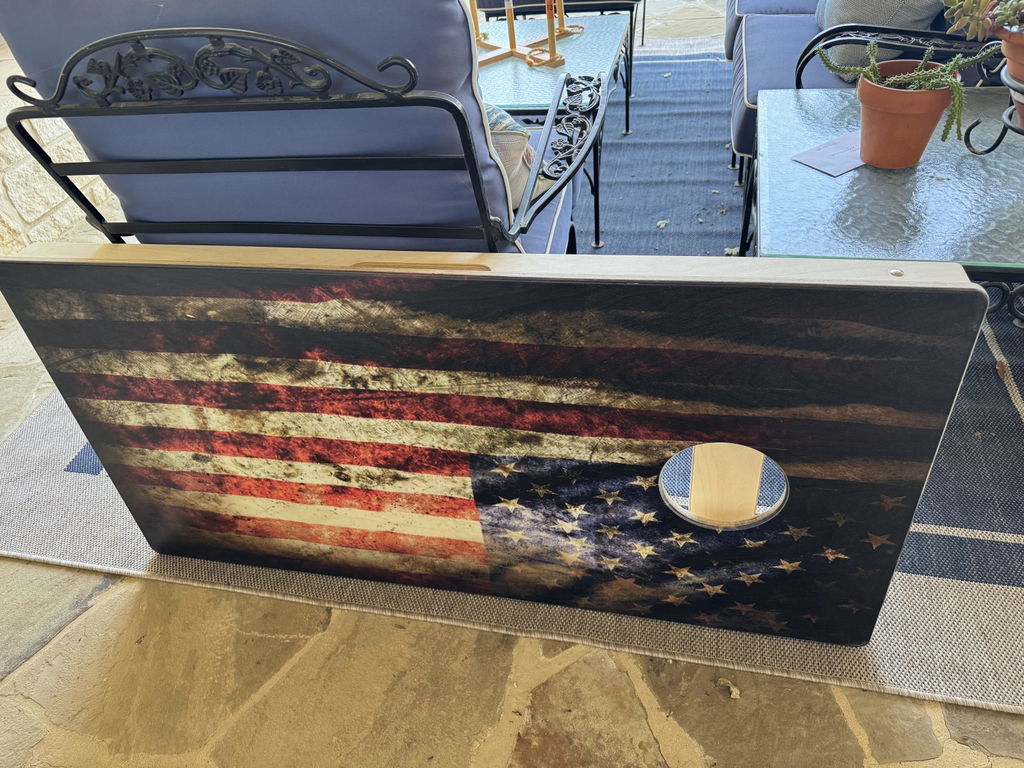
Cornhole may seem like a simple backyard game at first glance, but any serious player or tournament organizer will tell you that it’s a game of precision, technique, and consistency. Beyond skill and strategy, countless environmental factors can affect performance, but one that often goes overlooked is lighting. The way a space is lit can have a dramatic impact on gameplay, accuracy, and even the overall experience of playing cornhole. Lighting can determine whether a competitive match runs smoothly or whether players struggle to adapt to subpar conditions.
For those who take the game seriously, whether you're using pro cornhole bags or competing on custom boards, understanding lighting and its effects can optimize gameplay, enhance accuracy, and ensure a seamless experience during tournaments or recreational matches alike.
The Role of Lighting in Cornhole Mechanics
Cornhole is a game of precision. Each bag is carefully aimed to land on the board or slide perfectly into the hole. This accuracy relies on players’ depth perception, focus, and their ability to judge distance and trajectory. Every toss hinges on their visual cues, and lighting is central to how players perceive their goal.
Proper lighting ensures players can accurately assess the angle, spin, and speed necessary for a successful toss. On the contrary, poor lighting can distort perception, creating challenges for even experienced players. For instance, dim lighting can make it difficult to gauge the distance between the throwing line and the board, leading to underthrown or overshot tosses. Similarly, direct overhead lighting or poorly angled spotlights may create glare on the boards, obscuring visibility of the hole and disrupting focus.
When competitive players, equipped with pro corn hole bags, are aiming for consistency, they can only perform to their potential when external environmental factors, like lighting, are optimized.
Indoor Versus Outdoor Lighting Challenges
Cornhole is played in a variety of settings, from professional tournament halls and recreational leagues to backyard get-togethers. Whether indoors or outdoors, lighting must adapt to the space to create ideal playing conditions. However, each environment presents unique challenges.
Indoor spaces, such as sports halls or event venues, often offer more control over lighting. However, artificial lights in these setups can create issues with shadows or glare if not installed or angled properly. Direct fixtures shining on glossy cornhole boards can amplify reflections, making it difficult for players to track the bags’ movement or see the hole. Consistent and diffused lighting is a must for indoor matches to avoid these distractions.
Outdoor games, on the other hand, are subject to the unpredictability of natural light. Games scheduled during the day must account for changing sunlight angles as the game progresses. Overcast skies can create uneven lighting, while direct sunlight in the players' eyes can make aiming a challenge. Once the sun drops and the game continues into the evening, artificial outdoor lighting, such as floodlights, must step in. However, uneven placement of floodlights can lead to shadows on the boards, further hindering gameplay.
Successful cornhole tournaments depend on organizers who account for these nuances, ensuring lighting is appropriate for the time of day and venue layout to deliver optimal conditions for participants.

The Science Behind Proper Cornhole Lighting
Adequate cornhole lighting isn’t just about visibility; it also influences player psychology and performance. Well-lit environments are proven to enhance focus and concentration. Players are more relaxed and confident when their surroundings feel controlled and predictable, eliminating frustrations or the need to overcompensate for environmental disadvantages.
For the best gameplay experience, consistent and even lighting that mimics natural daylight is ideal. Neutral white or slightly warm tones (color temperatures between 3,500K and 5,000K) avoid the strain caused by harsh white or overly warm yellow lighting. Additionally, ensuring shadows are minimized by evenly distributing light across the playing area can reduce distractions and misjudgments during gameplay.
Event lighting companies, professional league coordinators, and even backyard cornhole enthusiasts should explore energy-efficient LED lights, which provide brighter illumination and help reduce the glare created by traditional bulbs.
Lighting and the Competitive Edge
At higher levels of competition, such as those involving professional-grade equipment like custom cornhole boards and pro cornhole bags, lighting can be the variable that makes or breaks a player's performance. Tournament organizers understand that athletes train extensively to fine-tune their skills under specific conditions, and lighting is one of those conditions. For fairness, it’s essential to maintain uniform lighting throughout the playing area, both for players and spectators.
Certain high-profile tournaments even opt for lighting setups that mimic theatrical stage designs, where boards are lit uniformly with no shadow discrepancies and minimal glare. This type of setup provides a performance edge to competitors while supporting a professional presentation for the audience.
For recreational play or league matches, players often recommend adjusting for consistency. If one side of the board is better lit, switching playing sides between rounds ensures fairness. Cornhole enthusiasts don’t just want to toss; they want every game to feel intentional and fair.
Optimizing Your Backyard or Event Venue
For those hosting casual cornhole matches or equipping a venue for leagues, lighting can still be a game-changer. While an elaborate lighting rig may not be necessary for weekend games, a few thoughtful adjustments can elevate the experience. Outdoor string lights, adjustable floodlights, or portable LED lamps can be great solutions for consistent illumination. When setting up, adjust angles to avoid shadows and ensure the spotlight is focused on the board, not the surrounding area.
If you’re a cornhole enthusiast using high-quality equipment like pro cornhole bags, complementing your setup with adequate lighting allows you to play at your best and enjoy the tactical depth of the game. After all, players should be focused on their precision throws, not squinting into the dark or misjudging distances due to glaring lights.
Elevating Gameplay With Attention to Detail
Lighting is often overlooked in favor of other aspects like equipment or board design, but its impact on gameplay is undeniable. Whether you’re hosting a backyard match, organizing a professional event, or creating content for your cornhole YouTube channel, understanding how lighting shapes the gaming experience helps foster fair, enjoyable, and high-quality gameplay.
By addressing lighting challenges with intention, players and organizers alike can create an environment that supports peak performance. The power of proper lighting lies in its ability to connect players to their game, making every toss feel calculated, precise, and rewarding.