The distinctive thud of a bean bag hitting a wooden platform is becoming the soundtrack of American leisure. Whether at a tailgate party, a wedding reception, or a quiet Sunday afternoon in the backyard, cornhole has cemented itself as a staple of social gatherings. What makes this game truly remarkable is not the simplicity of the equipment or the ease of the rules, but its unique ability to bring people together who might otherwise have little in common. In an era where interests are often segmented by age and technology, cornhole serves as a rare unifying force, creating a level playing field where a grandfather has a legitimate chance of defeating his teenage grandson.
Tracing the Roots of the Game
The precise origins of cornhole are shrouded in a bit of mystery and folklore, which only adds to the game's charm. Some historians argue that the game dates back to fourteenth-century Germany, where a cabinet maker watched children tossing rocks into a nearby groundhog hole and decided to create a safer, more structured version using wooden boxes and bags of grain. Others claim the game originated with the Blackhawk tribe of Illinois, who filled pigs' bladders with dried beans to toss for entertainment.
However, the modern iteration of the game that has swept the nation finds its strongest roots in the American Midwest, particularly around Cincinnati and Kentucky. For decades, it was a regional pastime known by various names such as "baggo," "bean bag toss," or simply "bags." It remained a localized secret until the early 2000s, when it began to spread rapidly across the country. As it moved from local picnics to national television, the game evolved from a simple distraction into a recognized sport, yet it never lost the rustic, accessible quality that made it popular in the first place.
The Universal Appeal of Tossing Bags
The primary reason cornhole transcends age barriers is its incredible accessibility. Unlike sports that require speed, strength, or endurance, cornhole relies on touch and strategy. The physical barrier to entry is almost non-existent. A child who can lift a one-pound bag can play, and an adult with limited mobility can still participate effectively. This inclusivity means that no one is relegated to the sidelines.
Furthermore, the pacing of the game invites conversation. Cornhole is not a frantic activity; it has a rhythm that allows for chatting, joking, and socializing between turns. The game occupies the hands but frees the mind, making it the perfect vehicle for social interaction. It creates a shared focus that eliminates awkward silences, allowing participants of different generations to connect over the immediate action of the game rather than struggling to find conversation topics.
A Staple of Family Bonding
For families looking to disconnect from screens and reconnect with one another, cornhole has become a go-to solution. It turns a standard backyard barbecue into a family tournament. Because skill levels can be balanced easily by adjusting the throwing distance, toddlers can play alongside their parents. The game fosters a sense of friendly competition that is healthy and engaging without being overly aggressive.
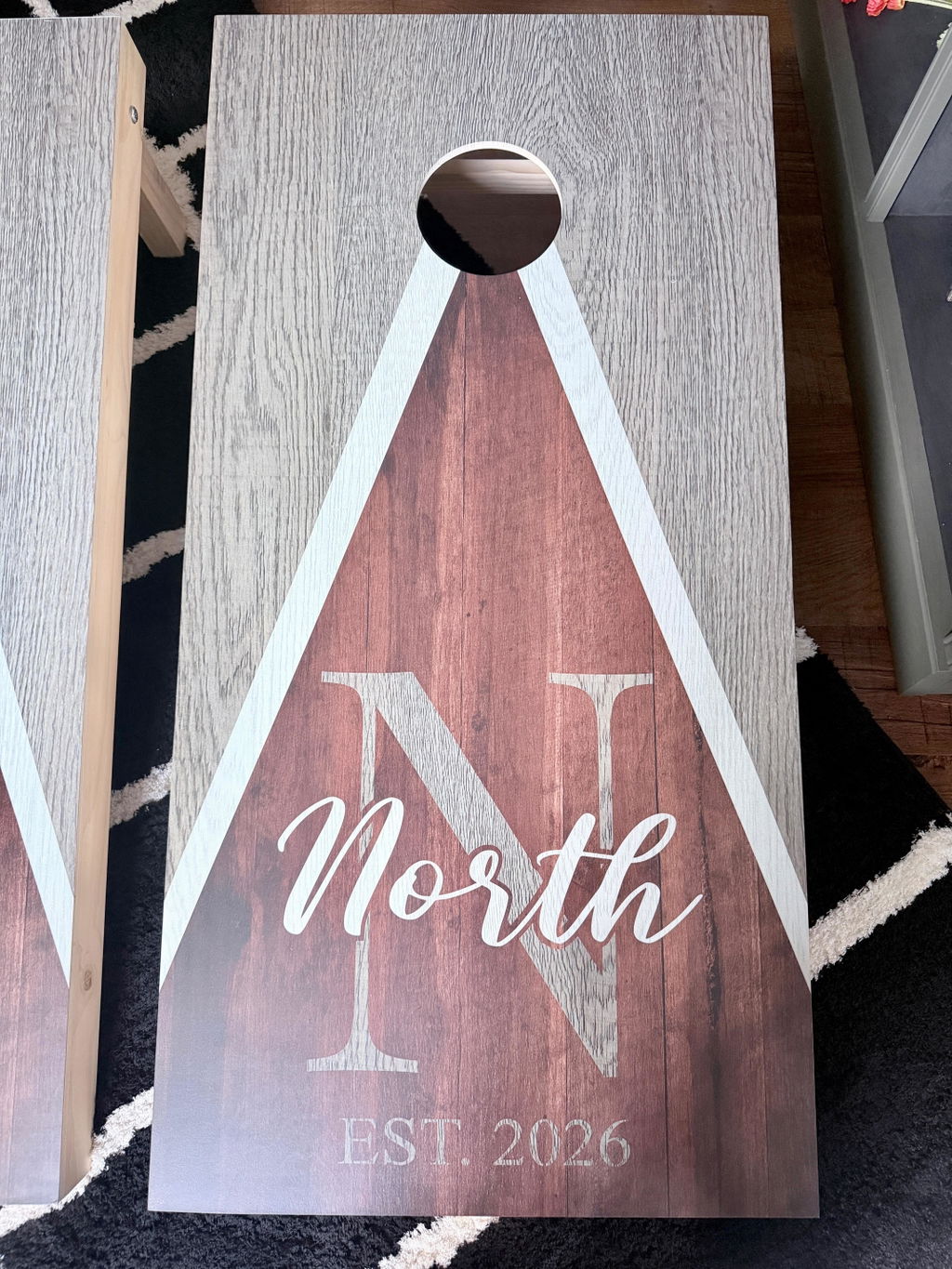
This shared activity creates lasting memories. It establishes a family tradition that can be revisited at every reunion or holiday gathering. To add a layer of personal connection to the equipment itself, many families choose to design your own boards that represent their shared history. Whether painted with a family crest, the colors of a favorite sports team that the whole family supports, or dates of significant family milestones, customized equipment turns the game into a cherished heirloom that gets passed down and played with pride.

Active Aging in Retirement Communities
Cornhole has found a vibrant and enthusiastic home within retirement communities. As seniors look for ways to stay active without risking injury, this low-impact sport offers the perfect balance of movement and safety. The motion of tossing the bag aids in maintaining hand-eye coordination and balance, providing a subtle but effective physical workout.
Beyond the physical benefits, the game combats the isolation that can sometimes accompany aging. Retirement communities often organize weekly leagues, creating a structured social event that residents look forward to. These gatherings provide a sense of purpose and community, allowing seniors to socialize, cheer each other on, and maintain a competitive spirit. It proves that the desire for play and mastery does not diminish with age; it just finds new avenues of expression.
Tailgates and Campus Life
On the other end of the age spectrum, cornhole dominates the social landscape of colleges and young adult gatherings. A walk through any university campus on game day reveals hundreds of boards set up on lawns and parking lots. For young adults, the game is a catalyst for camaraderie. It serves as an icebreaker at parties where guests might not know one another, instantly giving strangers a common goal and a reason to interact.
The culture of tailgating has elevated cornhole to an art form. It is competitive, loud, and energetic, often accompanied by music and food. Yet, even in this high-energy environment, the core of the game remains the same. It is about hanging out with friends and enjoying the moment. The widespread popularity among young adults ensures that the game has a future, as these players will likely carry the tradition forward as they start their own families.
The Rise of Leagues and Tournaments
The unification of these diverse age groups is most visible in organized tournaments and leagues. Organizations like the American Cornhole League have standardized the rules and equipment, paving the way for competitions that welcome players from all walks of life. At a typical open tournament, it is not unusual to see a team of college students playing against a retired couple.
These events break down social silos. When a game begins, job titles, net worth, and age differences disappear. All that matters is who can slide the bag into the hole. The respect earned on the cornhole court is based purely on performance and sportsmanship. This environment fosters mentorships and friendships that would likely never occur in any other context, proving that a simple wooden board and a few bean bags have the power to build genuine community.
Bridging the Gap Through Play
Cornhole is far more than a way to pass the time at a picnic. It is a unique cultural phenomenon that acts as a bridge between generations. In a world where grandparents and grandchildren often live in different digital and cultural realities, cornhole provides a shared physical space where they can meet, compete, and laugh together. It strips away the complexities of modern life and leaves behind a simple, joyful challenge. Whether played in a retirement home, a college parking lot, or a family backyard, the game reminds us that the human desire for connection and play is ageless.