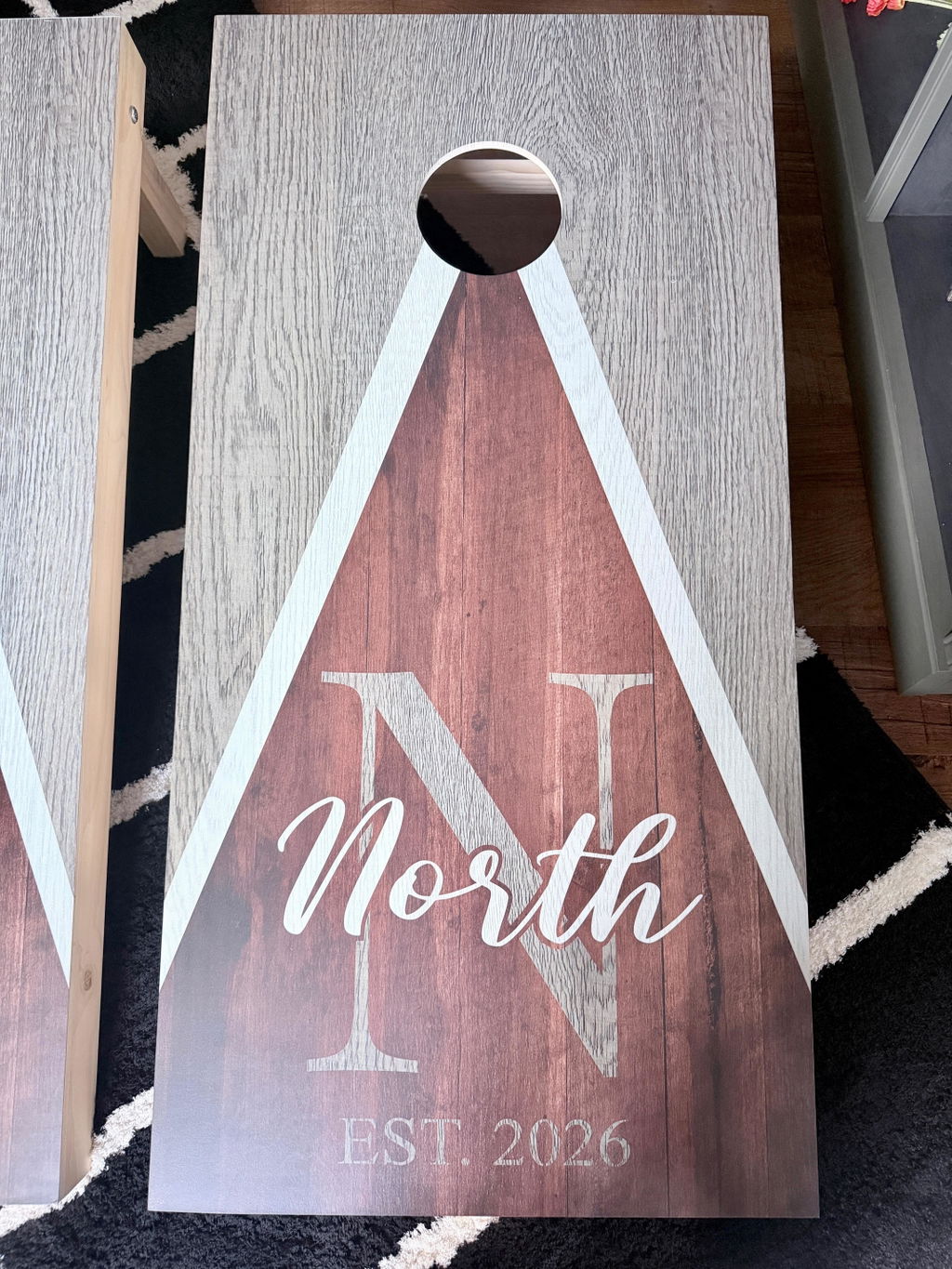
The distinctive thud of a bean bag hitting a wooden board is the soundtrack of summer cookouts, tailgates, and friendly backyard rivalries. Cornhole has evolved from a casual lawn pastime into a competitive sport with leagues and tournaments across the country. Whether you are playing for bragging rights or a trophy, the desire to win remains the same. However, many players make the mistake of stepping up to the pitch line cold, without preparing their bodies or their minds for the match ahead.
Skipping a proper warm-up can lead to stiff shoulders, inconsistent throws, and a lackluster performance in the first few rounds. Just like any physical activity, your muscles need to be primed to perform at their best. A solid warm-up routine not only prevents minor strains but also helps you dial in your aim before the scorekeeping begins. By incorporating dynamic movements and fun group drills, you can transform the pre-game wait into an engaging session that gets everyone ready to toss their way to victory.
Loosen Up with Dynamic Stretching
Before you even pick up a bean bag, it is essential to get your blood flowing and your joints moving through their full range of motion. Dynamic stretching involves active movements that stretch muscles without holding them in place, making it the perfect preparation for the repetitive motion of throwing. You should begin with arm circles to wake up the shoulders. Stand with your feet shoulder-width apart and extend your arms out to the sides. Slowly start making small circles, gradually increasing the size until you are making large, sweeping motions. This helps lubricate the shoulder joint, which is the primary pivot point for your toss.
After loosening the shoulders, move on to torso twists. The motion of tossing a cornhole bag involves the entire body, not just the arm. A fluid throw often requires a subtle rotation of the core to generate power and stability. Stand with your feet planted firmly and gently twist your upper body from side to side, letting your arms swing loosely. This movement wakes up the oblique muscles and prepares your spine for the rotational force of the game.
Finally, do not neglect your lower body. Stability is key to a consistent toss, and your legs provide that foundation. Leg swings are an excellent way to loosen up the hips and hamstrings. Find a wall or a friend for balance, and swing one leg forward and backward in a controlled motion. Switch legs after a few repetitions. Even though your feet stay planted during the throw, relaxed hips allow for a more comfortable stance and better balance throughout the game.
Sharpen Your Aim with Toss Drills
Once your muscles are warm, it is time to pick up the bags and focus on mechanics. Drills are a fantastic way to build muscle memory without the pressure of a live score. One effective method is the accuracy drill. Instead of aiming for the hole immediately, focus on landing the bag on specific quadrants of the board. Try to land three bags in a row on the top left corner, then switch to the bottom right. This exercise forces you to control your power and arc, ensuring you can place a blocker bag exactly where you need it during a match.
Distance drills are another excellent way to calibrate your throwing arm. While official cornhole game rules dictate that the boards should be placed 27 feet apart, practicing at varying distances can improve your adaptability. Start about ten feet from the board and focus on a high, soft release. Step back five feet after every few successful tosses until you are well behind the regulation line. Throwing from a farther distance forces you to use your legs and core more, while throwing from closer requires a delicate touch. This variation trains your brain to adjust force quickly, a skill that becomes invaluable if wind conditions change or if you switch to a different set of bags.

Engage the Group with Team-Based Warm-Ups
Warm-ups do not have to be a solitary activity. Since cornhole is inherently social, integrating team-based games into your preparation can build camaraderie and raise the energy level. Relay races are a high-energy option that combines cardio with precision. Divide your group into two teams and line them up at a starting point about 30 feet from the boards. The first player from each team runs to a designated line, tosses a bag, and must retrieve it before tagging the next teammate. To make it more challenging, create a rule where the player cannot return until they land a bag on the board. This adds a layer of pressure that mimics a competitive game environment.
Another fun group activity is the bean bag bucket challenge. This drill is perfect for refining aim while laughing. Place several buckets or baskets at different distances and assign point values to each. The group takes turns trying to sink bags into the targets. This breaks the monotony of throwing at the standard board and forces players to adjust their trajectory for different targets. It fosters a sense of friendly competition and wakes up the hand-eye coordination required for a serious match.
Cool Down and Recover
After the games are over and the winners have been crowned, it is just as important to help your body recover. A proper cool-down allows your heart rate to return to normal and prevents muscle stiffness later in the day. Unlike the dynamic movements used before the game, the cool-down should focus on static stretching. This involves holding a stretch for a longer period to relax the muscle fibers.
Start by stretching the arm across your chest to release tension in the shoulder and upper back. Use your opposite arm to gently pull the throwing arm closer to your body, holding the position for several seconds. Follow this with an overhead triceps stretch, reaching down the center of your back and gently pressing on the elbow. Finally, perform a simple hamstring stretch by reaching for your toes. Cornhole matches can last for hours, involving a lot of standing and leaning. Stretching your legs and back ensures you will be ready to play the next day again without lingering aches or pains.
Elevate Your Game
Warming up might seem like an unnecessary step for a casual backyard game, but it is the secret weapon of consistent players. By taking a few minutes to engage in dynamic stretching, focused drills, and fun group challenges, you prepare your body for the repetitive motion of throwing and sharpen your mental focus. You reduce the risk of injury and increase the likelihood of landing those satisfying airmail shots. Next time you see the boards set up, gather your group and lead them through a proper warm-up. You will not only play better, but you will also have more fun doing it.