Cornhole, a game once confined to backyard barbecues and weekend tailgates, has captured the attention of players and fans across the globe. Its rise from a simple pastime to a recognized recreational sport is nothing short of extraordinary. But how did this game, with such humble beginnings, grow into a worldwide phenomenon? This blog will explore cornhole's fascinating history, its cultural transformation, and the factors that contributed to its popularity.
Cornhole's Humble Origin Story
To understand how cornhole became a global hit, we have to go back to its roots. Cornhole is believed to have originated in the Midwest, particularly Ohio and Kentucky. The earliest references to the game trace back to the 1800s, when it was a way for people to pass time using simple materials like wooden boards and sacks filled with dried corn kernels.
However, the modern version we recognize today underwent refinement in recent decades. Its basic concept remained simple yet engaging. Players would aim to toss corn-filled bags into a hole on a wooden board placed at a distance. Easy to learn but challenging to master, the game appealed to players of all ages and skill levels. This accessibility laid the foundation for cornhole’s eventual rise.
The Shift to Professionalism
Despite its simple nature, one of the key reasons cornhole gained wider traction was the formalization of its rules. The American Cornhole Association (ACA), established in the early 2000s, provided clear regulations on the size of boards, dimensions of the bags, and scoring policies. These standards created consistency in gameplay across different regions.
This formalization also opened doors for professional tournaments. Championships and leagues began popping up, turning cornhole into more than just a backyard activity. What was initially considered an informal game was now a structured sport, with players mastering their techniques and developing competitive strategies.
An Unexpected Star of Tailgating Culture
Cornhole's significant boost came from its association with tailgating culture, particularly in the United States. Whether it was football games or music festivals, cornhole became a staple for pre-event gatherings. Its portability, easy-to-set-up design, and low barrier to entry made it a fan favorite.
Additionally, the rise of high-quality cornhole boards and accessories added to its appeal. Customized designs and the introduction of durable cornhole carry bags made it not just a pastime but a statement. Owning a premium set became synonymous with commitment to the game. Today, cornhole carry bags are a must-have for players who take the game from event to event.
Television and Live Streams Propel Their Popularity
Another turning point in cornhole's popularity was its debut on television. Networks like ESPN began to feature competitive cornhole tournaments, bringing the game to a much broader audience. Watching professionals compete with precision heightened the excitement and legitimized cornhole as a sport.
The role of live-streaming services also cannot be overlooked. Platforms like YouTube and Twitch served as venues where enthusiasts could watch tutorials, top plays, and even amateur matches. This visibility inspired many to pick up the game themselves, contributing significantly to its rapid growth.

Appeal Across Generations
Cornhole is one of those rare activities that seamlessly bridges generational gaps. For older players, it brings back memories of simpler times, evoking nostalgia for community gatherings and childhood fun. For younger enthusiasts, it fits into today’s trend of casual, skill-based games that encourage social interaction.
Families worldwide are now incorporating cornhole into reunions, weddings, and even corporate team-building events. Event promoters see it as an excellent icebreaker, while brands and sponsors have embraced it as a unique marketing opportunity.
A Canvas for Self-Expression
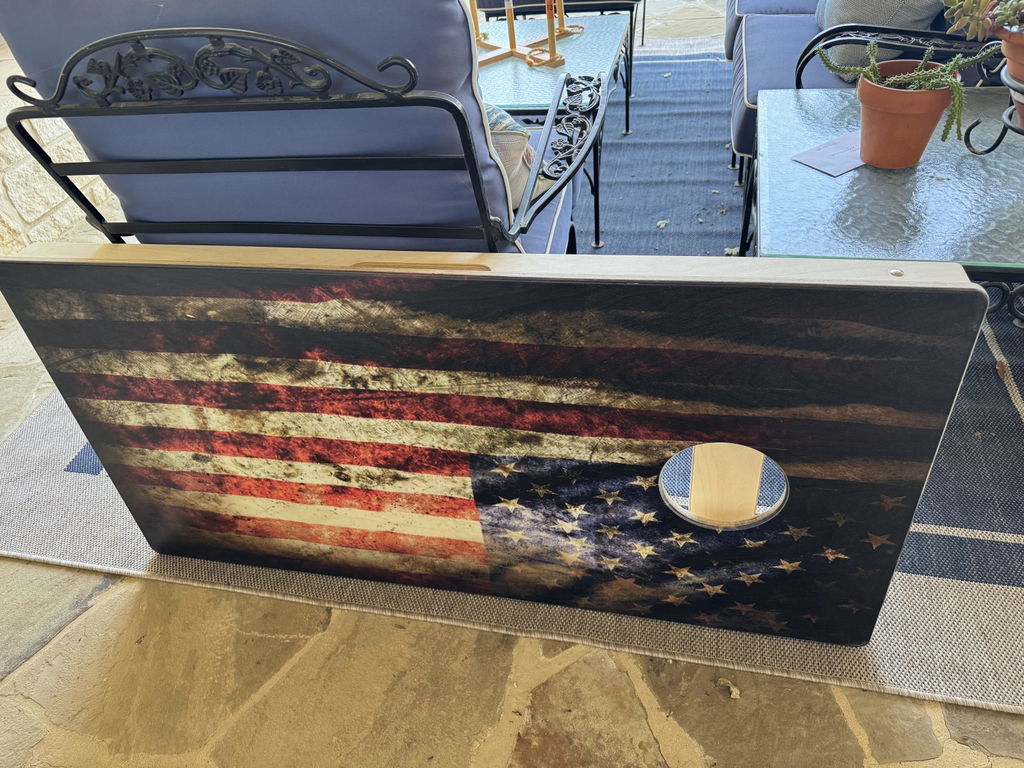
Customization has become a significant element of cornhole's appeal. Players are no longer limited to generic boards. Modern cornhole sets can be tailored to reflect personal tastes, favorite sports teams, or corporate branding. Artfully designed sets and personalized cornhole carry bags make the equipment as much a part of the conversation as the game itself.
Customization also ties into social media culture. Players proudly showcase their unique boards online, spurring further interest and generating conversations about the game.
Cornhole in the Digital Age
Cornhole is not just thriving in physical spaces; it has also entered the digital domain. Game developers have created virtual cornhole games, replicating the real-life mechanics and strategy of the sport. These digital adaptations have made cornhole accessible to people who may not have easy access to physical setups, thus broadening its reach.
Additionally, marketing professionals and social media creators leverage the game’s universal appeal to create engaging content, whether it’s via tutorials, trick shots, or creative game setups.
The Future of Cornhole
Cornhole’s evolution has been remarkable, but its story is far from over. Its simplicity continues to win hearts, while its adaptability ensures it remains relevant. Whether it’s seen in a neighbor’s backyard or at an international championship, cornhole has proven that games don’t need complex rules or expensive equipment to captivate the world.
If you’re yet to jump on the cornhole bandwagon, there’s no better time than now. Equip yourself with a high-quality, customizable cornhole board and a durable cornhole carry bag to elevate your game. With its unique mix of fun, competition, and community, cornhole will likely remain a global favorite for generations to come