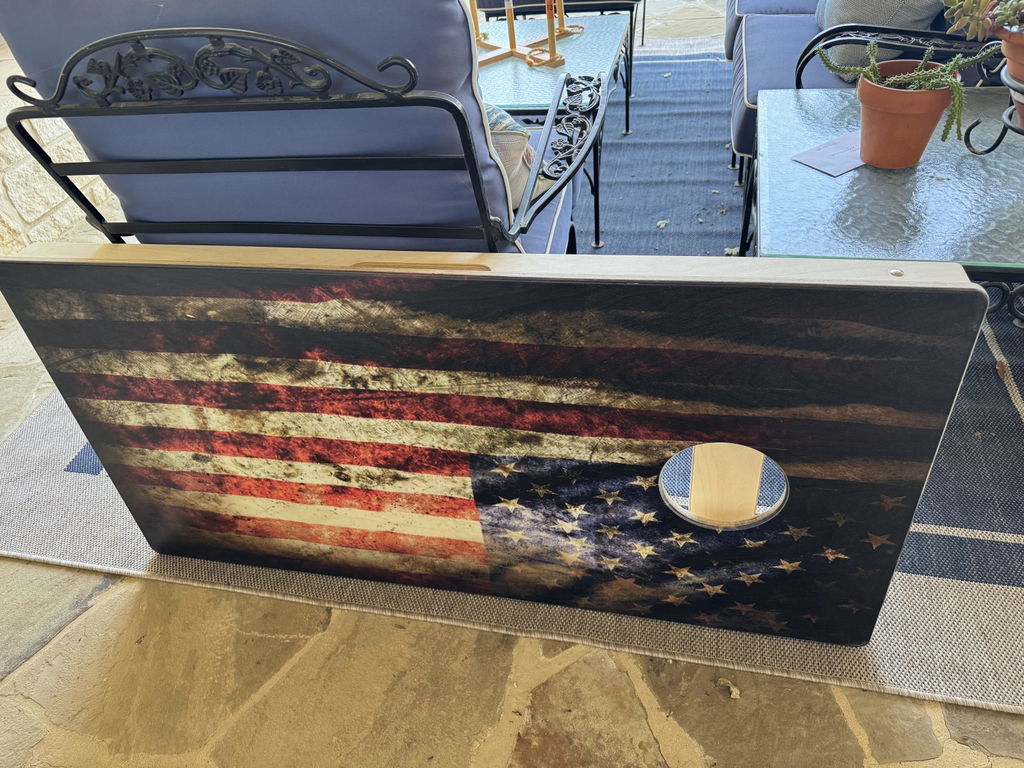
Sports have transformed dramatically throughout human history, evolving from simple recreational activities into highly regulated competitions with precise specifications. This evolution reflects our growing understanding of fairness, safety, and competitive balance. Modern games like cornhole exemplify this progression, where specific measurements—such as how far apart cornhole boards should be positioned—demonstrate the sophisticated standardization that defines contemporary athletics.
The journey from ancient pastimes to today's meticulously regulated sports reveals fascinating insights about human nature, cultural values, and our relentless pursuit of excellence. Understanding this evolution helps us appreciate not only where we've been, but also where sports continue to head in our modern era.
Ancient Origins: When Rules Were Fluid
Sports began as informal activities rooted in survival skills and religious ceremonies. Ancient civilizations developed games that prepared warriors for battle or honored their deities. Egyptian wall paintings from 4000 BCE depict wrestling matches, while ancient Greek Olympic Games, starting in 776 BCE, established some of the earliest formal competition structures.
However, these early sports lacked the precise standardization we see today. Field dimensions varied by location, equipment differed between regions, and rules changed based on local customs. The ancient Greek stadion race, for example, was run over distances that varied significantly between different city-states, ranging from 177 to 192 meters depending on the venue.
This flexibility reflected a different approach to competition. Ancient sports emphasized participation, honor, and religious significance rather than precise measurement and universal standards. The concept of exact specifications—like determining the distance between cornhole boards—would have been foreign to these early athletes.

Medieval Modifications: Structure Emerges
The medieval period witnessed sports becoming more organized, particularly in Europe. Feudal societies used games to train knights and entertain nobility. Tournaments became elaborate affairs with increasingly detailed rules governing conduct, equipment, and field layout.
Archery competitions developed some of the earliest standardized distances. English longbow contests established specific ranges that remained consistent across different venues. This standardization served practical military purposes—archers needed to train at uniform distances to be effective in warfare.
Similarly, early ball games began establishing more consistent playing areas. Medieval football, the predecessor to modern soccer, started with village-to-village games that could span miles. Gradually, these evolved into more contained contests with defined boundaries, though still far from today's precise measurements.
The emergence of guilds and organized tournaments created pressure for standardization. Competitors traveling between different venues needed to know what to expect, leading to the first attempts at creating universal rules and specifications.
Renaissance Refinement: Precision Takes Hold
The Renaissance period marked a significant shift toward scientific thinking and measurement precision. This cultural change influenced sports development, leading to more exact specifications and standardized equipment.
Tennis emerged during this period with increasingly precise court dimensions. The jeu de paume, tennis's predecessor, evolved from informal courtyard games into competitions with specific court sizes and net heights. These early standardizations reflected the Renaissance emphasis on mathematical precision and geometric perfection.
Bowling also developed during this era, with various European versions establishing consistent lane lengths and pin arrangements. The concept of precise distances became important not just for fairness, but for the skill development that came with practicing under identical conditions.
This period established the principle that uniform specifications enhanced both competition quality and player development. The distance between cornhole boards, for instance, represents this same philosophy—standardization allows players to develop consistent skills and compete fairly regardless of venue.
Industrial Revolution: Mass Production and Standardization
The Industrial Revolution fundamentally transformed sports through mass production capabilities and improved transportation. Suddenly, identical equipment could be manufactured in large quantities, while railroads allowed teams to travel between cities for competition.
Baseball exemplifies this transformation. The sport developed increasingly precise specifications for everything from field dimensions to ball construction. The pitcher's mound was standardized at exactly 60 feet, 6 inches from home plate—a measurement that reflects the era's commitment to precise standardization.
Manufacturing consistency also enabled the development of equipment standards. Tennis balls, golf clubs, and other sporting goods could be produced to exact specifications, ensuring that competitions were determined by skill rather than equipment variations.
This industrial approach to sports standardization established patterns that continue today. Modern cornhole regulations specify that boards must be positioned exactly 27 feet apart, front edge to front edge, demonstrating how industrial-era thinking about precision and standardization continues to influence contemporary sports.
Modern Era: Science Meets Sport
The 20th and 21st centuries have witnessed unprecedented scientific involvement in sports development. Biomechanics, physics, and materials science now inform decisions about equipment specifications and playing field dimensions.
Track and field events showcase this scientific approach. The 100-meter dash distance was chosen not arbitrarily, but based on research into optimal sprint distances for human physiology. Similarly, hurdle heights and spacing reflect scientific understanding of human movement patterns and athletic capabilities.
Swimming pool lane widths, diving board heights, and countless other specifications now incorporate scientific research about optimal performance conditions. This represents a dramatic evolution from ancient sports where dimensions were determined by tradition or convenience.
The distance between cornhole boards illustrates this scientific approach. The 27-foot separation provides optimal challenge levels—close enough for skilled players to achieve accuracy, but far enough to require genuine skill development. This distance has been refined through extensive play testing and competitive experience.
Technology's Transformative Impact
Modern technology has revolutionized both sports performance and standardization processes. Electronic timing systems, video replay, and sensor technology enable unprecedented precision in competition management and rule enforcement.
GPS technology now allows precise field marking, while laser measurement tools ensure exact distances and dimensions. These technological capabilities enable standardization levels that would have been impossible in earlier eras.
Digital manufacturing techniques also enable equipment production with tolerances measured in fractions of millimeters. This precision ensures that standardized specifications are maintained across millions of manufactured items, from tennis balls to cornhole bags.
Sports analytics and performance tracking provide data that informs ongoing refinements to specifications and rules. This continuous improvement process represents the latest evolution in sports development, where standards are refined based on comprehensive performance data rather than tradition alone.
Cultural Exchange and Global Standardization
Globalization has created pressure for universal sports standards that transcend national boundaries. International governing bodies now establish specifications that apply worldwide, enabling truly global competition.
The Olympics exemplify this international standardization. Every four years, athletes from around the world compete under identical conditions, with equipment and facilities meeting exact specifications regardless of host country. This uniformity ensures fair competition while celebrating human athletic achievement.
Similar standardization has occurred in recreational sports. Games like cornhole, once played with varying specifications across different regions, now follow consistent rules that enable organized competition and skill development. The standardized distance between cornhole boards allows players to develop transferable skills and compete fairly in different venues.
Future Directions: Adaptation and Innovation
Sports continue evolving as new technologies, materials, and understanding of human performance emerge. Virtual reality training, advanced materials science, and biomechanical research will likely drive future changes in sports specifications and standards.
Climate change is also influencing sports development, with outdoor activities adapting to changing environmental conditions. Indoor alternatives to traditional outdoor sports are being developed, often with modified specifications that accommodate different playing environments.
The rise of adaptive sports for athletes with disabilities has also driven innovation in specifications and equipment standards. These developments often benefit all athletes by advancing our understanding of optimal playing conditions and equipment design.
Lasting Lessons from Sports Evolution
The evolution of sports from ancient pastimes to modern precision competitions reveals fundamental truths about human nature and societal development. Our drive for fairness, excellence, and standardization reflects deeper values about competition and achievement.
Understanding this evolution helps us appreciate both the complexity of modern sports and the thoughtfulness behind seemingly simple specifications. The distance between cornhole boards represents centuries of human experience with game design, competition fairness, and skill development.
This historical perspective also reminds us that sports will continue evolving. Future generations will likely view our current standards as we view ancient practices—as steps along a continuous journey toward a better understanding of human athletic potential and competitive fairness.
Sports serve as mirrors reflecting our society's values, technological capabilities, and understanding of human performance. The evolution from informal ancient games to today's precisely regulated competitions tells the story of human civilization itself—our endless quest for improvement, fairness, and excellence in all endeavors