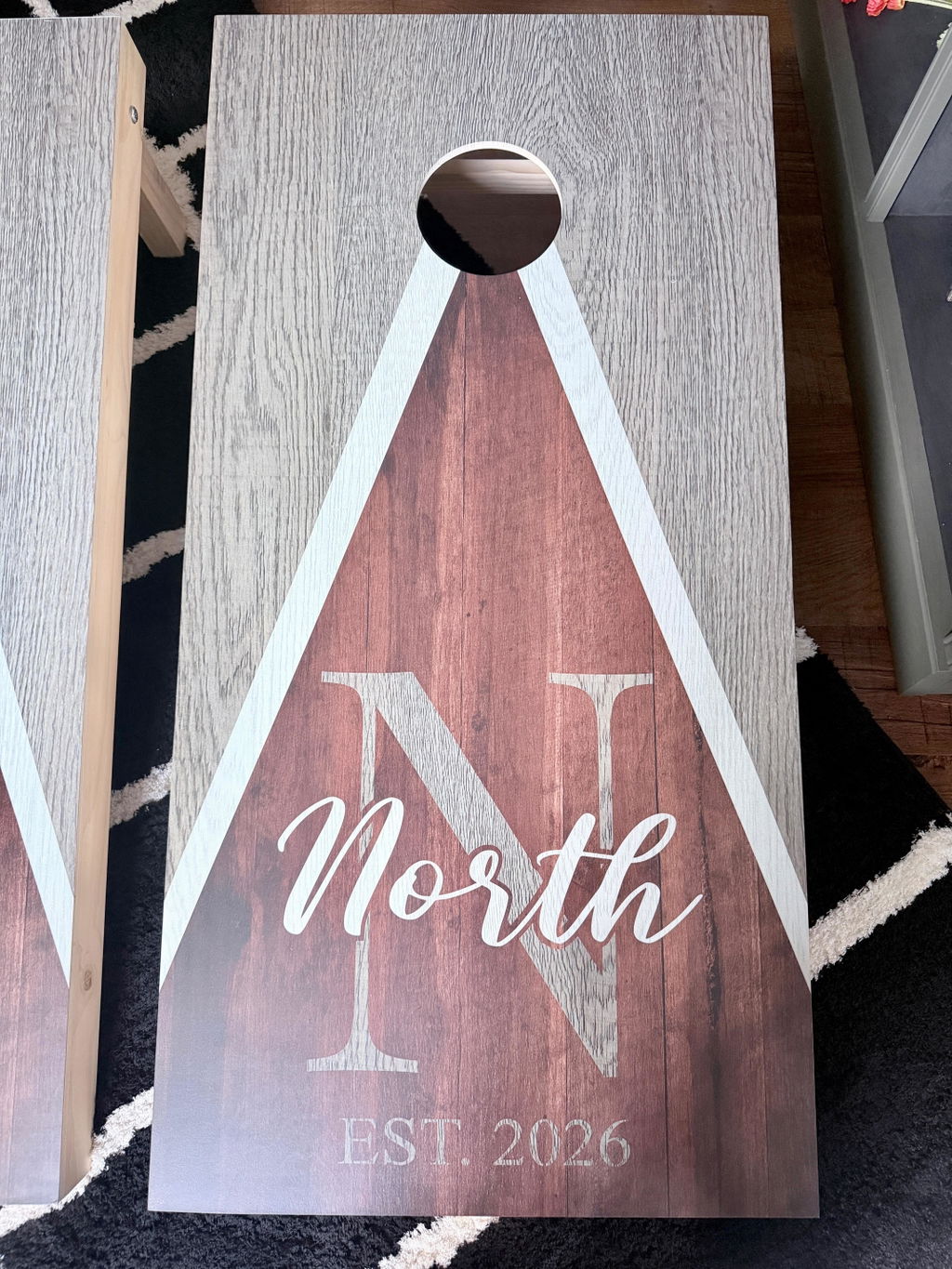
There is nothing quite like the feeling of ripping open a package of brand-new cornhole bags. The colors are vibrant, the fabric is pristine, and the stitching is tight. However, that excitement often turns to frustration the moment you toss the first bag. Instead of sliding smoothly into the hole, it lands with a thud and bounces off the board like a brick. This happens because new fabric is naturally stiff and rigid, lacking the flexibility needed to melt around the hole or slide between your opponent’s blockers.
Breaking in your bags is a critical step in becoming a serious player. A broken-in bag feels softer in your hand, offers better grip control, and behaves more predictably on the board. While playing game after game is the traditional way to soften them up, most players do not have the patience to wait weeks for their equipment to reach peak performance. Fortunately, there are several methods you can use to speed up this process and get your bags tournament-ready in no time.
Understanding Cornhole Bag Materials
Before you start soaking or scrubbing your new gear, it helps to understand what you are working with. The material of the bag dictates how much effort is required to break it in. Most high-quality bags feature a dual-sided design. One side is typically made of a slick synthetic material that allows the bag to slide up the board. The other side is often a sticky material, like suede or a textured synthetic, designed to grab the wood and stop the bag in its tracks.
Duck cloth, a heavy-duty woven cotton fabric, is another common material found on traditional bags. It is incredibly durable but starts out very stiff. Synthetic fabrics tend to break in faster than heavy cotton canvas, but they still require work to loosen the tight weave. The fill material also matters. Bags filled with corn feed break down naturally as the corn creates dust, but modern bags filled with resin pellets rely entirely on the fabric softening to achieve that perfect floppiness. Understanding these components helps you choose the right method without damaging the integrity of the fabric or the fill.
Methods for Breaking in Cornhole Bags
There are several effective ways to soften your bags, ranging from simple elbow grease to chemical assistance. You can choose the method that best fits your comfort level and how quickly you need the bags ready for play.
Manual Manipulation
The safest and most straightforward way to break in bags is manual manipulation. This method requires zero equipment and carries zero risk of damaging the fabric. You simply use your hands to twist, wring, and massage the bags repeatedly. You can do this while watching television or sitting on the couch.
Start by grabbing opposite corners of the bag and twisting them in opposite directions. Then, fold the bag in half, roll it up like a burrito, and squeeze tight. Unroll it and repeat the process in the other direction. The goal is to loosen the fibers of the fabric and create space between the resin pellets. While this method is labor-intensive and can tire out your hands, it gives you complete control over the process and ensures the bags soften evenly.
Washing and Drying
Washing your bags is a popular method for accelerating the break-in process, but it requires caution. Water softens the fibers of the fabric, much like washing a new pair of stiff jeans makes them comfortable to wear. You should fill a sink or a bucket with warm water and submerge the bags. Avoid using hot water, as it can weaken the glue or stitching on some brands.
Let the bags soak for a few hours, massaging them occasionally to ensure the water penetrates the fibers. After soaking, rinse them thoroughly to remove any residue. Drying is the most critical part of this method. You should never put cornhole bags in a high-heat dryer, as the resin pellets can melt or the fabric can shrink. Instead, place them in a pillowcase and tumble dry on low or no heat with some towels to buffer the impact. Alternatively, simply let them air dry in the sun.
Using a Softener
If water alone does not do the trick, you can introduce a softening agent. Many players swear by hair conditioner or liquid fabric softener to relax the fibers. You would follow the same steps as the soaking method but add a generous amount of conditioner or softener to the warm water.
The chemicals in these products coat the fibers, making them feel smoother and more pliable. Be sure to rinse the bags extremely well after using any chemical agents. If soap residue is left in the fabric, the bags might become slick or sticky, which can ruin their performance on the board. This method is highly effective for thick, stubborn fabrics like duck cloth.
Playing Regularly
The most natural, albeit slowest, method is simply using the bags. Every time a bag hits the board, the impact shifts the pellets and stretches the fabric. Playing regularly ensures that the bags break in according to your throwing style. The oils from your hands will also naturally soften the material over time.
While this takes longer than soaking or washing, playing guarantees that you do not void any manufacturer warranties or accidentally damage the bags. You can combine this with other methods for the best results. For example, give your bags a good soak and tumble dry, then immediately take them out for a few hours of practice.
Tips and Tricks for Success
You can speed up the process even further with a few insider tricks. One common technique involves rubbing the bags against a rough surface, like a carpet or a rug, to soften the outer layer of the fabric. This mimics the friction of sliding on a board but accelerates the wear. Just be careful not to wear a hole in the fabric.
Another tip is to store your bags properly. Don't leave them sitting flat in a box. Instead, keep them in a bag or container where they are squished together. Keeping them compressed can help maintain the floppiness you achieved during the break-in process. Finally, always inspect your bags after any aggressive break-in method to ensure the seams are still intact.
Get Ready to Dominate the Boards
Taking the time to properly break in your cornhole bags can make a massive difference in your game. Whether you choose to soak them, massage them by hand, or simply play your way to perfection, the end result is a set of bags that land softly and slide true. Soft bags are more forgiving, helping you slide into the hole even when your throw isn't perfect.
Once your bags are ready, the only thing left to do is test them out. Set up your regulation size cornhole boards, invite some friends over, and see the difference for yourself. With your new, floppy bags, you will be sinking shots and blocking opponents with a level of control that stiff, new bags just can't match.