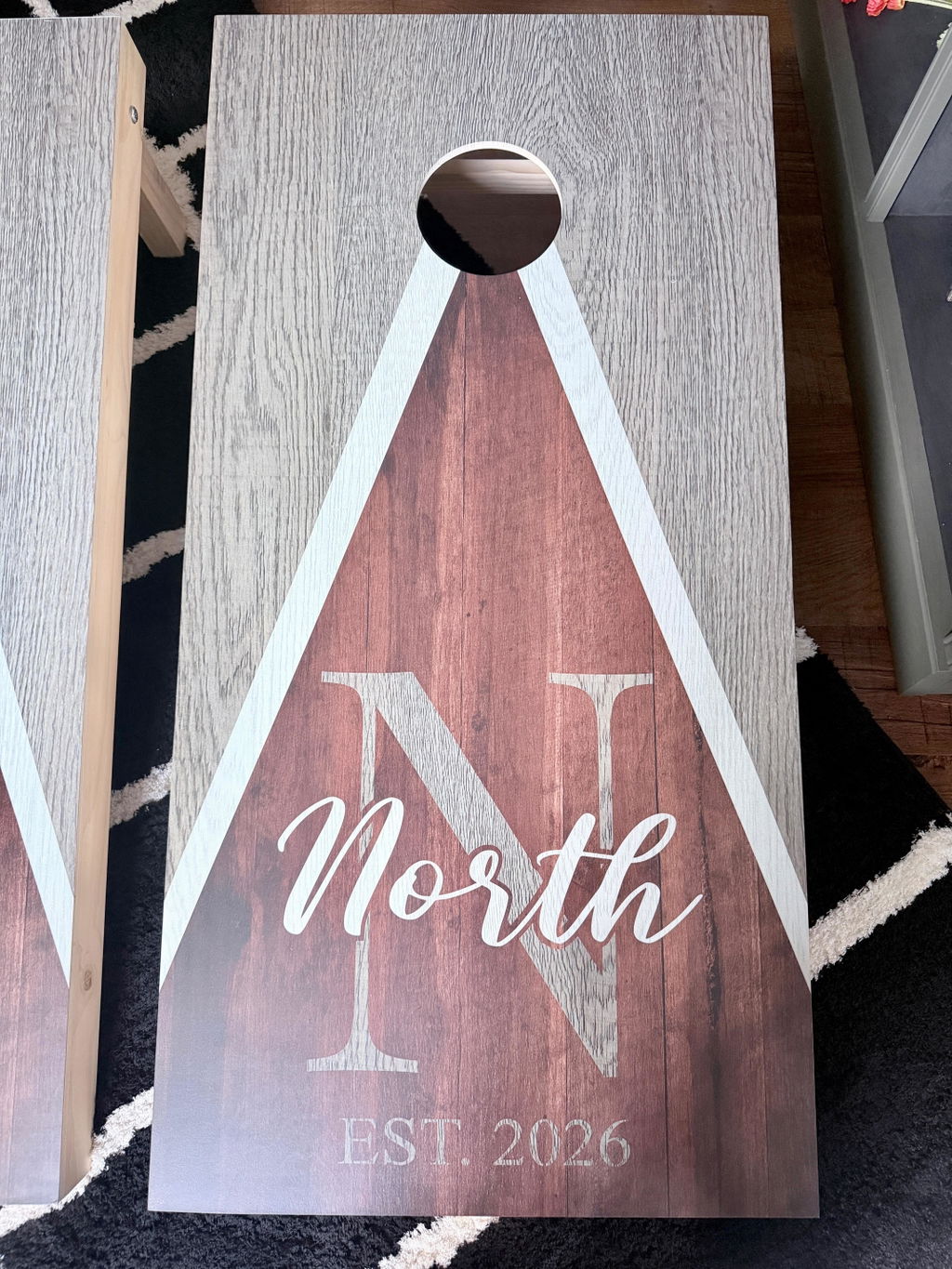
The sound of a resin-filled bag slapping against plywood is the unofficial anthem of summer cookouts. For many, cornhole is a casual pastime best enjoyed with a cold drink in one hand and a burger in the other. It is the great equalizer of lawn games, accessible to toddlers and grandparents alike. Yet, beneath the surface of this relaxed exterior lies a sport with deep strategy, physics, and intense competition.
Turning a friendly backyard toss into a high-stakes competitive environment changes the dynamic entirely. It shifts the focus from luck to precision and transforms casual throwing into a pursuit of mastery. If you are tired of losing to your neighbor or simply want to understand the mechanics behind the perfect airmail shot, it is time to upgrade your approach. This guide explores how to elevate your game, refine your technique, and bring tournament-level intensity to your own backyard.
The Origins of the Game
Understanding the roots of cornhole adds a layer of appreciation to the sport. While the exact origins are murky, several theories compete for the truth. One legend suggests 14th-century German cabinet maker Matthias Kuepermann watched children throwing rocks into a hole and decided to create a safer alternative using wooden boxes and bags of grain. Another theory places the origin in the Blackhawk tribe of Illinois, who filled pigs' bladders with dried beans to play a similar game.
The most widely accepted modern history traces the game to Kentucky farmers in the 1800s. They supposedly used dried corn kernels—hence the name—and tossed them into trash cans or wooden crates to pass the time. Regardless of where it started, the game exploded in popularity around Cincinnati in the late 20th century before spreading through tailgating culture across the United States. Today, organizations like the American Cornhole League (ACL) have standardized the rules and equipment, turning a folk game into a televised professional sport.
Mastering Advanced Techniques
Casual players often just step up and throw, hoping for the best. Competitive players rely on biomechanics and consistency. The first element to address is your stance. A stable base is critical. Many pros prefer a step-throw motion, similar to bowling, where you step forward with the opposite foot of your throwing hand. This generates momentum and keeps the throw straight. Others prefer a stationary planted stance to minimize variable movement.
The grip and release determine how the bag flies. You want the bag to fly flat, like a spinning pancake or a frisbee. A flat bag creates a larger landing surface area, making it more likely to catch the board. More importantly, a flat, spinning bag is less affected by wind and will slide straighter once it hits the wood. To achieve this, hold the bag with your thumb on top and fingers fanned underneath. As you release, keep your wrist flat and let the bag roll off your fingers to generate spin. Avoid the tumbling end-over-end throw, as these kicks unpredictably upon landing.
Strategy separates the tossers from the players. You must learn to play the board. If your opponent has a bag near the hole, you might attempt a push shot, where you slide your bag into theirs, knocking both in. Conversely, if you want to prevent them from scoring, you can throw a blocker bag that lands directly in front of the hole, forcing them to throw over it—an airmail shot—or risk knocking your bag in for you.
Upgrading Your Equipment
If you are playing with slick plastic boards and bags filled with actual corn dust, you are playing a different game than the pros. Standardizing your equipment is the fastest way to improve. Professional boards are made from high-quality Baltic birch plywood. The surface is sanded and finished to provide a consistent slide without being too slippery. Crucially, pro boards have cross-bracing underneath to prevent bounce. When a bag hits a cheap board, it bounces off; on a pro board, it lands dead or slides true.
The bags themselves represent the biggest technological leap in the sport. Professional bags are filled with resin pellets, not corn. Resin does not break down over time, is weather-resistant, and provides a consistent weight and feel. Competitive bags are also dual-sided. One side is made of a slick material for sliding, while the other side is a "stick" material that acts as a brake. This allows players to choose whether they want to slide a bag into the hole or place a strategic blocker that stops on a dime.
Protecting this investment requires a durable cornhole carry bag to transport your gear safely. Moisture and dirt are the enemies of a consistent throw, so keeping your bags dry and organized is essential. A high-quality cornhole carry bag ensures that your resin pellets don't degrade and your fabric stays pristine for the next match.

Rules of Competitive Play
Adopting official rules is necessary for competitive play. The standard distance between the front edges of the boards is 27 feet. In casual play, people often guess the distance or shorten it, but sticking to the regulation length forces you to develop real power and accuracy.
Scoring in competitive cornhole uses the cancellation method. A bag in the hole is worth three points, and a bag on the board is worth one. However, points cancel each other out each inning. If you score five points and your opponent scores three, you win the inning by two points. The game is played to 21. Some purists play that you must hit 21 exactly, and going over drops you back to 15 or 11, but standard tournament play usually allows going over 21 to win. This prevents games from dragging on indefinitely and rewards aggressive scoring.
Drills for Skill Development
Consistent practice requires structure. Simply throwing bags aimlessly will not fix your mechanics. One effective drill focuses purely on the slide. Ignore the hole for a moment and try to land every bag on the front center of the board, sliding it straight up the middle. This reinforces the importance of a flat release. If the bag kicks left or right, you know your release angle is off.
Another essential drill is the airmail practice. Place a blocker bag directly in front of the hole. Your goal is to throw your bags over the blocker and directly into the hole without touching the board first. This high-arc shot is high-risk, high-reward, and necessary when an opponent is playing defensively.
You should also practice the "wash" drill. The objective here is simply to keep all four bags on the board. While three-pointers are great, leaving bags on the board puts pressure on your opponent and builds your point total through attrition. Consistency often beats flashy play.
Creating a Competitive Atmosphere
Building a competitive environment involves more than just you and a board. Engaging others creates the pressure needed to test your skills. You can organize a local league using a round-robin format, ensuring everyone plays everyone else. This tracks win-loss records over weeks, giving players a reason to practice between sessions.
Hosting a tournament brings immediate intensity. Use a double-elimination bracket so that one bad game does not send a player home. This format is standard in the ACL and keeps engagement high. To truly mimic the pro feel, use a scoreboard app on a tablet or TV screen visible to the players. Seeing the score in real-time adds psychological pressure.
Consider the environment as well. Lighting is crucial for evening play. Shadows can obscure depth perception, so investing in ring lights for the boards or overhead floodlights ensures fairness. Even the noise level matters; learning to throw while spectators heckle or music plays helps you develop the mental fortitude required for serious competition.
Becoming the Backyard Champion
Transforming your home cornhole setup from a leisure activity to a competitive arena is a journey of refinement. It begins with respecting the history and nuance of the game and progresses through the acquisition of proper gear and the discipline of practice. By upgrading your boards, utilizing resin bags, and mastering the flat spin, you change the physics of how you play.
Competition is ultimately about testing yourself. Whether you are organizing a neighborhood league or just trying to beat your personal best in practice drills, the pursuit of the perfect toss is rewarding. So, grab your gear, measure out that 27-foot distance, and prepare to dominate the backyard.