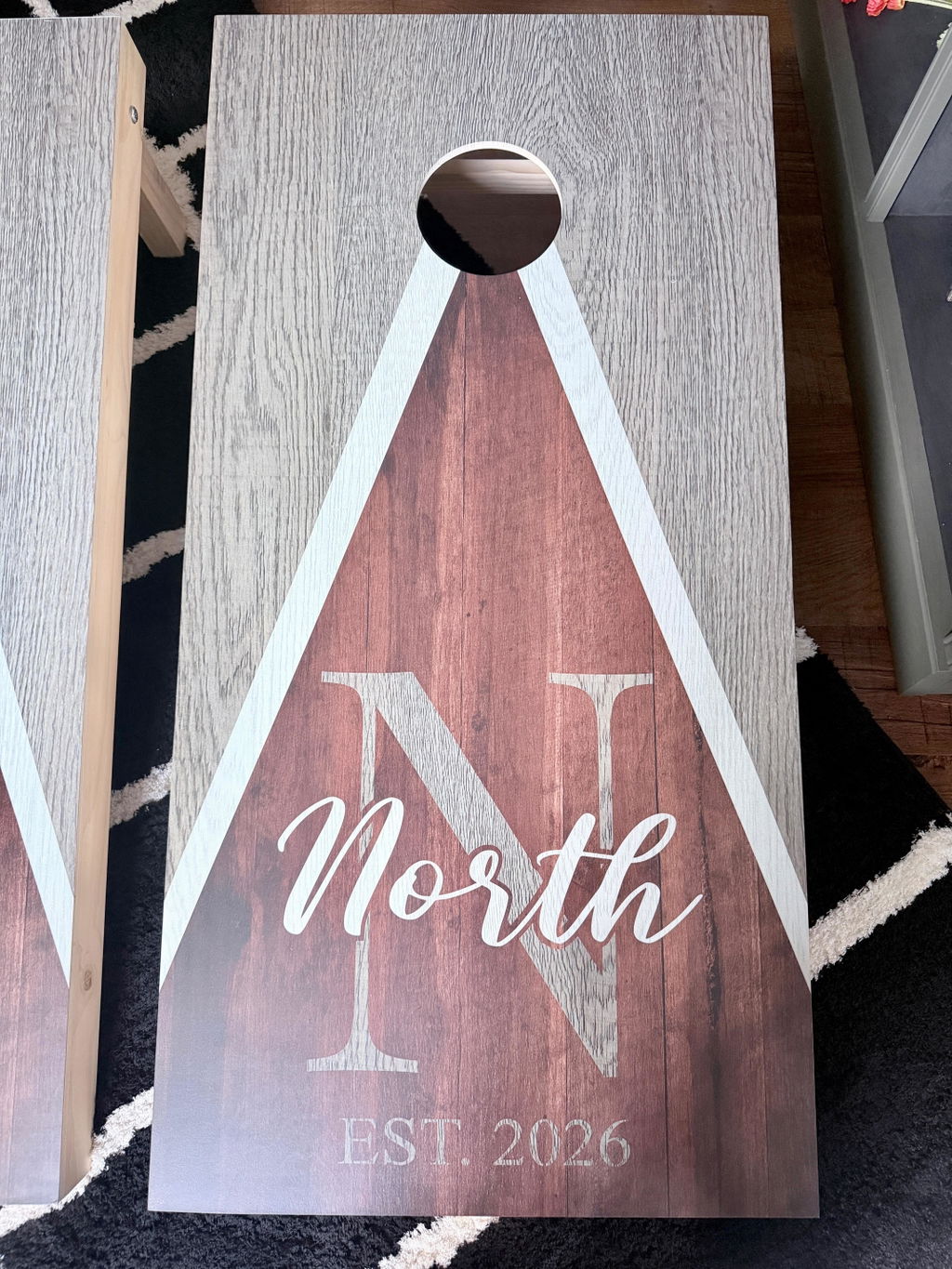
Most people think of cornhole as the ultimate casual pastime. It is the activity you see at tailgate parties, backyard barbecues, and brewery patios. You hold a drink in one hand and a bean bag in the other, enjoying the sunshine and friendly banter. But beneath the relaxed surface of this popular lawn game lies a surprising set of physical and mental demands. While it might look simple, tossing a bag into a small hole from 27 feet away requires precise motor skills and sharp focus.
As the game has exploded in popularity—evolving from a niche Midwest hobby to a televised professional sport—more enthusiasts are discovering its hidden benefits. Regular players often find that their accuracy improves over time, not just on the cornhole court but in other activities as well. This raises an interesting question for anyone looking to sharpen their reflexes: can a leisurely game of cornhole actually train your brain and body to work better together?
The mechanics of the perfect toss
The act of throwing a cornhole bag involves a complex chain of physical events. It starts with visual perception, where your eyes lock onto the target. Your brain calculates the distance, the angle, and the force required to land the bag on the board. This information is then relayed to your muscles, which must execute the throw with fluid motion.
Aiming is the most obvious component of this process. Unlike darts or archery, where you might hold a static pose, cornhole requires dynamic aiming. You are often stepping forward and swinging your arm simultaneously. Your eyes must maintain focus on a specific spot on the board while your body moves, requiring your vestibulo-ocular reflex to stabilize your vision. This constant calibration helps fine-tune the connection between what you see and how your body responds.
Adjusting for distance is another critical skill. A standard cornhole court places the boards 27 feet apart. This is far enough that you cannot simply drop the bag in; you must arc it. Your brain has to instantaneously judge the weight of the bag—roughly 15 to 16 ounces—and determine the exact amount of propulsive force needed. Throw it too hard, and it slides off the back. Throw it too softly, and it lands on the grass. Repeatedly making these micro-adjustments trains your proprioception, or your body’s ability to sense its position and strength in space.
Cognitive boosts beyond the physical
While the physical motion is key, the mental aspect of cornhole is equally important for coordination. Focus is paramount. In a bustling environment with distractions all around, a player must narrow their attention to a six-inch hole. This type of selective attention is like a muscle; the more you use it, the stronger it gets. Maintaining this intense focus while executing a physical task strengthens the neural pathways that govern concentration.
Spatial awareness also gets a workout. You aren't just throwing into a void; you are navigating a 3-dimensional space. You have to consider the trajectory of the bag, the slickness of the board, and obstacles like opponents' bags blocking the hole. Your brain is constantly mapping the environment and predicting outcomes. When you decide to throw an "airmail" shot over a blocker bag or a low slide shot to push another bag in, you are engaging in high-level spatial reasoning.
Strategic thinking adds another layer of complexity. Hand-eye coordination isn't just about hitting a target; it's about hitting a target to achieve a specific goal. You might aim for the front of the board to set up a block, or aim directly for the hole to score points. This requires split-second decision-making where your physical action must align with your strategic intent. This synchronization of thought and action is the hallmark of advanced coordination.

Transferring skills to real life
The benefits of mastering a cornhole game set extend far beyond the backyard. The refined motor skills developed on the court can translate to other sports. For example, the underhand motion and release point in cornhole share biomechanical similarities with bowling or softball pitching. The ability to judge distance and force is crucial in basketball and golf putting. By honing these fundamental skills in a low-impact environment like cornhole, athletes can maintain their touch and precision.
Even driving benefits from these sharpened senses. Driving requires constant monitoring of spatial relationships—how far is the car ahead, is there enough room to merge, exactly how much do I need to turn the wheel? The same spatial awareness and depth perception trained by judging the flight of a bean bag help drivers navigate traffic more safely and effectively.
Every day tasks also become easier. We rarely think about the coordination required to pour coffee into a mug, toss keys onto a hook, or catch a falling object. These are all hand-eye coordination tasks. As you refine your fine motor skills through repetitive throwing, your overall dexterity improves. You may find yourself becoming slightly less clumsy and more efficient in your daily movements, all thanks to the hours spent aiming for that wooden platform.
Practice tips for maximum benefit
To truly reap the coordination benefits, casual play might not be enough. Deliberate practice is key. Start by focusing on your form. Ensure your arm swing is straight and your release point is consistent. Aim for the exact center of the hole every time, rather than just trying to land anywhere on the board. This forces your brain to be more precise rather than settling for "good enough."
Vary your throws to challenge your brain. Don't just practice the standard slide shot. Practice high-arcing airmail shots, low line drives, and even throwing with your non-dominant hand. Using your off-hand is a fantastic way to build new neural connections and improve overall body symmetry. It will feel awkward at first, but it forces your brain to work harder to coordinate the movement.
Finally, play in different conditions. Wind, sun, and different board surfaces all force you to adapt your aim and force. This variability prevents your brain from operating on autopilot. By constantly challenging your coordination systems with new variables, you ensure that your skills remain sharp and adaptable. So next time you pick up a bag, remember that you aren't just playing a game; you are engaging in a sophisticated workout for your brain and body.