The distinctive thud of a beanbag hitting a wooden platform has become the soundtrack of American leisure. From tailgate parties in stadium parking lots to relaxed family barbecues in the backyard, cornhole has cemented itself as a staple of outdoor entertainment. While the game itself is simple—toss a bag into a hole for points—the vessel upon which it is played requires a surprising amount of craftsmanship.
A high-quality cornhole board is more than just a piece of plywood propped up on an angle. It is a carefully constructed piece of sports equipment designed to provide a consistent bounce and the perfect amount of slide. Understanding how these boards are manufactured offers insight into why some boards last for decades while others warp after a single season. Whether you are a woodworker looking to build your own set or an enthusiast curious about the manufacturing process, exploring the anatomy of a cornhole board reveals the dedication required to create the perfect pitch.
Selecting the Right Materials
The journey of a professional-grade cornhole board begins long before the saw touches the wood. The selection of materials dictates the durability and playability of the final product. Manufacturers generally avoid particle board or MDF because these materials tend to swell with moisture and lack the structural integrity needed for repeated impact. Instead, the industry standard for the playing surface, or the deck, is high-grade plywood. Baltic birch is often the preferred choice due to its smooth finish and minimal voids, ensuring a consistent surface that allows the bags to slide without snagging.
Beneath the deck lies the frame. This structure is typically crafted from solid wood, such as pine or spruce two-by-fours. These woods offer the necessary weight to keep the board stationary during gameplay while remaining light enough to transport. Hardware selection is equally critical. High-quality screws, often pocket hole screws, are used to hide fasteners from view and create a seamless look. Finally, the finish requires durable wood glue, wood filler for any imperfections, and a high-gloss polyurethane or varnish to protect the wood and provide that essential slick surface.
Cutting and Assembling the Structure
Construction begins with measuring and cutting the deck. Regulation boards require a playing surface that measures exactly two feet wide by four feet long. Precision is paramount here, as even a slight deviation can affect the game. Once the rectangle is cut, the most crucial incision is made: the hole. A six-inch diameter circle is cut into the board, centered exactly nine inches from the top edge and twelve inches from either side. Manufacturers often use a hole saw or a CNC router to ensure a perfectly smooth circle, as a jagged edge can tear bags and ruin the game.
Following the preparation of the deck, the frame comes together. The two-by-fours are cut to match the dimensions of the plywood top. These pieces are assembled into a rectangular box using wood glue and screws. A cross-brace is often added to the middle of the frame to prevent the plywood from bouncing or bowing when a heavy bag lands in the center of the board.
The marriage of the deck to the frame follows next. The plywood is laid atop the wooden box, and a generous bead of glue is applied to the contact points. Screws or nails are driven through the top of the plywood into the frame. In high-end manufacturing, these fasteners are often countersunk—driven slightly below the surface of the wood—so they can be covered with filler later, creating a completely smooth playing field.
Creating the Legs and Getting the Angle Right
The legs are perhaps the most deceptive part of the build. They are not merely supports but the components that determine the regulation slope of the board. The back of a cornhole board must sit exactly twelve inches off the ground, while the front rests on the ground. To achieve this, the legs are cut to a specific length and often rounded at the top to allow them to fold inside the frame for storage.
Attaching the legs involves drilling a hole through the frame and the leg, then securing them with a carriage bolt, washer, and wing nut. This hardware configuration allows the legs to pivot smoothly. The bottom of the leg is then cut at a specific angle so that it sits flush with the ground when extended. This angle ensures stability; if the leg does not sit flat, the board will wobble every time a bag lands, frustrating players and compromising the integrity of the match.
Sanding and Smoothing for the Perfect Slide
Once the physical construction is complete, the focus shifts to texture. A raw wood board is too rough for gameplay, as friction will stop the bag immediately upon landing. The goal is to achieve a surface that is smooth as glass. The process begins with coarse-grit sandpaper to level out any uneven joints or wood filler used to cover screw heads.
Builders then progress to medium and fine-grit sandpapers, going over the entire board, including the frame and legs. Special attention is paid to the inside of the hole and the outer edges of the board. These areas are rounded over with a router or sanded aggressively to remove sharp corners that could damage the bean bags or injure players carrying the boards. The sanding phase is laborious but essential, as it prepares the wood to accept the paint and finish uniformly.
Painting, Personalization, and Finishing
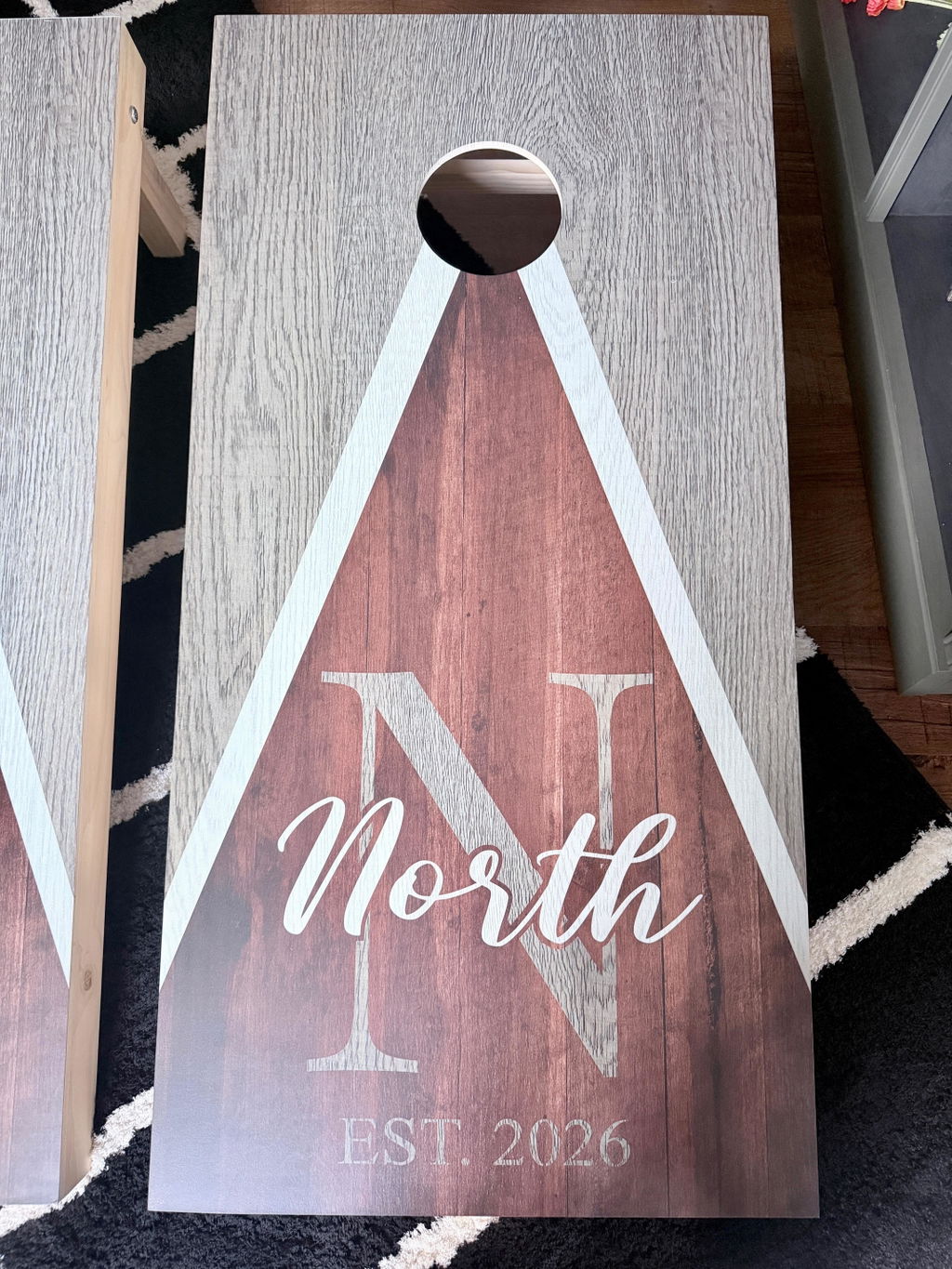
With a smooth canvas prepared, the board is ready for aesthetic treatments. This stage transforms a simple wooden box into a piece of personalized art. A primer coat is usually applied first to seal the wood and ensure the topcoats adhere properly. Following the primer, manufacturers apply several coats of high-quality paint. Design options are limitless, ranging from classic triangles and stripes to complex logos and team colors.
This is the stage where branding and specific themes come into play. Many enthusiasts look for specific themes, often replicating the designs found on official Coors & Miller Cornhole Boards, which feature iconic brewery logos and crisp, refreshing color palettes. These branded boards are highly sought after for man caves and bar patios, serving as both a game and a statement piece. Whether applying a vinyl wrap or hand-painting a design, the visual appeal is a massive part of the board's value.
The final and most critical step in the manufacturing process is the clear coat. Multiple layers of polycrylic or polyurethane are applied over the paint or decals. This clear coat serves two purposes: it protects the artwork from UV rays and moisture, and it creates the specific friction coefficient needed for the game. Manufacturers will often sand lightly between coats of poly to ensure a flawless, debris-free finish.

Tips for Maintaining Your Boards
Even the most expertly crafted cornhole boards require care to maintain their performance and longevity. Moisture is the enemy of wood. Boards should never be left outside in the rain or stored in damp environments, as water can cause the plywood to delaminate and the frame to warp. Store the boards in a cool, dry place, such as a garage or a closet, when not in use.
Periodic cleaning is also necessary. Wipe the boards down with a damp cloth to remove dirt, grass, and spilled drinks after a day of play. Avoid harsh chemicals that could strip the clear coat. Over time, the slick finish may begin to wear down from the friction of the bags. A light sanding with fine-grit paper followed by a fresh coat of polyurethane can restore the board to its original glory, ensuring the slide remains consistent for years to come.
Bringing the Game Home
The process of making cornhole boards is a blend of carpentry, engineering, and art. From the structural integrity of the birch plywood to the precise angle of the legs and the artistic application of the final clear coat, every step is deliberate. These boards are built to bring people together, fostering friendly competition and creating memories. Whether you are playing on a custom DIY set or tossing bags at professionally branded boards, appreciating the construction adds a new layer of enjoyment to the game.