Summer gatherings, family reunions, and backyard barbecues call for entertainment that brings people together. While many lawn games compete for space in your backyard, cornhole has emerged as the undisputed champion of outdoor fun. But how does it compare to other popular lawn games? We're breaking down the competition to help you make the best choice for your next outdoor event.
The Rise of Cornhole: America's Favorite Lawn Game
Cornhole has transformed from a regional pastime to a national obsession. Professional leagues, televised tournaments, and even NCAA team competitions have elevated this simple game to new heights. The American Cornhole League now boasts thousands of players, and major universities sponsor cornhole teams alongside traditional sports programs.
What makes cornhole so special? The game combines skill, strategy, and social interaction in a way that few other lawn games can match. Players of all ages and skill levels are welcome to participate, making it the perfect choice for diverse gatherings.
Breaking Down the Competition
Cornhole: The Gold Standard
Cornhole's popularity stems from its perfect balance of simplicity and skill. The game requires minimal setup—just two boards and eight bags. Players toss bean bags toward a raised platform with a hole, scoring points for bags that land on the board or go through the hole.
The beauty of cornhole lies in its accessibility. A child can play alongside grandparents, and beginners can compete with seasoned players. The game develops hand-eye coordination, strategic thinking, and provides consistent entertainment without overwhelming complexity.
Professional cornhole has reached remarkable heights, with ESPN broadcasting tournaments and prize pools reaching six figures. This mainstream recognition has driven demand for high-quality equipment that meets official specifications.
Horseshoes: The Traditional Choice
Horseshoes hold a special place in American lawn game history. Players toss horseshoes toward stakes, aiming for ringers or close throws. The game requires more physical strength than cornhole and poses potential safety concerns with heavy metal horseshoes.
While horseshoes offer nostalgia and tradition, they present challenges for modern gatherings. The heavy equipment makes transportation difficult, and the skill curve can be steep for newcomers. Setting up a proper horseshoe pit requires specific measurements and sand or clay surfaces.
Ladder Ball: The Rope-Slinging Alternative
Ladder ball, also known as ladder golf, involves throwing bolas (two balls connected by a rope) at a three-rung ladder structure. Players score points based on which rung their bolas wrap around.
This game offers unique gameplay mechanics and visual appeal. However, ladder ball requires more storage space than cornhole and can be frustrating for players who struggle with the specific throwing technique required for successful bola wrapping.
Kan Jam: The Frisbee-Based Option
Kan Jam combines frisbee throwing with target-based scoring. Players attempt to throw or deflect discs into cans, with teammates allowed to redirect throws. The game emphasizes teamwork and frisbee skills.
While Kan Jam provides exciting gameplay, it demands more athletic ability than cornhole. The frisbee throwing technique excludes some players, and wind conditions can significantly impact gameplay quality.
Bocce Ball: The Precision Game
Bocce ball requires players to roll heavy balls toward a target ball called a pallino. The game emphasizes precision and strategy, with players able to knock opponents' balls away from the target.
Bocce ball offers sophisticated gameplay but requires a large, flat playing surface. The heavy balls make transportation challenging, and the game can be difficult for players with mobility limitations.
Washers: The Compact Alternative
Washers involves tossing metal washers toward boxes or cups, scoring points for successful throws. The game offers portability and simple rules, but lacks the visual appeal and mainstream recognition of cornhole.
The small playing pieces in washers can be easily lost, and the game doesn't accommodate large groups as effectively as cornhole.
Why Cornhole Dominates the Lawn Game Market
Universal Appeal and Accessibility
Cornhole's greatest strength lies in its universal appeal. The underhanded throwing motion feels natural to most people, and the scoring system remains straightforward without being simplistic. Players can participate regardless of age, physical ability, or previous experience.
The game scales beautifully from casual backyard fun to competitive tournament play. Families can enjoy relaxed games while serious players can develop advanced strategies and techniques. This versatility has contributed to cornhole's adoption by everyone from summer camp programs to professional sports leagues.
Superior Portability and Storage
Quality cornhole boards fold for easy transport and storage. A complete set fits in most vehicle trunks, making it ideal for tailgating, camping, and beach trips. The lightweight bean bags pack efficiently and won't cause damage if accidentally thrown too hard.
Compare this to horseshoes, which require heavy metal components, or bocce ball, which needs multiple heavy balls and specific playing surfaces. Cornhole's practical advantages make it the obvious choice for event planners and recreation coordinators.
Safety and Venue Flexibility
Cornhole presents minimal safety risks compared to other lawn games. Soft bean bags won't cause injury if they accidentally hit someone, and the game can be played on various surfaces without modification. Grass, sand, pavement, or indoor spaces all work well for cornhole.
Horseshoes pose obvious safety concerns with heavy metal projectiles. Ladder ball's bolas can cause injury if they hit someone, and the ladder structure can tip over. Cornhole's inherent safety makes it suitable for all environments and age groups.
Professional Recognition and Growth
The explosion of professional cornhole has legitimized the game in ways that other lawn games haven't achieved. Major television networks broadcast tournaments, colleges sponsor teams, and professional players earn significant prize money. This mainstream recognition has driven innovation in equipment quality and game presentation.
NCAA team competitions have introduced cornhole to college campuses nationwide, creating a new generation of enthusiasts. The structured tournament format and official rules provide a clear pathway from casual play to competitive participation.

Equipment Quality: The Foundation of Great Gameplay
Construction Standards That Matter
Professional-grade cornhole boards must meet specific construction standards to ensure consistent gameplay. Regulation boards measure exactly twenty-four inches wide by forty-eight inches long, with a six-inch hole positioned nine inches from the back edge and twelve inches from each side.
The playing surface requires precise angles and smooth finishes to allow bags to slide naturally. Cheap boards with rough surfaces or incorrect angles frustrate players and diminish the game experience. Quality construction ensures that skill development translates across different board sets.
Materials Make the Difference
Premium cornhole boards utilize high-quality plywood or composite materials that resist warping and weather damage. The surface treatment affects bag slide and durability, with proper finishes providing years of consistent performance.
Bean bags deserve equal attention to quality. Regulation bags weigh exactly sixteen ounces and measure six inches square. Duck cloth fabric provides the ideal balance of durability and slide characteristics, while proper corn fill ensures consistent weight distribution.
Customization Options
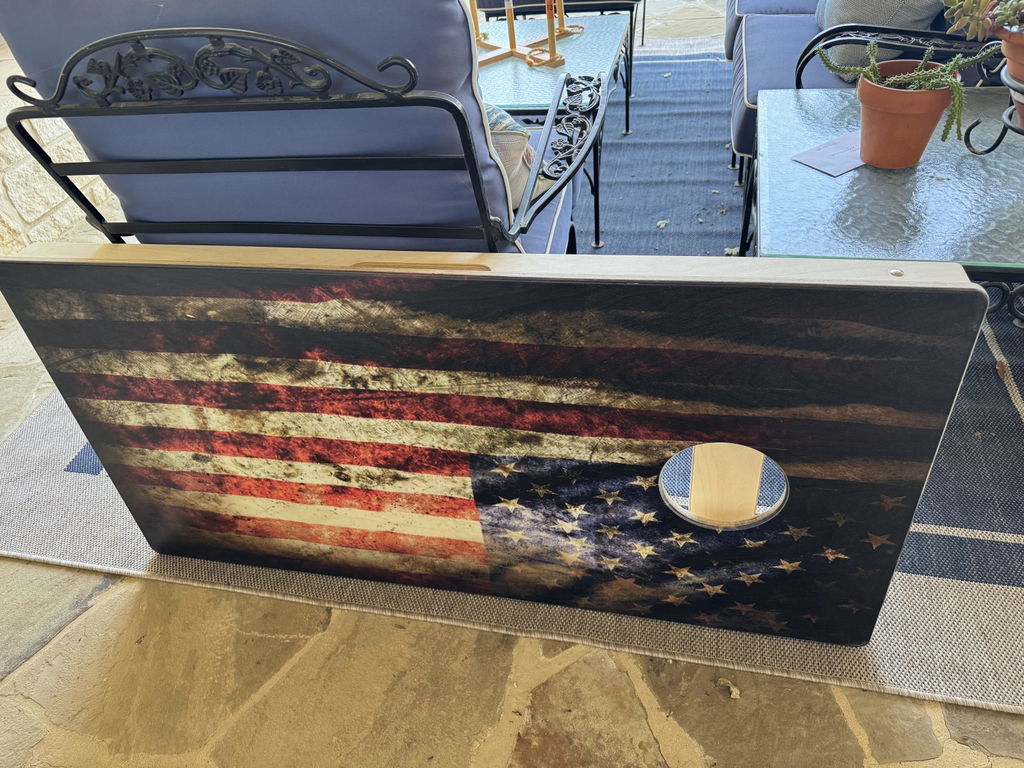
Quality manufacturers offer extensive customization options that transform cornhole boards into personalized statements. Team logos, family names, custom graphics, and unique color schemes allow players to create boards that reflect their personality and preferences.
Professional printing techniques ensure that custom designs withstand weather and regular use. High-quality boards maintain their appearance through countless games and various weather conditions.
Making the Right Choice for Your Needs
Event Planning Considerations
Event planners consistently choose cornhole because it satisfies diverse groups without complicated setup requirements. The game works equally well for corporate events, family reunions, wedding receptions, and community festivals.
Consider your audience when selecting lawn games. Cornhole accommodates all age groups and skill levels simultaneously, while other games may exclude certain participants. The social nature of cornhole encourages interaction and creates memorable experiences.
Investment Value
Quality cornhole sets represent excellent long-term investments. Durable construction ensures years of use, and the game's growing popularity means your investment will remain relevant. Cheap alternatives often require replacement within a season, making quality equipment more economical over time.
Professional-grade boards maintain their value and can be passed down through generations. The combination of durability, timeless appeal, and quality construction makes cornhole equipment a smart purchase for any outdoor entertainment budget.
Your Next Step to Backyard Excellence
Cornhole has earned its position as America's premier lawn game through superior gameplay, universal appeal, and practical advantages. While other games offer their own unique experiences, none match cornhole's combination of accessibility, portability, safety, and competitive potential.
The decision comes down to what matters most for your outdoor entertainment needs. If you want a game that brings people together, travels easily, and provides years of reliable fun, cornhole stands alone as the clear choice. Quality equipment makes all the difference in your cornhole experience, so choose boards and bags that meet professional standards and reflect your style.
Ready to join the millions of Americans who have discovered cornhole's magic? Your backyard championship awaits.