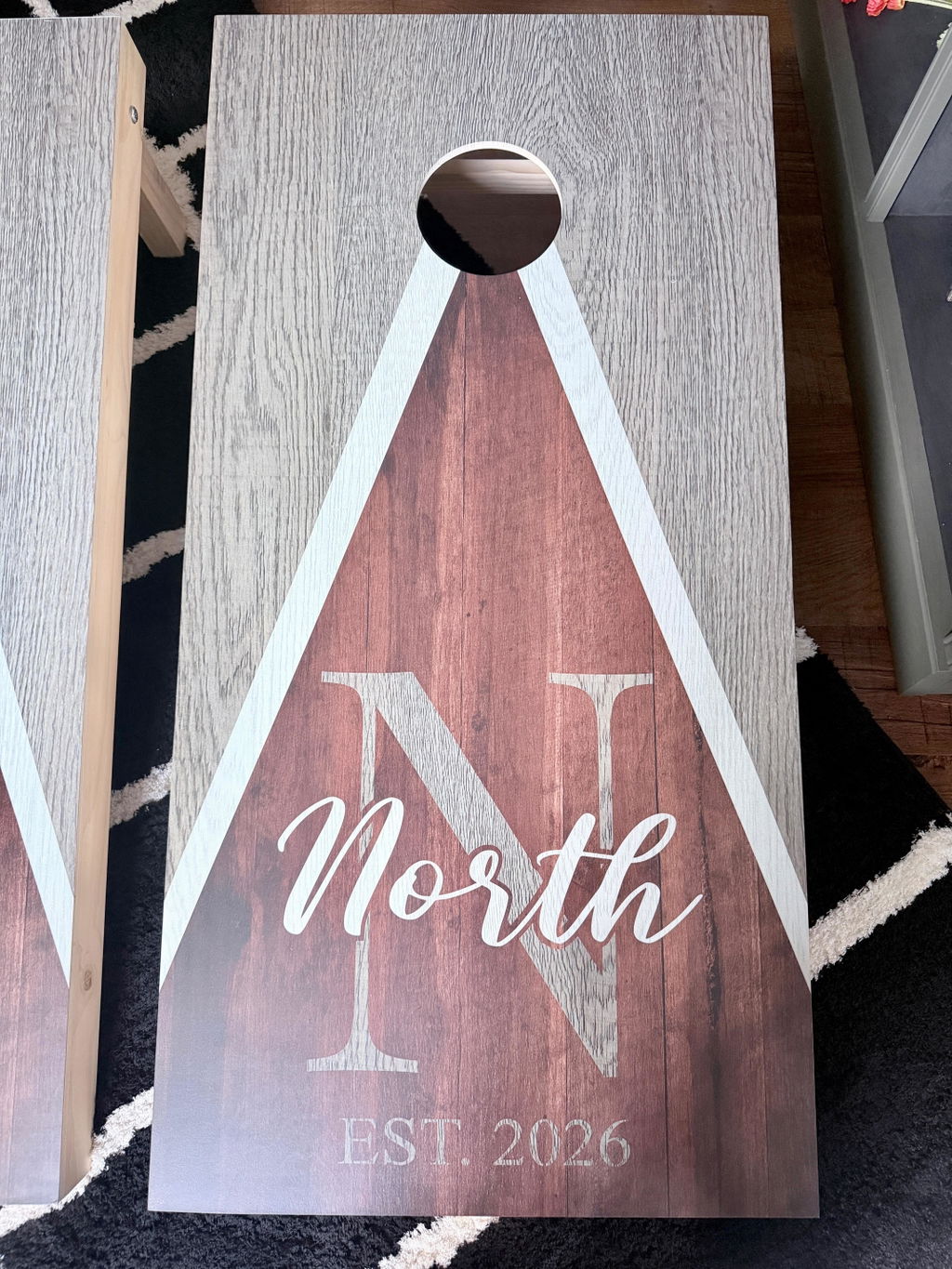
We all love the thud of a bag hitting the board. There is something satisfying about a perfect slide into the hole that keeps us coming back for more. But if you are tired of hovering around the same average score game after game, it might be time to take a different approach. Casual play is fun, but intentional improvement is where the real excitement begins. Setting specific goals for the upcoming season can transform your time on the pitch from a simple pastime into a journey of mastery.
Improvement rarely happens by accident. It requires a roadmap. Without a clear destination, you are just tossing bags. With a plan, you are training. Whether you want to dominate your backyard barbecues or make a splash in a local league, defining what success looks like is the first step toward achieving it.
Know Where You Stand
Before you can figure out where you are going, you need to know where you are starting. Be honest with yourself about your current skill level. Are you consistently hitting the board but struggling to find the hole? Do you have a killer airmail shot but fall apart when the pressure is on? Take some time during your next few practice sessions to track your stats. Note your average points per round and your four-bagger percentage.
Identifying your weaknesses is just as crucial as recognizing your strengths. Perhaps your slide shot is solid, but your block game needs work. Maybe you struggle with consistency when the boards are slightly slick or sticky. Pinpointing these specific areas gives you a baseline. This honest assessment prevents you from wasting time practicing things you have already mastered and focuses your energy where it will make the most impact.
The Power of SMART Goals
Vague ambitions like "get better" or "win more games" are difficult to act on. To see real progress, you need to sharpen your focus using the SMART framework. This method ensures your objectives are Specific, Measurable, Achievable, Relevant, and Time-bound.
Instead of saying you want to improve your accuracy, set a goal to increase your points per round average by one point over the next month. This is specific and measurable. If you are currently averaging six points per round, aiming for seven is achievable with focused practice. It is relevant because it directly impacts your ability to win games. Finally, setting a one-month deadline gives you a sense of urgency.
Another example might be mastering the airmail shot. You could decide to hit ten airmails in a row by the end of the season. This clear target gives you a concrete metric to chase during every practice session. When your goals are this defined, you no longer have to guess if you are improving. The numbers will tell the story.
Building Your Practice Plan
A goal without a plan is just a wish. Once you have your targets set, you need a routine to get you there. Showing up and throwing casually won't cut it if you want to see significant changes. You need to structure your practice time to address the specific SMART goals you have created.
If your goal is to improve consistency, dedicate the first twenty minutes of every session to throwing standard slide shots without worrying about blocking or airmailing. Focus purely on mechanics and muscle memory. If you are working on your mental game, simulate high-pressure situations. Challenge a friend to a game where the loser has to buy the next round or do pushups. This adds a layer of consequence that mimics tournament pressure.
Consistency in your schedule is key. Committing to three focused thirty-minute sessions a week is often more effective than one marathon session on the weekend. Your muscles need frequent repetition to build memory, and your brain needs regular reinforcement to lock in new techniques.
Tracking and Adjusting
The road to improvement is rarely a straight line. There will be weeks where you feel unstoppable and weeks where you can't seem to find the board. This is why monitoring your progress is essential. Keep a practice journal or use an app to log your scores and notes after every session.
Reviewing this data helps you spot trends. You might notice that your accuracy dips after thirty minutes, suggesting fatigue is a factor. Or perhaps you play significantly better on wooden boards compared to composite ones. When you see these patterns, be ready to pivot. If a particular drill isn't yielding results after a few weeks, swap it out for something else. Flexibility is a strength. Sticking rigidly to a plan that isn't working is a recipe for frustration.
Staying Motivated Through the Slumps
Every player hits a plateau. You might spend a month working hard only to see your average score stagnate. It is easy to get discouraged when the results don't match the effort immediately. During these times, remind yourself why you started. Focus on the love of the game of cornhole and the camaraderie of the community.
Find ways to keep things fresh. varying your practice partner or entering a tournament outside your usual area can reignite your passion. Watching professional matches can also be incredibly inspiring. Seeing the pros execute difficult shots can give you new ideas to try and remind you of the high ceiling of the sport. Remember that setbacks are part of the process. Every missed shot is data that teaches you how to adjust for the next one.

Celebrating the Wins
Finally, do not forget to celebrate your successes. Did you finally hit that four-bagger you have been chasing? Did you beat your personal best average for the week? Acknowledge these victories, no matter how small they seem. They are proof that your hard work is paying off.
Celebration fuels motivation. When you reach a milestone, take a moment to enjoy it before setting your sights on the next target. This positive reinforcement creates a cycle of success that keeps you hungry for more. As the season closes, look back at where you started. The player who walked onto the pitch on day one should look very different from the one finishing the season. That growth is the ultimate reward.
Elevate Your Game
Setting goals for your cornhole season changes the dynamic of how you play. It turns random outcomes into calculated improvements. By assessing your skills, applying the SMART framework, and committing to a structured practice plan, you take control of your development. The game of cornhole is simple to learn but difficult to master. Embracing that challenge with clear intentions is the best way to ensure that this season is your best one yet.