Walk across the quad of almost any American university on a sunny afternoon, and you are likely to hear a familiar, rhythmic sound. It is the distinct thud of a resin-filled bag hitting a wooden platform, followed by the cheer or groan of a gathered crowd. While frisbees and footballs have long held court on college lawns, a new king has emerged in recent years. Cornhole has transcended its reputation as a simple backyard pastime to become a defining element of the modern college experience.
From casual games between classes to high-stakes intramural tournaments, the bean bag toss game has infiltrated campus culture entirely. It serves as an icebreaker for freshmen, a stress reliever during finals week, and a central pillar of game-day festivities. The game is deceptively simple, requiring nothing more than two boards, eight bags, and a little bit of aim, yet it has captured the competitive spirit of students nationwide. Understanding why this specific game has taken such a strong hold requires looking at the unique blend of accessibility, social connection, and competition that defines university life.
The Secret to the Social Toss
The primary driver behind cornhole’s explosion on college campuses is its incredibly low barrier to entry. Unlike pickup basketball or touch football, which require a certain level of athletic ability and physical exertion, cornhole is accessible to everyone. It levels the playing field, allowing the star quarterback to play against the president of the chess club with a reasonable chance of a competitive match. This inclusivity makes it the perfect social lubricant. Students do not need to change into gym clothes or worry about breaking a sweat before their next lecture; they can simply walk up, grab a bag, and join the fun.
Furthermore, the pacing of the game is perfectly suited for conversation. The rhythm of throwing and retrieving bags allows for pauses where players can chat, joke, and get to know one another. In an environment where students are constantly meeting new people, an activity that facilitates conversation rather than stifling it is invaluable. You can hold a beverage in one hand and toss with the other, making it the ideal centerpiece for social gatherings where the main goal is hanging out rather than intense physical competition.
Game Day Rituals and Tailgate Tradition
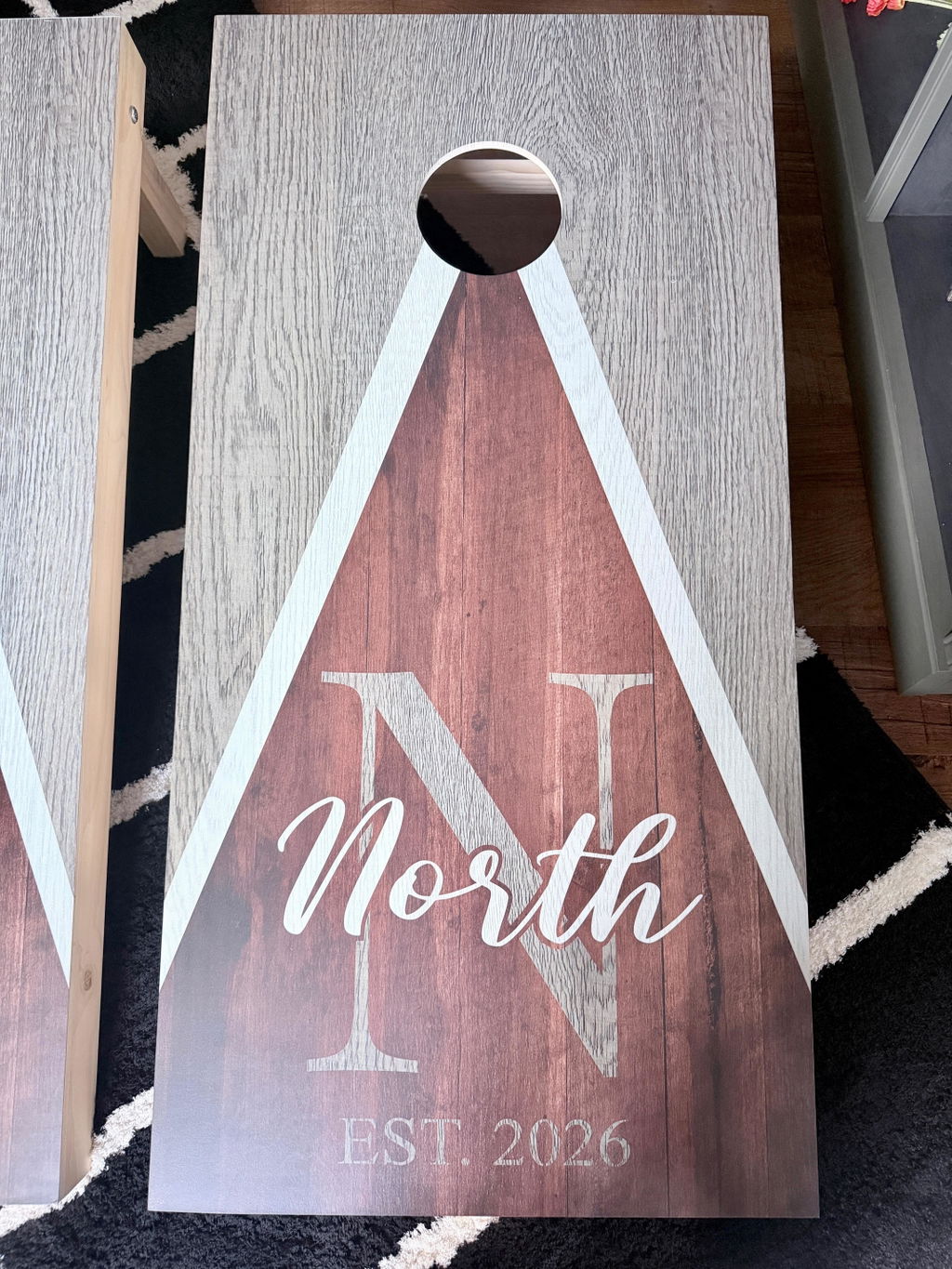
Nowhere is the dominance of cornhole more visible than in the parking lots of college stadiums on game day. Tailgating is a time-honored tradition, and the setup has evolved from simple grills and coolers to elaborate entertainment zones. In this environment, tailgate cornhole boards have become as essential as the hot dogs and burgers. Fans paint their boards in school colors, plaster them with mascot decals, and treat them as badges of pride. The boards serve as a gathering point, drawing in wandering alumni and rival fans alike for friendly matches before kickoff.
The integration of cornhole into the tailgate experience speaks to the game's portability and durability. It can be set up on asphalt, grass, or gravel without affecting the gameplay significantly. For students organizing their own pre-game festivities, the game offers a structured activity that keeps energy levels high. It channels the competitive excitement of the upcoming football or basketball game into a participatory event where the fans get to be the athletes, if only for a few innings.
A Staple of Greek Life and Campus Clubs
Beyond the open quads and parking lots, cornhole has found a permanent home within fraternities, sororities, and student organizations. For Greek life, the game is a staple of recruitment events and philanthropy fundraisers. A charity cornhole tournament is one of the easiest and most effective ways to raise money. It requires minimal overhead, is easy to organize, and attracts participants who might not sign up for a 5K run or a bake sale. The game’s ability to scale from a casual hangout to a structured bracket tournament makes it a versatile tool for student leaders.
Residential advisors in dormitories also utilize the game to foster community on their floors. A set of boards in the common room or the courtyard invites students out of their rooms and into shared spaces. It breaks down the isolation that can sometimes accompany the transition to college life. When a game is in progress, it naturally draws spectators, creating a spontaneous community hub where roommates bond and rivalries are born.
Tales from the Boards
Ask any senior about their cornhole experiences, and you will likely hear stories that highlight the game's unique role in their social development. There is the common tale of the "Freshman Connector," the student who arrived on campus knowing no one but brought a set of boards to the dorm lawn. Within an hour, a crowd had formed, phone numbers were exchanged, and lifelong friendships were forged over a shared winning streak. The game served as a silent invitation, signaling that everyone was welcome to join.
Other students recount legendary rivalries that spanned entire semesters. These are not professional athletes, but roommates who kept a running tally of wins and losses on a whiteboard on their fridge. The stakes might have been as low as who had to take out the trash or buy the next round of late-night pizza, but the intensity rivaled a championship match. These anecdotes reveal that the game is rarely just about the score; it is about the memories created during the hours spent playing. The sound of the bags hitting the wood becomes the background noise to the formative years of young adulthood.
Bringing the Game to Your Campus
For students looking to establish a cornhole presence on their campus, the process is straightforward but requires some planning. The first step is identifying the right location. You need a flat, open space that sees high foot traffic but is far enough away from quiet study zones to avoid complaints. The grassy areas near the student union or the open spaces between dorms are usually ideal. Permission from campus groundskeeping or student activities offices may be required, so it is wise to check local regulations before setting up a permanent court.
Acquiring the right equipment is the next priority. While cheap plastic sets are available, they rarely withstand the enthusiastic abuse of college play. Investing in regulation-sized wooden boards and durable, double-stitched bags ensures the gear lasts through four years of heavy use. Many student groups choose to build their own boards as a bonding activity, customizing them with inside jokes or organization logos. Finally, establishing a regular schedule, such as "Toss Tuesdays," helps build momentum and ensures that people know when and where to show up for a game.
From Pastime to Pro
While most college students play for fun, a growing number are taking the game seriously. The rise of the American Cornhole League (ACL) and its collegiate division has legitimized the sport, offering a pathway for talented players to compete on a national stage. College students are now forming official club sports teams, donning jerseys, and traveling to compete against other universities for scholarship money and bragging rights.
This shift toward competitive play has added a new layer to the college cornhole ecosystem. It validates the time students spend practicing and elevates the activity from a lazy afternoon distraction to a pursuit of excellence. Students who might not have found a home in traditional varsity sports are finding glory on the cornhole court. Broadcasts of collegiate championships on major sports networks have turned campus heroes into minor celebrities, further fueling the game's popularity among the student body.
Cornhole is Here to Stay
The image of students huddled around wooden boards, tossing bags through the air, has become as iconic to the college aesthetic as the library tower or the football stadium. Cornhole has secured its place in university culture because it meets the fundamental needs of the student body: connection, relief from academic pressure, and a sense of belonging. It is a game that demands little but gives back much in the form of laughter, friendship, and friendly competition. Whether played on a patch of grass between classes or in the shadow of a massive stadium on game day, cornhole brings people together, one toss at a time.