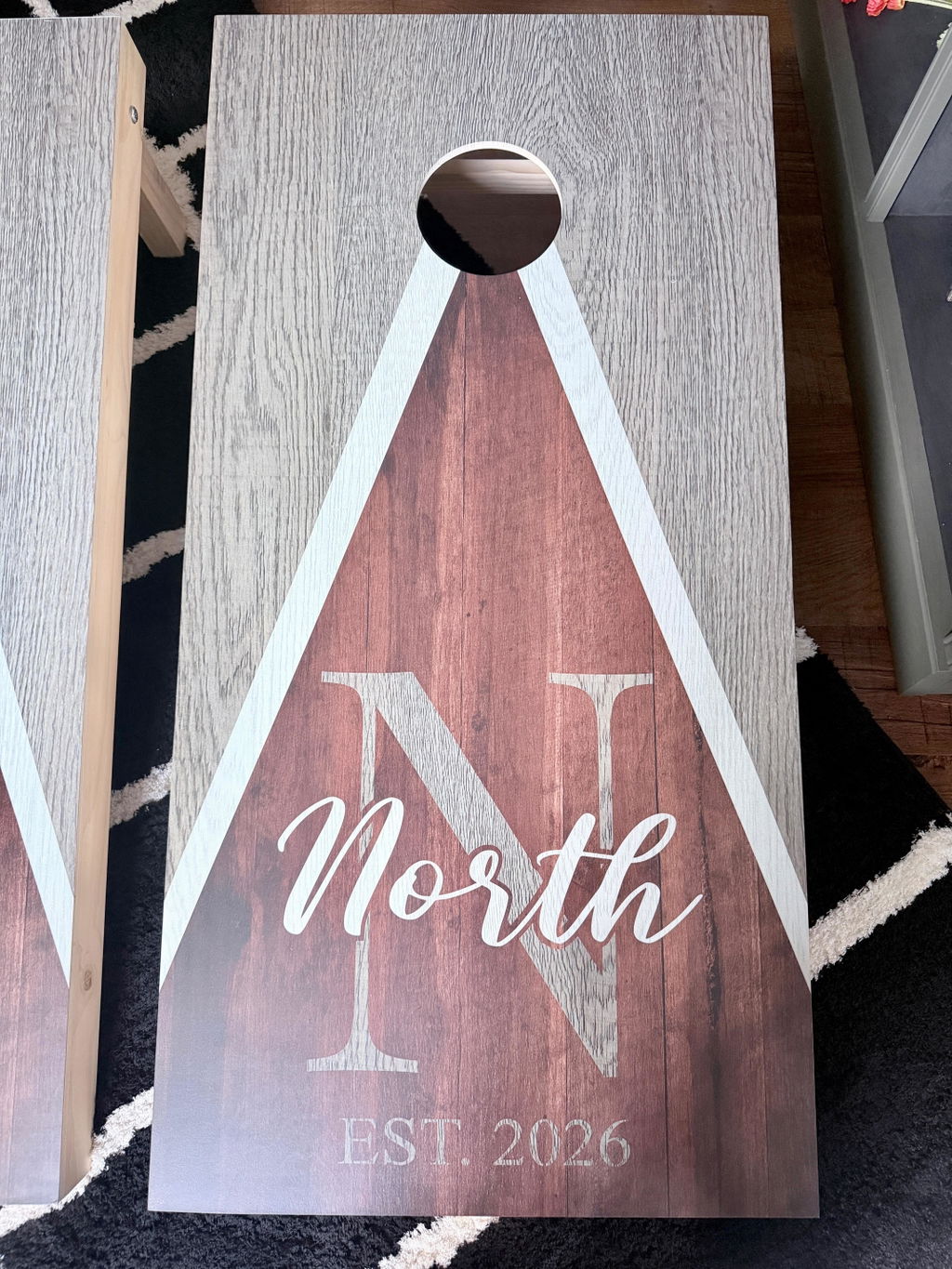
Cornhole has exploded in popularity over the last decade, transforming from a niche Midwestern pastime into a backyard staple across the nation. It is easy to see why the game is so beloved. The rules are simple, the equipment is minimal, and the thrill of sinking a bag into the hole is universally satisfying. While often associated with tailgates and breweries, cornhole is also an ideal activity for seniors. It provides low-impact physical exercise, stimulates hand-eye coordination, and offers a fantastic excuse to get outside.
However, the official regulation rules can sometimes pose challenges for older adults, particularly those with limited mobility, balance issues, or reduced strength. The standard distance can feel like a marathon throw, and the repetitive bending to retrieve bags can be strenuous. Fortunately, the game is incredibly adaptable. With a few simple modifications to the rules and setup, cornhole becomes an inclusive activity that seniors of all ability levels can enjoy safely. By focusing on fun rather than strict competition, we can ensure that everyone gets to participate in the excitement.
Adapting the Standard Game for Accessibility
The official rules of cornhole call for the boards to be placed twenty-seven feet apart, front to front. For many seniors, hurling a one-pound bag nearly thirty feet requires a level of shoulder strength and stability that may not be comfortable. Furthermore, the game typically requires standing, which excludes those who use wheelchairs or cannot stand for long periods.
Adaptation starts with flexibility. The goal is to match the game to the players, not the players to the game. This might mean ignoring the official league standards in favor of "house rules" that prioritize comfort. Using high-quality equipment can also help. For instance, using pro cornhole bags that feature a resin pellet fill can be beneficial. These bags often have a better feel in the hand and slide more consistently on the board, making it easier for seniors to land a shot without needing excessive force. The key is to establish these adapted rules before the first bag is thrown, so everyone feels they are playing on a level field.

Seated Cornhole: A Game for Everyone
One of the most effective variations for inclusivity is Seated Cornhole. This version eliminates the need for standing balance and reduces the risk of falls, making it perfect for wheelchair users or anyone who finds standing difficult. The setup remains largely the same as the traditional game, but chairs are placed directly beside the pitching box.
In this variation, the throwing mechanics change slightly. Players rely more on arm extension and wrist flick rather than the step-and-throw momentum used in standing cornhole. To accommodate this, you might need to bring the boards closer together, as throwing from a seated position generates less power. It is important to ensure the chairs are stable and positioned on flat ground to prevent tipping. This variation ensures that mobility limitations do not prevent anyone from enjoying the competitive spirit of the game.
Short-Distance Cornhole
Distance is often the biggest barrier to entry for senior players. The regulation of twenty-seven feet can result in frustration if bags consistently fall short. Short-Distance Cornhole addresses this by simply moving the boards closer together. A distance of fifteen to twenty feet is often the "sweet spot" for senior play.
Shortening the lane allows players to focus on their aim and technique rather than straining to generate power. This reduces stress on the rotator cuff and allows for a more controlled, enjoyable motion. You can adjust the distance based on the group's general ability level. For groups with mixed abilities, you can even implement a handicap system where some players throw from twenty feet and others from fifteen, ensuring a competitive match regardless of physical strength.
Target Cornhole and Scoring Modifications
Sometimes the frustration of the game comes from the "all or nothing" nature of scoring, where points are only awarded for landing on the board or in the hole. Target Cornhole reimagines the scoring system to be more rewarding. In this variation, you can use larger boards or define wider scoring zones around the board.
For example, you might mark a "point zone" on the ground around the board. Any bag that lands within two feet of the board scores one point, landing on the board scores two, and a hole-in-one scores three. This keeps the score moving and provides positive reinforcement for every throw. It is particularly helpful for players with vision impairments or those recovering from injuries, as it emphasizes accuracy and improvement over strict precision.
Staying Safe on the Court
While cornhole is a low-impact sport, safety should always be the priority when organizing games for seniors. Preparation begins with the playing surface. The court should be flat, level, and free of tripping hazards like tree roots, loose gravel, or thick patches of grass. Concrete or asphalt surfaces are ideal for stability, provided they are free of cracks.
Warm-ups are also essential. Encouraging players to do gentle arm circles and wrist stretches before playing can prevent muscle strain. Hydration is another critical factor, especially if playing outdoors in the sun. Ensure there is a shaded area with seating nearby where players can rest between turns. Finally, consider the footwear. Players should wear supportive, non-slip shoes to maintain balance during the throwing motion. By taking these simple precautions, you ensure the game remains a source of fun rather than injury.
Building Community Through Play
The physical benefits of cornhole are obvious, but the social benefits are perhaps even more profound. Isolation is a significant health risk for seniors, and organized group activities are a powerful antidote. Cornhole naturally encourages conversation. The pace of the game is leisurely, allowing for chatting, joking, and cheering between turns.
Organizing a weekly cornhole league or a casual afternoon tournament at a senior center or community park creates a routine social event that people can look forward to. It fosters a sense of belonging and team spirit. Because the game is easily modified, it serves as a great equalizer, allowing people of different physical capabilities to play together on the same team. The shared experience of competition and play creates bonds that extend well beyond the final score.
Stay Active and Connected Through Play
Cornhole proves that you do not need to be a professional athlete to enjoy the thrill of competition. With a few thoughtful adjustments to the rules and setup, it becomes a safe, accessible, and deeply engaging activity for seniors. Whether it is playing from a seated position, shortening the distance, or simply using better equipment like pro cornhole bags to improve the experience, the goal remains the same: to get moving and have fun. So, gather a group, set up the boards, and enjoy the simple pleasure of tossing a bag on a sunny afternoon.