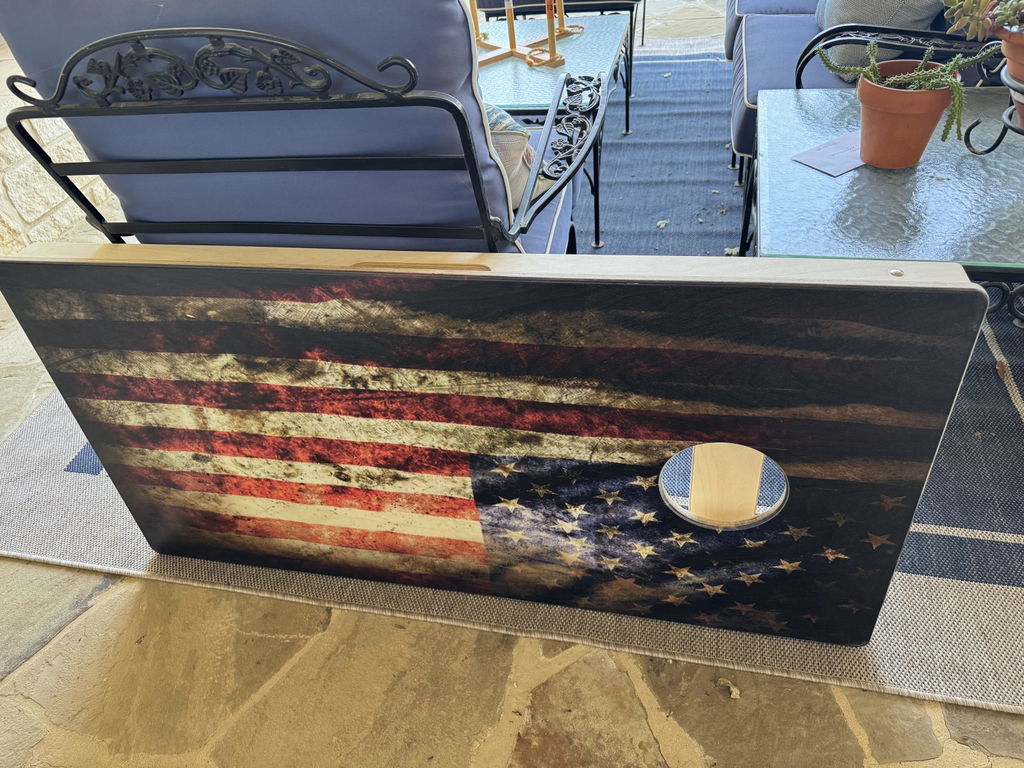
Whether you're setting up boards in your backyard or competing in a sanctioned tournament, cornhole has a way of bringing people together. But like any game worth playing, it comes with a set of unspoken rules that help keep things fair, fun, and respectful. Understanding cornhole etiquette doesn't just make you a better player; it makes you a better teammate, opponent, and host.
From knowing how far apart cornhole boards should be placed to respecting your opponent's focus during a throw, these small details add up to a bigger picture: sportsmanship. If you've ever wondered what separates a good cornhole player from a great one, it often comes down to how they carry themselves on and off the boards.
This guide covers everything you need to know about proper cornhole conduct. Whether you're a beginner learning the ropes or a seasoned competitor brushing up on best practices, you'll find actionable tips to elevate your game and your reputation.
Setting Up the Game Properly
Before the first bag flies, setting up your boards correctly is essential. Official cornhole regulations state that boards should be placed exactly 27 feet apart, measured from the front edge of one board to the front edge of the other. This distance ensures a consistent playing experience and is standard in both casual play and competitive tournaments.
If you're playing casually or with younger participants, you can adjust the distance to suit your group's skill level. Ensure both teams agree on the setup before you begin. Consistency matters more than perfection when everyone's having fun.
Beyond distance, check that your boards are level and stable. Uneven surfaces can tilt the game in one player's favor, leading to frustration. Take a moment to inspect the playing area and remove any debris or obstacles that might interfere with bag slides or player movement. A well-prepared setup shows respect for the game and everyone involved.
Respecting Your Opponent's Turn
One of the most important aspects of cornhole etiquette is giving your opponent space and silence during their throw. Standing too close, talking loudly, or moving around can be distracting and disrespectful. Step back, stay still, and let them focus.
If you're playing doubles, avoid coaching your partner while the other team is throwing. Save your strategy talk for when it's your turn. The same goes for celebrations; save the high-fives and cheers until after your opponent has finished their round.
Remember, good sportsmanship goes both ways. Treat your opponents the way you'd want to be treated. A little courtesy on the boards goes a long way toward creating a positive atmosphere, especially in competitive settings where tensions can run high.
Handling Scoring Disputes with Grace
Disagreements about scoring can happen, especially when bags land close to the edge of the hole or overlap on the board. When this happens, remain calm and work together to resolve the issue. Most players use a straightedge or measuring tape to determine whether a bag is touching the hole or hanging over the edge.
If you're playing in a casual game and can't agree, consider replaying the round or splitting the difference. In tournament play, defer to the official rules and involve a referee if one is available. Never let a scoring dispute escalate into an argument; it's just not worth it.
At Skip's Garage, we've witnessed countless games played on our custom cornhole boards, and we know that the best matches are those where players prioritize fairness and fun over winning at all costs. Keep that mindset, and you'll earn respect from everyone you play with.
Calling Fouls Fairly and Honestly
Fouls in cornhole typically involve stepping over the foul line during a throw. If you notice your opponent committing a foul, it's your responsibility to call it, but do so respectfully. A simple "Hey, I think you stepped over" is enough. Avoid being accusatory or aggressive.
If someone calls a foul on you, accept it gracefully. Arguing only slows down the game and creates unnecessary tension. Everyone makes mistakes, and acknowledging them shows maturity and respect for the rules.
In tournaments, understanding the official foul rules is critical. Study them beforehand so you're not caught off guard. Being well-versed in the regulations not only keeps the game moving but also demonstrates your commitment to playing fairly and ethically.
Maintaining Your Equipment
Your cornhole boards and bags are more than just game pieces—they're an investment in good times with friends, family, and competitors. Treat them with care. Wipe down your boards after each session to remove dirt and moisture, and store them in a dry place to prevent warping or damage.
Inspect your bags regularly for wear and tear. Replace any that are torn or losing their fill, as damaged bags can affect gameplay and fairness. If you're hosting a game, ensure your equipment is in top condition before your guests arrive. It shows that you take the game seriously and respect your players.
At Skip's Garage, we craft our boards with durability and performance in mind, utilizing high-quality materials that withstand regular use. However, even the best boards require a little TLC to perform optimally over time. A few minutes of maintenance after each game can extend the life of your equipment by years.
Being a Gracious Winner and Loser
Winning feels great, but how you handle victory says a lot about your character. Keep celebrations modest and avoid gloating or trash talk. Shake hands with your opponents, thank them for the game, and acknowledge their effort. A simple "good game" can go a long way.
Losing is harder, but it's an opportunity to show grace under pressure. Don't make excuses, blame the equipment, or sulk. Congratulate the winners, learn from your mistakes, and move on. Everyone loses sometimes, and how you respond defines you as a player.
In competitive settings, sportsmanship can make or break your reputation. Players who consistently show respect and humility, win or lose, are the ones people want to play with and against. Build that reputation, and you'll always have a spot on the boards.
Hosting a Cornhole Game: Setting the Tone
If you're organizing a cornhole event, whether it's a backyard gathering or a community tournament, you set the tone for how the day unfolds. Start by clearly communicating the rules and format to all participants. Ensure that everyone is aware of the correct spacing between boards, the definition of a foul, and the scoring procedure.
Provide ample seating and shade for spectators, and ensure that water and refreshments are readily accessible. A comfortable environment encourages people to relax and enjoy themselves, leading to improved gameplay and camaraderie.
As the host, you're also responsible for resolving disputes and keeping things moving. Stay neutral, be patient, and prioritize fairness. Your goal is to create an experience that people want to return to, and that begins with how you run the event.
Teaching New Players the Right Way
Introducing someone to cornhole is a chance to pass on not just the rules, but the values that make the game enjoyable. Start by explaining the basics clearly and patiently. Show them how to stand, how to throw, and how far apart the boards should be. Encourage questions and practice throws before starting a real game.
Emphasize sportsmanship from the beginning. Teach new players to respect their opponents, call fouls fairly, and handle wins and losses with grace. These lessons stick with people and shape how they approach the game as they improve.
At Skip's Garage, we've worked with countless coaches, camp leaders, and community organizers who use cornhole as a tool for teaching teamwork and respect. The game is simple enough for anyone to learn, yet meaningful enough to leave a lasting impression when taught properly.

Creating a Positive Culture Around the Game
Cornhole thrives when players approach it with the right attitude. Whether you're a casual player or a tournament competitor, you have the power to influence the culture around you. Be the person who welcomes newcomers, resolves conflicts calmly, and leads by example.
Encourage others to follow proper etiquette, but do so in a gentle and constructive manner. If you see someone stepping over the line or acting unsportsmanlike, pull them aside privately rather than calling them out in front of others. Positive reinforcement works better than criticism.
The more you invest in creating a respectful, enjoyable environment, the more people will want to play with you. That's the real reward of good etiquette—it makes the game better for everyone involved.
Elevate Your Game with the Right Gear
Cornhole etiquette starts with respecting the game, your opponents, and yourself. But it also extends to the equipment you use. Playing on well-built, regulation-sized boards ensures a fair and consistent experience every time you step up to throw.
At Skip's Garage, we take pride in crafting custom corn hole boards that meet the highest standards of quality and performance. Our boards are built to last, designed for serious play, and backed by our personal guarantee of satisfaction. When you play on a Skip's Garage board, you're playing on equipment that reflects the same commitment to excellence that you bring to the game.
Whether you're hosting a backyard tournament, running a league, or just enjoying a weekend with friends, we're here to support your passion for cornhole. Explore our selection of custom boards, bags, and accessories, and experience the Skip's Garage difference for yourself. Because great games deserve great gear.