The familiar thud of a cornhole bag hitting a wooden board is a sound synonymous with backyard gatherings, tailgates, and friendly competition. While the game itself seems simple, the equipment has undergone a remarkable evolution. What began with basic, handmade materials has transformed into a sophisticated industry with precision-engineered gear. This journey reflects not only technological advancements but also the game's surge in popularity from a casual pastime to a professional sport.
At Skip's Garage, we live and breathe cornhole. We've witnessed this evolution firsthand, and our passion for the game drives our commitment to quality. We believe that understanding the history of the equipment enriches the playing experience. By tracing the development of cornhole boards and bags, you can appreciate the craftsmanship and innovation that define the modern game. This post will explore that history, from the early days of corn-filled sacks to the high-performance gear used by today's professionals.
The Early Days: Simple and Rustic Beginnings
The origins of cornhole are debated, with some stories tracing it back to 14th-century Germany and others to Native American tribes. Regardless of its true starting point, the earliest versions of the game were built from necessity and whatever materials were available. The first boards were often simple plywood or barn wood, propped up at an angle. They were functional but lacked the standardized dimensions and smooth finishes we see today. The focus was on the game itself, not the perfection of the equipment.
The bags were just as rudimentary. True to the game's name, they were typically simple cloth sacks filled with dried corn kernels. This organic filling gave the bags a distinct feel and weight, but it also came with drawbacks. Corn would break down over time, creating dust that affected play and made a mess. The bags were also susceptible to moisture, which could cause the corn to rot or attract rodents if not stored properly. Despite these issues, these homemade sets were the heart of the game for decades, fostering a sense of community and simple fun.
The Rise of Standardization and Quality Materials
As cornhole's popularity grew throughout the American Midwest and beyond, a desire for consistency began to emerge. Players and leagues wanted a more uniform playing experience, which led to the standardization of equipment. Organizations like the American Cornhole Association (now the American Cornhole League, or ACL) established official rules for board dimensions, hole size, and bag weight. These early ACA cornhole boards helped shape the foundation of modern gameplay by creating a benchmark for builders and players alike.

The bags also saw a major upgrade. To solve the problems associated with corn filling, manufacturers switched to synthetic plastic resin pellets. This was a game-changer. Resin-filled bags offered a consistent weight and feel, were unaffected by moisture, and didn't break down over time. This innovation made the game more predictable and professional, paving the way for higher levels of competition. The outer fabric also evolved, with durable duck canvas becoming the standard for its resilience and texture.
The Modern Era: Precision, Customization, and Professional Play
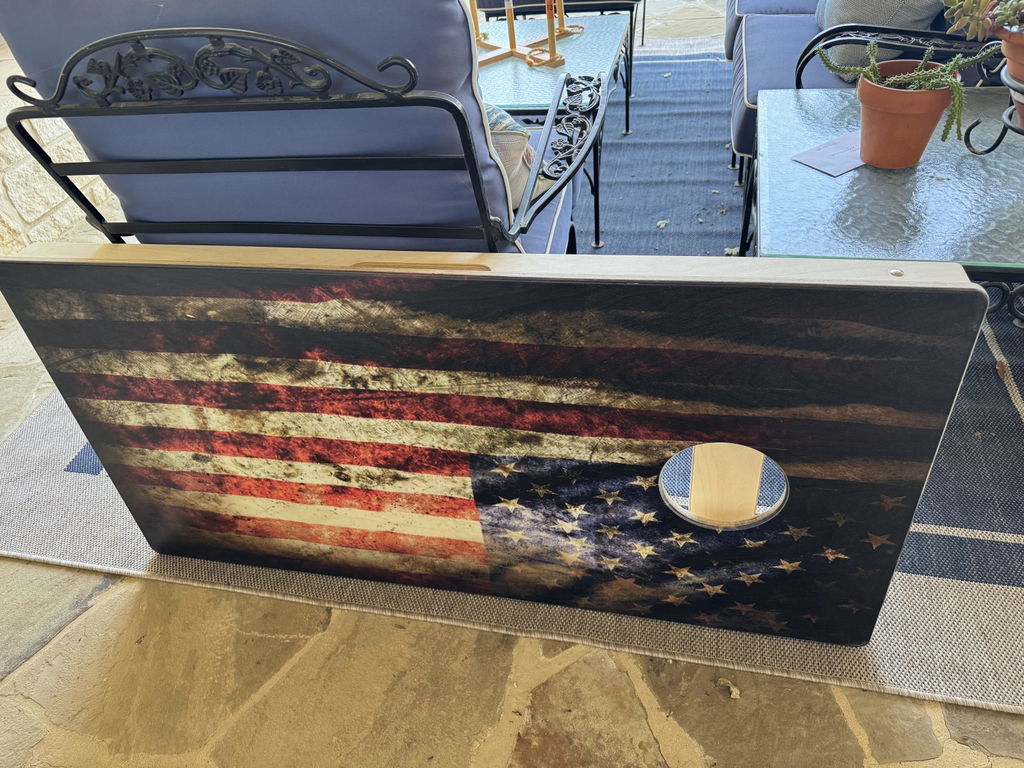
Today, cornhole equipment is a perfect blend of science and art. The influence of professional cornhole, broadcast on networks like ESPN, has pushed innovation to new heights. Boards are now meticulously engineered for optimal performance. Many feature direct-to-wood UV printing, which allows for vibrant, full-color custom graphics without the use of vinyl decals that can peel or affect the slide of the bags. Protective top coats are applied to shield the graphics and provide a consistent, all-weather playing surface.
The evolution of cornhole bags has been even more dramatic. The modern bag market is filled with a dizzying array of options, each designed for a specific playing style. Professional-grade bags feature a "stick and slick" design, with two different fabric sides. One side is made of a suede-like material that helps the bag "stick" to the board, perfect for blocking shots or placing a bag strategically. The other side is made from a faster, synthetic fabric that allows the bag to "slickly" slide up the board and into the hole. The type of resin fill can also be customized, with different pellet shapes and sizes affecting how the bag feels in the hand and how it plays on the board.
This level of specialization has turned bag selection into a key part of a player's strategy. Serious players now carry multiple sets of bags, choosing the right one based on board conditions, humidity, and their opponent's playing style. This mirrors the equipment specialization seen in other professional sports, like golf or bowling, and highlights just how far cornhole has come.
Why Quality and Customization Matter
The evolution of cornhole equipment demonstrates a journey toward excellence. At Skip's Garage, we are proud to be part of that journey. We understand that a great cornhole set is more than just a piece of equipment; it's the centerpiece of countless memories with family and friends. That’s why we are obsessed with quality, from the materials we use to the craftsmanship we pour into every set we build.
We also believe in the power of customization. Your cornhole boards should reflect your personality, whether you're representing your favorite sports team, showcasing a company logo, or creating a unique design for a wedding gift. With our advanced design tools and printing technology, we offer an unbeatable service for anyone looking for custom cornhole boards. We personally guarantee that you will be satisfied with our product, or you will receive your money back. That's the Skip's Garage promise.
The Future of Cornhole
The evolution of cornhole is far from over. As technology advances and the sport continues to grow, we can expect to see even more innovation in board and bag design. From new materials to "smart" boards that keep score automatically, the future is bright. What will never change, however, is the simple joy of tossing a bag and watching it land perfectly on the board. By honoring the game's history while embracing modern quality, we can ensure that cornhole remains a beloved pastime for generations to come.