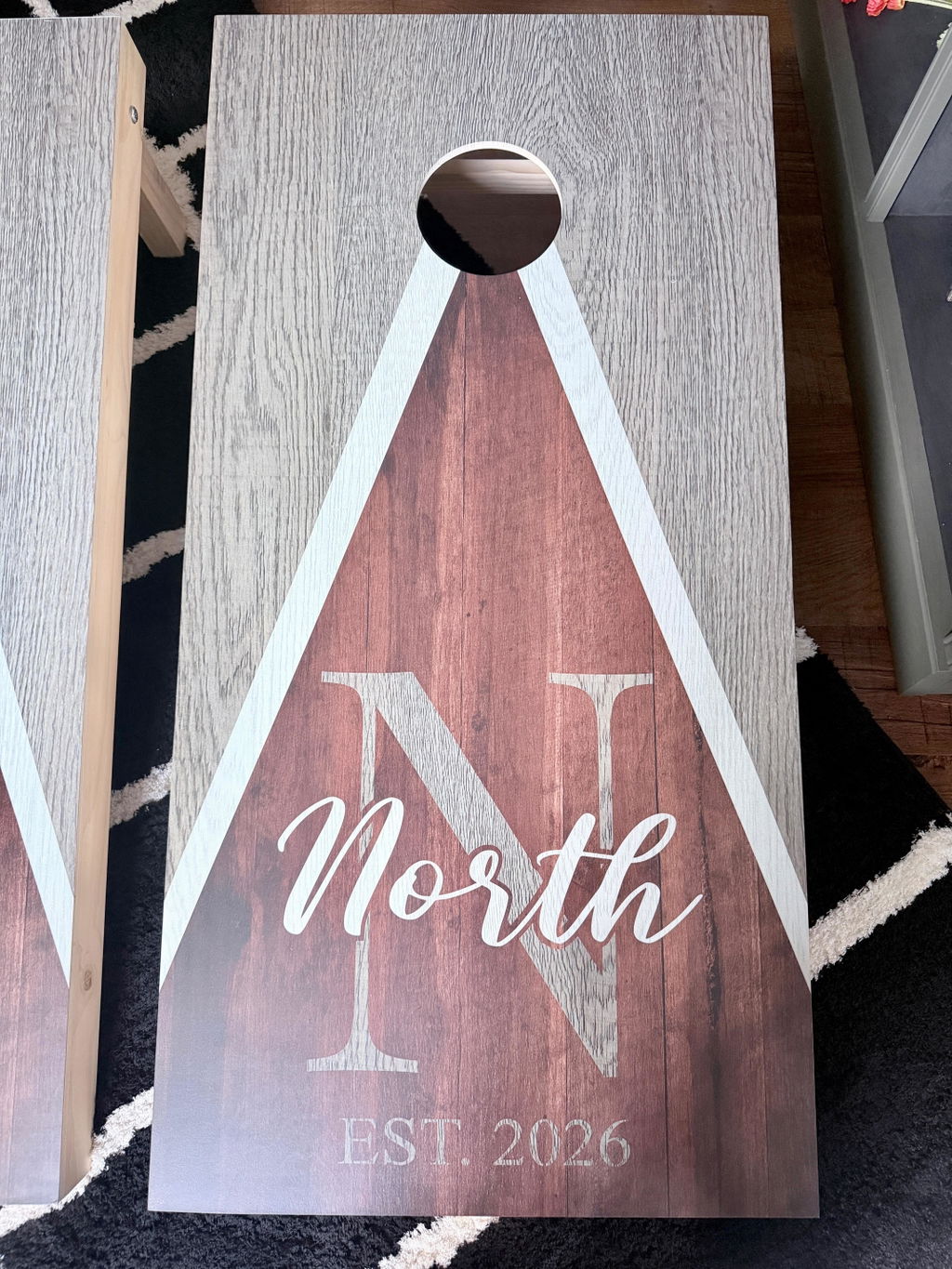
Cornhole has evolved from a casual backyard pastime into a competitive sport with televised tournaments and serious athletes. While it might look simple to the uninitiated, consistently landing a bag on the board—or sliding it directly into the hole—requires a blend of physical mechanics and mental focus. The difference between a casual player and a tournament winner often comes down to two primary factors: accuracy and distance control.
If you find yourself constantly coming up short or drifting wide left, you are not alone. Many players struggle with consistency because they rely on muscle memory that hasn't been properly trained. This guide explores specific drills designed to sharpen your aim and refine your power control. By implementing these techniques with you, you can transform your game from guesswork to precision engineering.
Warming Up the Arm
Before diving into complex targeting drills, it is essential to prepare your body for the repetitive motion of throwing. Jumping straight into maximum-distance throws can lead to strain and inconsistent release points. The goal of a warm-up is to loosen the shoulder and elbow while establishing a smooth rhythm.
Start by standing about ten feet from the board, which is roughly half the regulation distance. Focus entirely on your swing mechanics rather than the target. Your arm should move like a pendulum, straight back and straight forward. Release the bag with a relaxed grip, ensuring it lands flat on the board. Do not worry about scoring points right now. Simply aim to have the bag land softly in the center of the board.
After a few minutes of short-range tossing, slowly step back a few feet at a time. Maintain the same smooth pendulum motion as you increase the distance. This gradual retreat helps your brain calibrate the necessary force without compromising your form. Once you reach the regulation distance of 27 feet, your arm should feel loose, and your release point should be consistent.
Sharpening Your Accuracy
Accuracy in cornhole is about limiting variables. You want to eliminate lateral movement so that your only concern is how hard you throw. To improve this, you need drills that force you to focus on a specific line.
The Center Line Drill
Visualizing a line running directly down the center of the board is a powerful technique. Place a strip of painter's tape or a string down the middle of the board, bisecting the hole. Your objective is to have every throw land on or touch this line. This drill trains your eye to focus on a narrow path rather than the entire board. When you miss, take note of whether you are consistently missing to the left or right. This feedback allows you to adjust your stance or release point to correct the error.
The Blocker Drill
Another effective method for improving precision is the blocker drill. Place one of your bags on the board, positioned directly in front of the hole. Step back to the throwing line and attempt to throw your remaining bags so that they curve around the blocker or slide past it into the hole. This exercise mimics real-game situations where an opponent has blocked the lane. It forces you to be precise with your placement and teaches you how to utilize the board's surface to navigate around obstacles.
Mastering Distance and Power
Even if your aim is true, it means nothing if the bag falls short or slides off the back. Distance control is about muscle memory and understanding the arc of your throw.
The Airmail Drill
The airmail shot is a high-arcing throw that goes directly into the hole without touching the board first. While risky in a game, practicing it is excellent for distance control. Because the target is so small, you must apply the exact amount of force required to cover the distance. Aim for the center of the hole and focus on generating a higher arc than usual. This forces you to use your legs more effectively, driving through the throw rather than relying solely on your arm.
The Over-Distance Drill
To make regulation throws feel effortless, try practicing from a greater distance. Step back five to ten feet behind the regulation foul line. Throwing from this increased distance requires more power and a stronger leg drive. Spend ten minutes throwing from this extended range. When you eventually step back up to the standard 27-foot line, the regulation distance will feel significantly shorter, and you will find it easier to control your power without straining.
Blending Accuracy and Distance
Once you have isolated accuracy and power, the next step is to integrate them. The goal is to develop "touch," which is the ability to land the bag exactly where you want it with the correct weight.
A great exercise for this is the Zone Drill. Mentally divide the board into three horizontal zones: the front, the middle, and the back. Announce which zone you are targeting before you throw. Attempt to land a bag in the front zone, then the middle, and finally the back. This forces you to make micro-adjustments to your power while maintaining your line. It is much harder than simply aiming for the hole, as it requires total command over the bag's friction and slide.
Advanced Techniques for Board Management
As you become more comfortable with basic drills, you can start incorporating advanced techniques like spin control and strategic placement. The way the bag spins through the air affects how it interacts with the board upon landing.
The Flat Bag
Top players strive for a perfectly flat spin, often called a "pancake." A flat bag cuts through the wind better and lands more predictably. To practice this, focus on your wrist action at the moment of release. You want to impart a subtle rotation without flipping the bag end-over-end. A bag that tumbles is unpredictable and often kicks sideways upon landing. Watch the rotation of your corn hole bean bags carefully; if you see the colors flashing or wobbling, adjust your grip and release until the bag looks like a spinning disc.

Defensive Placement
Winning isn't always about scoring; sometimes it is about preventing your opponent from scoring. Practice placing bags in specific defensive positions. Aim to leave a bag directly in front of the hole to force your opponent to throw an airmail or attempt a difficult push shot. Alternatively, practice throwing a "blocker" that sits high on the board, disrupting the sliding lane. Mastering these placement shots requires the same precision as scoring but shifts your mindset to strategic board management.
Building a Consistent Practice Routine
Improvement rarely happens by accident. To see real results, you need to structure your practice sessions rather than just aimlessly throwing. A structured routine ensures that you work on all aspects of your game equally.
Begin every session with the warm-up routine described earlier to prevent injury. Follow this with ten minutes of the Center Line Drill to lock in your lateral accuracy. Next, switch to the Airmail Drill for another ten minutes to calibrate your distance and arc. Finish your session with the Zone Drill to work on your touch and board management. By dedicating specific time blocks to each skill, you prevent the bad habit of simply "tossing bags" and turn your practice time into a genuine training regimen.
Dominate Your Next Match
Developing a consistent cornhole throw takes time and dedication. By breaking down your mechanics into separate components—accuracy and distance—you can identify exactly where your weaknesses lie and correct them. Whether you are aiming to dominate the neighborhood cookout or take home a trophy at a local tournament, these drills provide the foundation for success. Grab your corn hole bean bags, find a board, and start practicing with purpose. The results will speak for themselves when your bags start finding the hole with satisfying regularity.