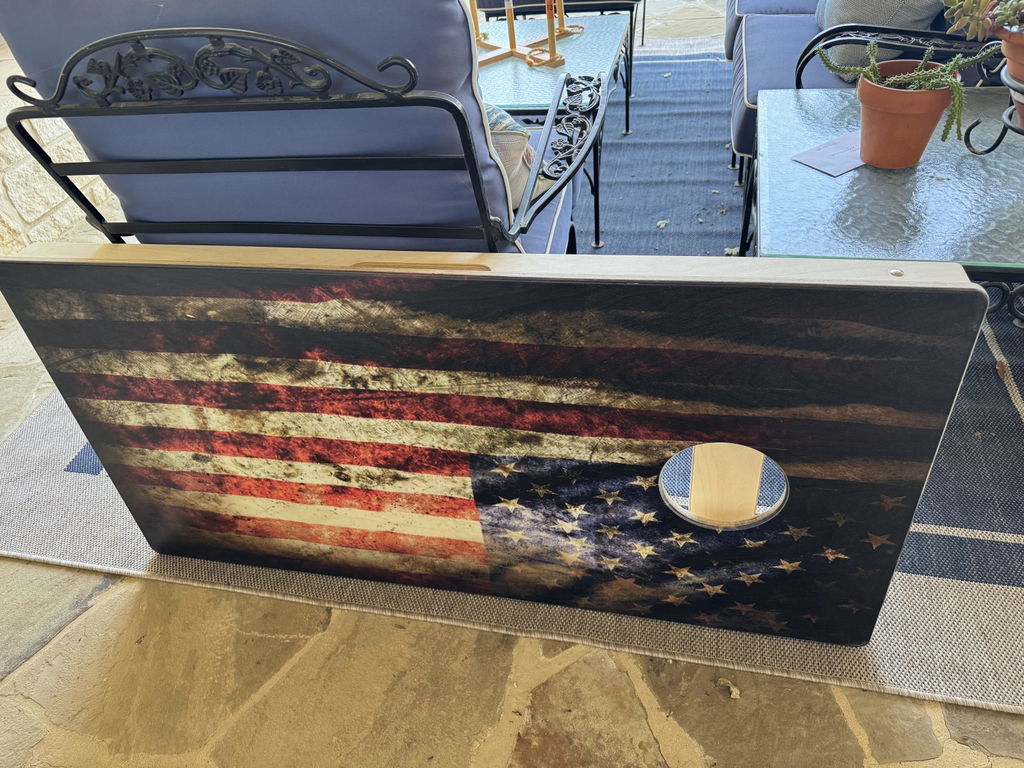
Backyard gatherings and tailgates often center around the rhythmic thud of a bag hitting a wooden platform. While many casual players use the terms cornhole bag and bean bag interchangeably, seasoned enthusiasts know there is a significant distinction between the two. The terminology might seem trivial to a beginner, but the differences in materials, construction, and performance can drastically alter the flow of the game.
Understanding these nuances is essential for anyone looking to upgrade their equipment or move from casual tossing to competitive play. The evolution of the game has transformed the humble bean bag into a precision-engineered piece of sporting equipment. This guide explores exactly what separates a professional cornhole bag from a standard bean bag and how those differences impact your experience on the boards.
Defining Cornhole Bags: Materials and Construction
A professional cornhole bag is designed specifically for the sport of cornhole. These are not merely sacks filled with beans but are carefully constructed items meant to meet specific regulatory standards. The primary fabric used in high-quality cornhole bags is typically durable duck cloth or canvas on one side, often paired with a synthetic microsuede or similar material on the other. This dual-fabric design allows players to execute different shots; the canvas side slides along the board, while the suede side acts as a brake to stop the bag in place.
The construction of these bags involves heavy-duty stitching, often double-stitched, to withstand the impact of repeated throws against wooden or composite boards. Unlike the loose, floppy nature of a traditional bean bag, a cornhole bag maintains a somewhat square shape even after landing. The filling is rarely actual corn or beans in modern competitive play. Instead, manufacturers use synthetic resin pellets. These plastic pellets do not break down over time, they resist moisture, and they provide a consistent weight and feel that organic materials simply cannot match.
Defining Bean Bags: Materials and Construction
The term bean bag generally refers to a broader category of tossing toys rather than specific sporting equipment. These bags are often found in children’s game sets, carnival toss games, or budget-friendly backyard kits. The outer material is usually a lightweight cotton or polyester blend, which lacks the durability required for intense cornhole matches. The stitching is typically standard single-stitch, making them prone to bursting if thrown with significant force.
Historically, these bags were filled with dried beans, corn kernels, or even rice. While this gives them a satisfying texture, organic fillings come with significant downsides. They can rot if they get wet, they attract rodents and insects, and they eventually break down into a fine dust, changing the weight and feel of the bag over time. Some modern generic bean bags use plastic beads, but they often lack the density and specific weight regulation found in their professional counterparts.
Key Differences: Size, Weight, and Filling
The most apparent differences between these two types of bags lie in their physical specifications. A regulation cornhole bag has very strict dimensions. It must measure six inches by six inches. This square shape provides a consistent surface area for sliding and blocking. In contrast, a generic bean bag can vary wildly in size. They might be small three-inch squares intended for children or larger, irregular shapes.
Weight is another major differentiator. A standard cornhole bag must weigh between fifteen and sixteen ounces. This weight is crucial for maintaining trajectory in the wind and ensuring the bag has enough momentum to slide up the board. Generic bean bags are often much lighter, sometimes weighing only a few ounces, which makes them susceptible to being blown off course by a light breeze and results in a bouncy, unpredictable landing.
The filling creates a distinct tactile difference. The resin pellets in a cornhole bag allow it to be uniform. Every bag in a set will feel exactly the same. Organic-filled bean bags are inconsistent. One might be packed tight while another is loose, and as the organic material degrades, the bag becomes floppier and lighter, ruining any chance of consistent gameplay.
Performance Comparison: Throwing and Gameplay
When you step up to the pitch, the performance gap becomes immediately obvious. A professional cornhole bag is an aerodynamic projectile. Because of the resin filling and durable fabric, a player can spin the bag, allowing it to cut through the air and land flat. Upon landing, the bag reacts predictably. It might slide towards the hole or stick in place as a blocker, depending on which side of the bag is facing down and the skill of the thrower.
Generic bean bags tend to tumble rather than spin. Their light weight and loose filling cause them to bounce erratically when they hit the board. There is very little strategy involved with a standard bean bag because it lacks the mass to push other bags out of the way or the dual-fabric friction to control the slide.
The surface you play on also dictates the necessity of the bag type. If you have invested in high-quality equipment, such as Trex cornhole boards, using a cheap bean bag will essentially waste the potential of the board. Composite boards are designed for consistent slide and playability. A lumpy, lightweight bean bag will not interact with the smooth surface of Trex boards like a resin-filled, dual-sided bag will, effectively lowering the quality of the game.

Regulations and Standards for Cornhole Bags
For those interested in competitive play, adherence to standards is mandatory. Organizations like the American Cornhole League and the American Cornhole Organization have established strict bylaws governing bag specifications. As mentioned, the bags must be six inches square and weigh roughly one pound.
However, the regulations go deeper than just size and weight. The thickness of the bag typically must not exceed a certain measurement, ensuring it is not too puffy. The corners must be rounded to a specific radius to prevent sharp edges from wearing down the bags or the boards. Manufacturers of professional bags must submit their products for approval to be used in televised or official tournaments. Generic bean bags do not adhere to any of these standards, making them illegal for tournament play and unsuitable for anyone trying to practice for a competition.
Common Uses and Applications for Bean Bags
Despite their lack of suitability for competitive cornhole, generic bean bags serve many useful purposes. They are excellent for educational settings, helping young children develop hand-eye coordination without the risk of injury from a heavy, one-pound projectile. They are commonly used in juggling, as their loose filling makes them easy to catch and grip.
Bean bags are also popular in carnival games where the objective is to knock over a stack of milk bottles or toss the bag into a small hoop. Their erratic bounce and light weight actually add to the challenge in these scenarios. Furthermore, they are often used in sensory play for individuals with special needs, as the tactile sensation of the beans or beads can be soothing.
Environmental and Safety Considerations
When choosing between these bags, it is also worth considering longevity and safety. Corn-filled bags, which fall under the traditional bean bag category, create a dust known as corn flour as they break down. If these bags are stored in a garage or shed, they can become a food source for pests. Once the bag is compromised, it creates a mess and must be discarded. Resin-filled cornhole bags are essentially weather-proof and can last for years, reducing waste.
Safety is another factor. A sixteen-ounce cornhole bag is a dense object. If thrown by a strong arm, it can cause injury if a child or bystander is hit. Lighter bean bags are generally safer for chaotic environments involving small children. However, one must be cautious with pets; if a dog tears open a resin-filled bag, the plastic pellets can pose a choking hazard or digestive blockage, whereas corn or beans are typically harmless if ingested in small quantities.
Choosing the Right Bag for Your Needs
Selecting between a cornhole bag and a bean bag ultimately depends on your intent. If you are looking for a simple, safe tossing toy for toddlers or a cheap addition to a carnival game, a generic bean bag is the correct choice. It is cost-effective and serves its purpose well.
However, if you are setting up a game for adults, looking to improve your skills, or playing on premium surfaces like composite cornhole boards, a professional cornhole bag is a necessary investment. The consistency, durability, and strategic elements provided by a proper resin-filled, regulation-sized bag transform the activity from a game of luck into a game of skill. By understanding these differences, you can ensure that your equipment matches your level of play and enjoyment.