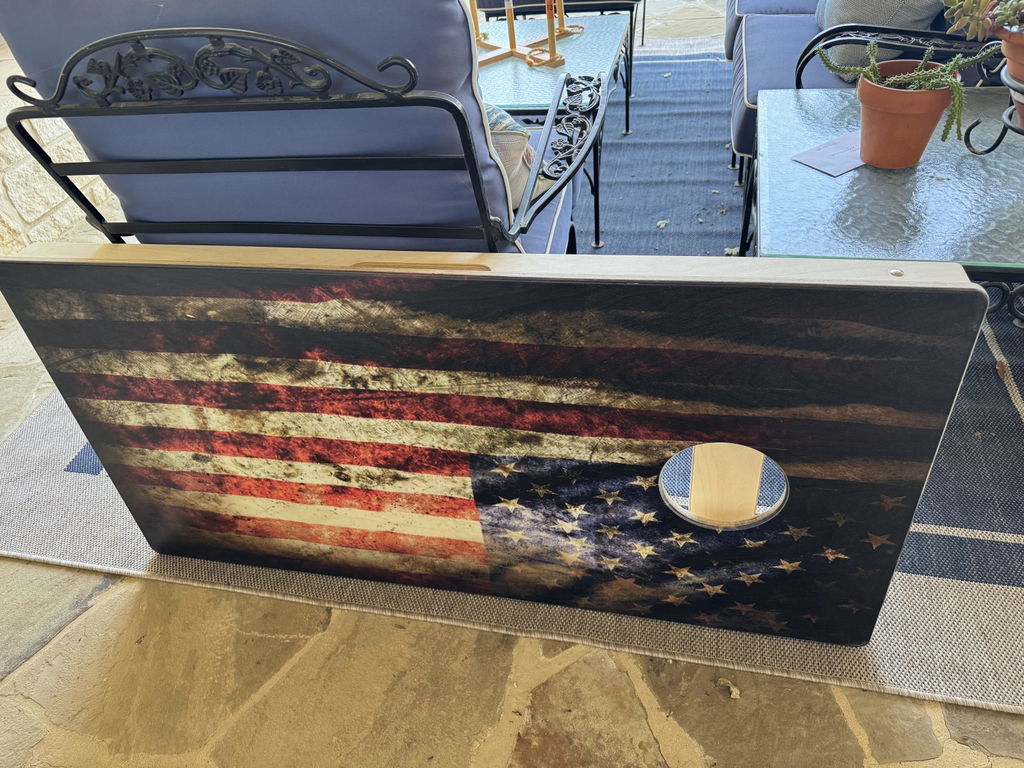
The growing emphasis on mental well-being has led many people to seek out activities that offer relaxation in an engaging, meaningful way. Among these options, cornhole, a classic backyard game, is emerging as an unlikely yet impactful ally for mental health. While often associated with casual summer hangouts or competitive tournaments, cornhole has a surprising ability to promote relaxation, mindfulness, and community support.
For advocates of mental health, including therapists, wellness coaches, and caregivers, exploring how cornhole can fit into stress management strategies opens a door to blending recreation with therapeutic benefits. At its core, the simple joy of gameplay intertwines effortlessly with the principles of mindfulness and connection.

Cornhole as a Therapeutic Tool
The beauty of cornhole lies in its simplicity. It doesn’t matter if you're a seasoned player or have just learned the rules of cornhole, as the game remains accessible to all. This inherent simplicity offers a form of escapism that eases stress and allows players to focus on the present moment.
Rather than overwhelming participants with complex tactics or fast-paced actions, cornhole encourages a slower, steadier mode of engagement. Each throw demands just enough concentration to focus the mind while leaving plenty of emotional room to breathe and relax. For individuals grappling with anxiety, the rhythmic act of tossing a beanbag serves as a grounding practice, tethering them to a calm, centered state.
The Mind-Body Connection in Cornhole
Playing cornhole requires a unique balance of movement and intention, fostering a connection between body and mind. The act of gauging the distance, focusing on the target, and gently tossing the beanbag creates a meditative rhythm. This process aligns closely with mindfulness practices, where individuals are encouraged to slow down, be present, and immerse themselves in the task at hand.
Regular gameplay can become a form of active meditation. By focusing on the trajectory of a beanbag or listening to its satisfying thud on the board, players cultivate sensory mindfulness. It offers a respite from racing thoughts and the relentless pace of daily life, fostering a space where the mind can simply “be.”
Building Community with a Single Toss
Cornhole isn’t just a solo venture; it thrives on community. Whether you're paired with a friend, a loved one, or a co-worker, the game naturally creates opportunities for interaction. Laughter, shared goals, and moments of triumph create a bond between players that extends beyond the boards.
Social connection plays a critical role in mental health. For individuals managing loneliness or battling depression, cornhole can foster camaraderie and encourage positive interactions. It’s not just about winning; it’s about the conversations, the shared encouragement, and the lighthearted competition that build relationships. Tournaments, clubs, or casual backyard gatherings featuring cornhole create safe spaces where people feel seen, supported, and part of something bigger.
Incorporating Cornhole Into Mental Health Strategies
Integrating cornhole into mental health routines doesn’t require elaborate planning. Its flexibility makes it a valuable, adaptable tool across various environments. Therapists can use it in group sessions to encourage teamwork and communication, while stress management coaches may introduce it as part of relaxation exercises.
Additionally, wellness retreats and corporate wellness programs could incorporate cornhole setups to provide a recreational, stress-relieving activity that aligns with larger mental health goals. Caregivers and families may also find it useful in offering lighter, joyful moments to those who need them most.
For newcomers, learning the rules of cornhole is refreshingly straightforward, ensuring that anyone can join in without feeling intimidated. This eliminates barriers to entry, making it inclusive regardless of age, skill level, or physical capability.
The Rules of Cornhole and the Flow of Relaxation
Playing cornhole is as simple as it is rewarding. Two boards are placed at a fixed distance from each other, and the objective is to toss the beanbags to land on the board or, better yet, through the hole. Each landing earns points, with the game fostering friendly competition.
The rules of cornhole are easy enough for young children to grasp yet strategically rich enough for adults to enjoy. This balance makes it an all-ages activity suitable for families, peers, or groups. Crucially, the reliance on focus and strategy means that players naturally practice mindfulness, often without even realizing it.
Every precision toss, every well-thought-out adjustment to technique, brings not just the possibility of scoring points but also opportunities to practice patience and focus. Each bag that misses the target teaches resilience and underscores the importance of letting go.
Cornhole as a Mindful Escape
Life frequently demands multitasking, constant connectivity, and unrelenting schedules, all of which can drain emotional reserves. Activities like cornhole offer a simple pleasure that embodies the concept of slowing down and being present.
Engaging in cornhole provides a way to step back from life’s pressures without guilt or expectation. Its leisurely pace helps players shed stress while fostering a sense of accomplishment and joy. By investing themselves in the game, individuals gain an avenue to recharge their mental batteries, ready to face challenges with fresh resilience.
Why Cornhole is More Than a Game
On the surface, cornhole may seem like just another backyard game, but to mental health advocates, it stands as an accessible and effective tool for fostering mindfulness, social connection, and relaxation. The simplicity of tossing a beanbag translates into practical mental health benefits that support both individual and group well-being.
With its ability to build community, encourage mindfulness, and promote an active, engaging form of relaxation, cornhole is transforming how we think about games and mental health. Whether it’s introducing it into a therapy session, setting it up at a wellness retreat, or simply playing with loved ones, cornhole offers a meaningful and enjoyable way to enhance mental health through play.