There are few things more satisfying than the soft thud of a bag landing square on a cornhole board while cold beer sweats in your hand. It's a simple pleasure—but one that has quietly become a cornerstone of American social life. From backyard barbecues to brewery courtyards, cornhole and craft beer have grown up together, feeding off the same culture of good company and easy afternoons.
Cornhole's roots trace back to 14th-century Germany, though its modern form took hold in the American Midwest during the mid-20th century. What began as a casual lawn game for family gatherings has since expanded into a serious competitive sport, complete with national tournaments, professional leagues, and custom-built boards that are as much art as they are equipment. Yet for all its competitive evolution, the heart of cornhole remains unchanged—it's a game built for connection.
Craft beer has followed a strikingly similar path. What started as a fringe movement of homebrewers and passionate enthusiasts has become a multi-billion-dollar industry with thousands of independent breweries across the country. And much like cornhole, craft beer isn't really about the product alone. It's about the experience, the conversation, and the shared enjoyment of something made with care.
Put these two together, and you get something that transcends either activity on its own. This post explores why cornhole and beer are so naturally intertwined, how to pair the right brew with a competitive game, and how to put together the ultimate backyard event that your friends will be talking about long after the last bag has landed.
Why Cornhole and Beer Belong Together
There's a reason you rarely see a cornhole setup without a cooler nearby. Both activities thrive on the same social energy—relaxed, inclusive, and easy to enjoy regardless of skill level. You don't need to be an athlete to play cornhole, and you don't need to be a sommelier to appreciate a well-crafted beer. That accessibility is precisely what makes them such a natural pairing.
At its core, cornhole encourages conversation. Players stand at opposite ends of the board, which creates a natural rhythm of throwing, waiting, and chatting. That rhythm—active, but not exhausting—is ideal for sipping. Unlike high-intensity sports that demand full physical attention, cornhole invites you to stay present with the people around you while still being engaged in the game. A beer fits seamlessly into that experience.
The rules for cornhole are also simple enough that they rarely interrupt the social flow. Two teams of two players face off from opposite boards set 27 feet apart. Bags that land on the board score one point, while those thrown through the hole score three. Teams cancel each other's points in a system called "cancellation scoring," and the first to reach exactly 21 wins. Simple, strategic, and just competitive enough to keep things interesting—without the complexity that makes some games feel like homework.

The Social Scene: Backyards, Breweries, and Everything Between
Walk through the patio of any well-run craft brewery on a warm Saturday afternoon, and you'll almost certainly spot a cornhole game underway. Breweries have embraced the game wholeheartedly, and for good reason. It keeps guests engaged, extends their time on-site, and creates an atmosphere that feels festive without being loud or chaotic.
The same dynamic plays out at backyard barbecues across the country. Cornhole gives guests something to do between plates of food, keeps kids and adults equally entertained, and generates just enough friendly competition to energize a gathering. It's the kind of activity that turns a get-together into a genuine event.
What makes this combination particularly enduring is how well it scales. A casual Sunday afternoon calls for one or two boards and a six-pack shared among friends. A neighborhood block party might feature a full tournament bracket with a cooler at every station. The game adapts without losing its character, and so does the beer culture surrounding it.
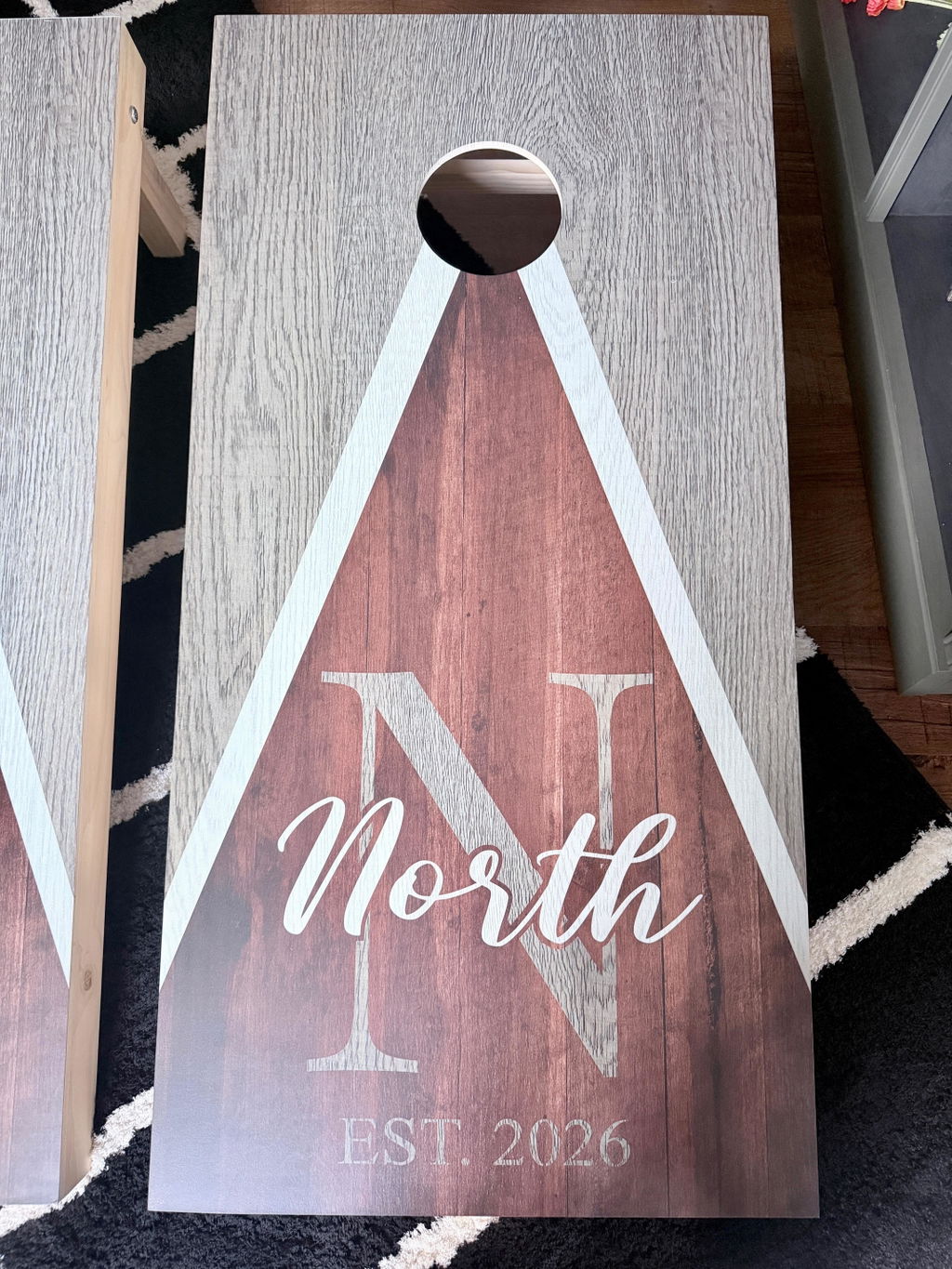
Custom cornhole boards have added another layer to this social ritual. Personalized designs—team logos, family crests, vibrant artwork—turn the equipment itself into a conversation starter. At Skip's Garage, we've seen firsthand how a beautifully crafted set of boards elevates the entire atmosphere of an event. When the equipment looks good and plays well, people notice.
The Best Beer Styles for a Competitive Game
Not every beer is equally suited to an afternoon of cornhole. The key is sessionability—beers with moderate alcohol content that you can enjoy over several hours without losing your accuracy (or your enthusiasm). Here's what tends to work best.
American Lagers and Light Ales are the classic choice for good reason. Clean, crisp, and low in alcohol, they complement outdoor activity without weighing you down. They're crowd-pleasing, widely available, and easy to enjoy across multiple games without slowing your reaction time.
Wheat Beers, including American wheats and German Hefeweizens, bring a little more character to the table while maintaining a refreshing, sessionable quality. The light citrus and bread notes pair beautifully with barbecue food, making them an excellent choice for full afternoon events.
Pale Ales offer a step up in hop character without crossing into the bitterness territory that can fatigue your palate over time. An American Pale Ale—approachable, aromatic, and typically clocking in around 5% ABV—is arguably the ideal cornhole beer. Flavorful enough to sip slowly and appreciate, light enough to enjoy several over the course of an afternoon.
Session IPAs have carved out a loyal following in exactly this kind of setting. Built on all the hoppy aroma of a traditional IPA but dialed back in alcohol, they deliver punch without penalty. If your crowd skews toward craft beer enthusiasts, having a session IPA on hand is a reliable crowd-pleaser.
Steer clear of high-ABV options—barrel-aged stouts and double IPAs—for the main event. Save those for postgame celebrations when the boards have been packed up and the competition is over.
How to Host the Ultimate Cornhole and Beer Event
Hosting a great cornhole event is less about elaborate planning and more about getting the fundamentals right. Set your boards on level ground with enough space around each end for players to move comfortably. If you're running a tournament, use painter's tape or chalk to mark off multiple lanes and create a simple bracket that keeps everyone involved throughout the day.
Stock your cooler with variety. Not everyone drinks the same style of beer, and having a few options—a light lager, a wheat beer, and a pale ale—ensures there's something for every preference. Add a non-alcoholic option as well; sparkling water or a good craft soda keeps everyone included and the atmosphere welcoming.
Invest in quality equipment. A well-made set of cornhole boards plays better, looks better, and holds up through seasons of use. Bags should be filled consistently and feel balanced in the hand. Boards should lie flat without warping—which is why the materials and craftsmanship behind them genuinely matter. At Skip's Garage, every set we build is constructed to exacting standards, because a great game starts with great equipment.
Finally, keep the atmosphere light. Friendly trash talk is part of the culture, but the real measure of a successful cornhole event isn't who wins—it's whether people leave wanting to do it again next weekend.
A Staple Worth Celebrating
Cornhole and beer have earned their place in American leisure culture not by accident but by genuine merit. They share a philosophy: that the best experiences are often the simplest ones, shared with people you enjoy. Whether you're introducing the game to first-timers or setting up a serious backyard tournament, the combination delivers every time.
If you're ready to take your setup to the next level, explore our full range of custom cornhole boards at Skip's Garage. Every set is built with premium materials and backed by our personal satisfaction guarantee—because the right equipment makes every game better.