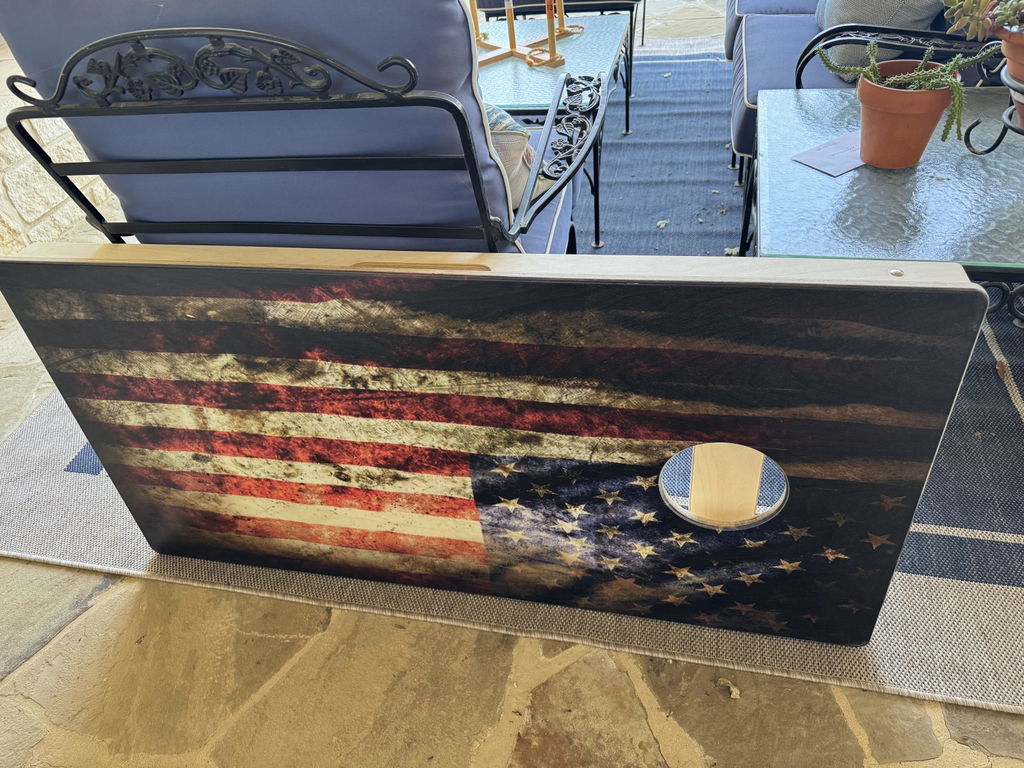
Cornhole has exploded from backyard barbecues to professional tournaments, becoming America's favorite casual sport. Whether you've seen it at tailgate parties, family reunions, or local festivals, this seemingly simple game offers hours of entertainment for players of all ages and skill levels.
If you're ready to join the millions of Americans who have discovered the joy of tossing bags at boards, you've come to the right place. This comprehensive guide covers everything from basic rules to advanced techniques, helping you transform from curious observer to confident player.
The beauty of cornhole lies in its accessibility. Unlike many sports that require extensive training or expensive equipment, anyone can pick up a bag and start playing within minutes. Yet beneath this simplicity lies a game rich with strategy, technique, and competitive spirit that keeps players coming back for more.
What Makes Cornhole So Special
Cornhole originated in the American Midwest, though its exact birthplace remains hotly debated among enthusiasts. What's not debatable is its rapid rise to mainstream popularity. The American Cornhole League now sanctions tournaments across the country, and ESPN regularly broadcasts professional matches to millions of viewers.
The game's appeal stems from its perfect balance of skill and luck. While anyone can accidentally sink a bag through the hole on their first throw, consistent success requires practice, technique, and mental focus. This creates an environment where newcomers can compete alongside experienced players while still having fun.
Understanding the Basic Equipment
Before diving into gameplay, let's examine what makes up a proper cornhole game set. The foundation of any great game starts with quality equipment that will withstand countless hours of play.
The Cornhole Boards
Official cornhole boards measure exactly 24 inches wide by 48 inches long, with a six-inch hole centered 9 inches from the top. These precise dimensions ensure consistent gameplay whether you're playing in your backyard or competing in a tournament. The playing surface should be smooth to allow bags to slide properly, while the hole must be perfectly round to maintain fair play standards.
Quality boards feature a slight incline, typically achieved by 2x4-inch legs that raise the back end approximately 12 inches off the ground. This slope creates the ideal trajectory for skilled players to execute advanced techniques such as airballs and cut shots.
The Cornhole Bags
Regulation cornhole bags weigh between 15 and 16 ounces and measure 6 inches square. Traditional bags were filled with dried corn kernels, giving the game its name. Modern competitive play often uses plastic pellets or synthetic materials that provide more consistent weight distribution and weather resistance.
The fabric matters more than many beginners realize. High-quality duck cloth or canvas provides the right amount of grip and slide characteristics. Bags that are too slippery won't stick to the board surface, while overly grippy bags can be difficult to throw smoothly.
Essential Rules Every Player Should Know
Cornhole's rules are refreshingly straightforward, making it easy for new players to jump right in. Understanding these fundamentals will help you enjoy the game while avoiding common beginner mistakes.
Game Setup and Distance
Teams set up their boards exactly 27 feet apart, measured from front edge to front edge. This distance creates the perfect challenge for most players while remaining achievable for beginners. Players stand behind their assigned board and take turns throwing toward the opposite board.
Each player throws four bags per inning, alternating throws with their opponent. The throwing order remains consistent throughout the game, with the person who scored in the previous inning throwing first in the next inning.
Scoring System
Cornhole uses a cancellation scoring system that keeps games competitive even when skill levels differ. Bags that go through the hole score three points, while bags that land and remain on the board surface score one point. Bags that touch the ground or hang off the board's edge don't count toward your score.
After each inning, players calculate the difference between their scores. Only the higher-scoring team adds points to its running total. For example, if Team A scores five points and Team B scores two points, Team A adds three points to their game total while Team B adds nothing.
Games are typically played to 21 points, and teams must win by exactly 2 points. This scoring system creates exciting comebacks and prevents blowouts, keeping every game interesting until the final bag is thrown.
Common Fouls and Violations
Understanding what constitutes a foul helps maintain fair play and prevents disputes. Stepping over the front edge of your board while throwing results in the bag being removed from play. Similarly, bags that hit the ground before landing on the board don't count, even if they subsequently bounce onto the playing surface.
Interfering with your opponent's bags, whether intentionally or accidentally, can result in penalties. Players should wait until all bags have been thrown and come to rest before approaching the opposite board to count scores.
Mastering Your Throwing Technique
Developing consistent throwing form separates casual players from serious competitors. While cornhole appears simple on the surface, subtle technique improvements can dramatically impact your accuracy and scoring potential.
Finding Your Stance
Start with your feet shoulder-width apart, with your throwing-side foot slightly forward. This balanced stance provides stability while allowing for a smooth, controlled motion. Many successful players prefer to stand slightly to one side of the board rather than directly behind it, finding this angle more comfortable for their natural throwing motion.
Your non-throwing hand should rest comfortably at your side or on your hip. Avoid excessive movement or gesturing, as this can throw off your balance and consistency.
The Throwing Motion
The most effective cornhole throw resembles a bowling motion more than a baseball pitch. Begin with the bag at chest level, then swing your arm in a smooth pendulum motion. The key is maintaining a consistent tempo and release point across all your throws.
Release the bag when your throwing hand reaches approximately waist level, allowing your natural follow-through to guide the bag's trajectory. Many beginners make the mistake of trying to throw too hard, sacrificing accuracy for power. Remember, a bag that barely makes it onto the board scores the same as one thrown with perfect force.
Developing a Consistent Arc
Your bag should follow a gentle arc through the air and land softly on the board surface. Bags thrown too flat tend to skip off the board, while bags with excessive arc often hit the back of the board and bounce back toward you.
Practice finding the sweet spot where your bags land with just enough momentum to slide toward the hole without overshooting the board entirely. This optimal trajectory takes time to develop, but consistent practice will make it second nature.
Advanced Strategies for Better Play
Once you've mastered the basics, these strategic elements will elevate your game and help you compete against more experienced players.
Blocking and Defensive Play
Cornhole isn't just about sinking bags through the hole. Strategic players use their bags to block opponents' scoring opportunities by placing bags in front of the hole or in lanes where opponents typically throw.
A well-placed blocker bag forces your opponent to adjust their throwing strategy, potentially leading to mistakes or lower-scoring throws. However, remember that any bag on the board gives your opponent something to potentially knock off, so defensive play requires careful consideration.
Pushing and Bag Interaction
Advanced players learn to use bag-to-bag contact to their advantage. A perfectly thrown bag can push a teammate's bag into the hole for additional points or knock an opponent's bag off the board entirely.
These interactions require precise control and an understanding of bag physics. The angle of impact, throwing force, and bag placement all factor into successful execution. Don't attempt these advanced techniques until you've developed consistent accuracy with basic throws.
Reading Board Conditions
Experienced players adapt their technique based on board conditions. Slightly humid conditions might cause bags to stick more readily, while windy conditions require adjustments to throwing force and trajectory.
Temperature affects bag performance as well. Cold weather can make bags feel heavier and less pliable, while hot conditions might make them more flexible. Learning to recognize and adapt to these variables gives competitive players a significant advantage.
Choosing Quality Cornhole Accessories
Investing in proper cornhole accessories enhances your playing experience and helps develop better skills. Quality equipment performs consistently, allowing you to focus on technique improvement rather than equipment limitations.
What to Look for in Boards
Professional-grade boards feature smooth, consistent playing surfaces that allow bags to slide predictably. Look for boards constructed from quality plywood with properly sealed edges to prevent warping or splitting over time. The hole should be perfectly round and smooth, without rough edges that might catch or redirect bags unexpectedly.
Folding legs offer convenience for storage and transport, but ensure the locking mechanism provides rock-solid stability during play. Wobbly boards create inconsistent playing conditions that can frustrate players and affect game outcomes.
Bag Selection Considerations
Quality cornhole bags maintain their shape and weight distribution through hundreds of throws. Look for double-stitched seams that won't split under normal use, and filling material that won't shift or clump together over time.
Consider purchasing multiple sets of bags in different colors or patterns. This allows for team identification during games and provides backups when bags inevitably get lost or damaged through regular use.
Storage and Transport Solutions
Serious players invest in carrying cases or bags that protect their equipment during transport and storage. Look for cases with padded compartments for boards and dedicated pockets for bags and other accessories.
Some carrying solutions include wheels for easy transport, especially important if you frequently take your cornhole game set to different locations. Weather-resistant materials protect your investment from moisture and UV damage during outdoor storage.

Building Your Cornhole Community
Cornhole's social aspect often proves as rewarding as the competitive elements. Building connections with other players enhances your enjoyment and provides opportunities for skill development.
Finding Local Players and Tournaments
Many communities host regular cornhole leagues or tournaments at bars, community centers, or parks. These events welcome players of all skill levels and provide structured opportunities to improve while meeting fellow enthusiasts.
Social media groups and online forums connect local players and announce upcoming events. Don't hesitate to introduce yourself as a beginner – most cornhole communities pride themselves on welcoming new players and sharing knowledge.
Hosting Your Own Games
Organizing cornhole games for friends, family, or coworkers creates lasting memories while introducing others to the sport. Start with casual backyard games, then consider hosting small tournaments with simple prizes or bragging rights.
Providing quality equipment demonstrates your commitment to the game and ensures everyone has a positive experience. Well-maintained boards and bags perform consistently, allowing players to focus on fun rather than equipment issues.
Taking Your Game to the Next Level
As your skills develop and your passion grows, numerous opportunities exist to deepen your cornhole involvement and continue improving your play.
Practice Routines That Work
Consistent practice develops muscle memory and confidence. Set up boards in your backyard or garage and throw regularly, focusing on specific techniques rather than just casual play. Track your accuracy percentages and systematically work on weaknesses.
Practice different scenarios, such as throwing around blocker bags or executing specific shots under pressure. Solo practice allows you to focus on technique without competitive distractions.
Learning from Better Players
Seek opportunities to play against more experienced opponents. While you might lose more games initially, you'll learn advanced strategies and techniques much faster than playing only against beginners.
Watch professional cornhole matches online or on television. Pay attention to throwing techniques, strategic decisions, and how top players handle pressure situations. Many successful players freely share tips and advice through social media or instructional videos.
Your Cornhole Journey Starts Now
Cornhole offers something for everyone – casual fun for families, competitive excitement for serious players, and social connections for community builders. The combination of simple rules, strategic depth, and inclusive nature makes it perfect for players of all ages and abilities.
Starting your cornhole journey requires minimal investment but offers maximum enjoyment potential. Quality equipment enhances your experience and helps develop proper technique from the beginning. At Skip's Garage, we pride ourselves on crafting cornhole game sets that meet the highest standards for materials and construction, ensuring your equipment performs consistently game after game.
Whether you're planning family gatherings, organizing community events, or simply looking for a new hobby that combines skill, strategy, and social interaction, cornhole delivers on all fronts. Take that first step, grab some bags, and discover why millions of Americans have fallen in love with this uniquely engaging sport.