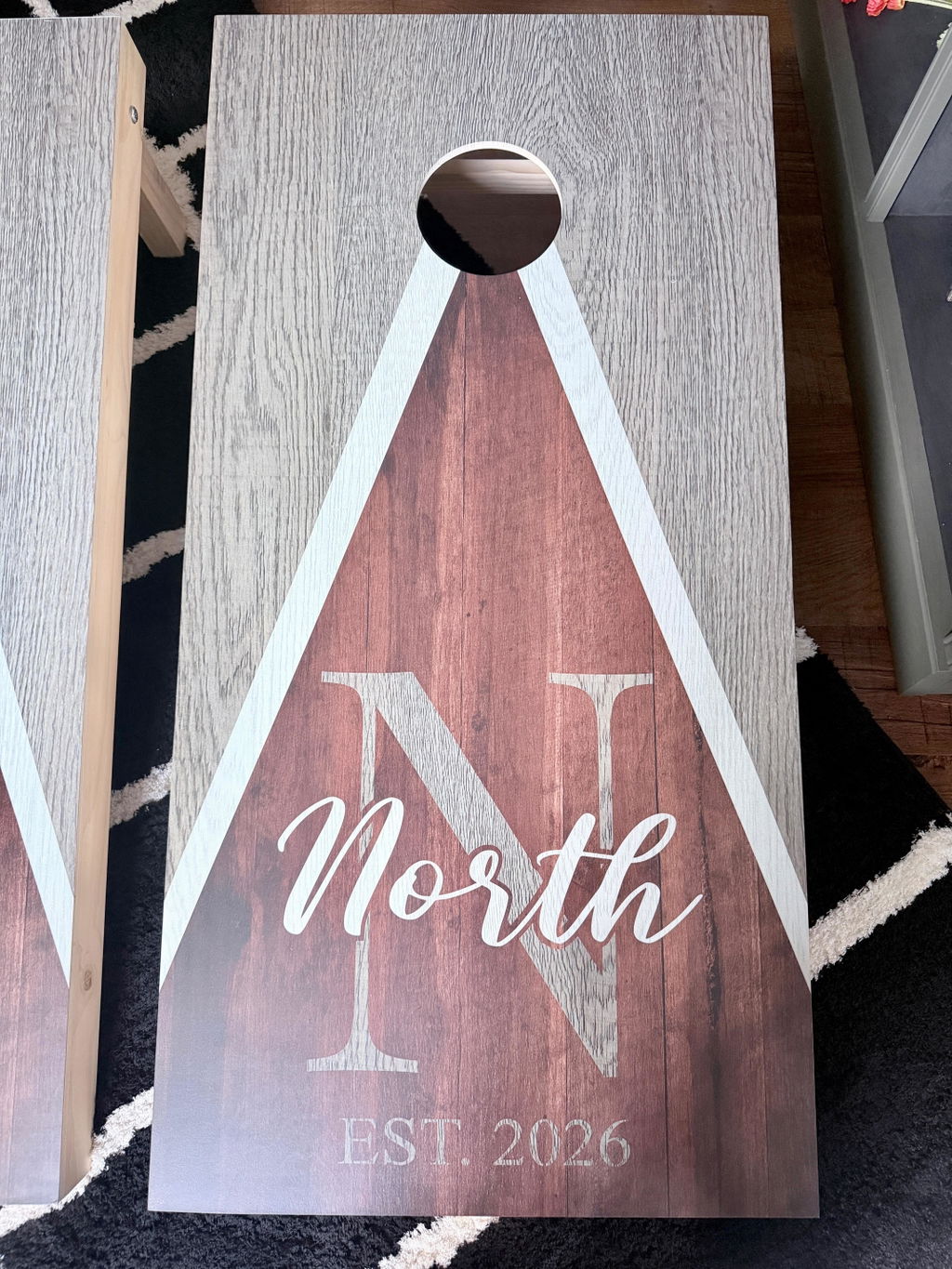
Cornhole is a popular backyard game that has been gaining popularity in recent years. The objective of the game is to throw cornhole bags onto a raised platform with a hole at the far end. Each successful toss into the hole earns points, and the first team to reach 21 points wins.
Breaking in your cornhole bags is an essential step to ensure they perform at their best during gameplay. The process involves softening the material of the bag, allowing it to slide smoothly on the cornhole board surface. Here are some tips on how to break in cornhole bags effectively.
Choosing the Right Material
When purchasing cornhole bags, you have two options: synthetic or natural materials. Synthetic
Cornhole is a popular outdoor game that requires tossing small bags filled with corn or plastic pellets into a raised platform with a hole. The objective of the game is to score points by getting your bag into the hole or landing it on the board. But, just like any other sport, mastering the art of throwing accurately in Cornhole takes practice and proper equipment.
One crucial aspect of improving your throws in Cornhole is breaking in your bags. Breaking in refers to the process of softening and adjusting the texture of your bags to achieve better grip and control for more accurate throws. In this guide, we will discuss how you can break in cornhole bags for perfect throws.
Fresh cornhole bags often feel stiff, slick, and tough to control. Straight out of the package, they can slide right off the board or refuse to settle where you want them. That's where breaking in comes in. A properly conditioned bag gives you better grip, more control, and the soft, broken-in feel that competitive players swear by.
At Skip's Garage, we know that great gameplay starts with great equipment—from a quality set of boards right down to the bags you throw. So we put together this guide to help you break in your cornhole bags the right way. You'll learn which methods actually work, which mistakes to avoid, and how to tell when your bags are competition-ready.
Whether you're warming up a brand-new set to pair with your Harley Davidson cornhole boards or fine-tuning bags for your next tournament, this guide has you covered.

Why Breaking In Cornhole Bags Matters
A stiff bag is an unpredictable bag. When the fabric hasn't been worked in yet, it tends to slide too fast across the board surface, bounce on landing, and resist forming to the wood. That makes precise throws nearly impossible, even for seasoned players.
Breaking in your bags changes all of that. As the material loosens, the bag conforms better to the board, grips the surface on contact, and slides with control rather than skidding off the edge. Players often describe a well-broken-in bag as having a soft, almost floppy feel that lets them place shots exactly where they intend. If you want consistency in your game, conditioning your bags is one of the simplest ways to get there.
Understanding Bag Materials and Their Impact on Performance
Before you start breaking in your bags, it helps to understand what you're working with. Most cornhole bags use a duck cloth or canvas shell, which is durable but stiff when new. Inside, traditional bags hold whole corn kernels, while all-weather bags are filled with resin pellets that resist moisture.
The fill matters just as much as the shell. Corn-filled bags soften naturally over time as the kernels break down slightly with use, giving them that classic broken-in feel. Resin-filled bags stay more consistent in weight and shape but require a bit more hands-on effort to loosen the fabric. Knowing which type you own helps you choose the right break-in approach and set realistic expectations for how the bag will feel and play.
What Are the Best Methods for Breaking In Cornhole Bags?
There's no single right way to break in your bags. Some methods take patience, while others speed up the process. Here are the approaches we recommend most.
The Natural Method: Just Play
The simplest way to break in cornhole bags is to use them. Spend time tossing your bags during practice sessions, and the repeated impact against the board will gradually soften the fabric and settle the fill. This method takes the longest, but it's also the gentlest on your bags and the most reliable. The bonus? You're sharpening your aim while your bags break in.
Hand Conditioning
If you want to speed things up without any risk to the material, work the bags by hand. Squeeze, knead, twist, and bend the fabric in every direction. Pay special attention to the corners and edges, where the fabric tends to be stiffest. A few minutes of this each day will noticeably loosen the bags within a week or two.
Rolling the Bags
A rolling pin can help flatten and soften stubborn dough. Place a bag on a flat surface and roll over it firmly several times, flipping and rotating it to cover the whole surface. This helps redistribute the fill and break down the stiffness in the fabric without overworking any single spot.
Light Steaming
For a faster result, a little heat and moisture can relax the fibers. Hold the bag a safe distance from a garment steamer or a kettle's steam for a few seconds, then immediately work the fabric with your hands while it's warm. Use a light touch here, and never saturate the bag. Too much moisture can damage corn fill or warp resin pellets.
How Do You Maintain Bag Quality During the Break-In Process?
Breaking in your bags shouldn't mean wearing them out. To keep your bags in top condition, store them in a cool, dry place away from direct sunlight, which can fade colors and weaken fabric over time. After playing on dusty or damp boards, wipe the bags down and let them air out fully before storing.
Rotate which bags you use during practice so they all break in evenly. And if you ever get them slightly damp from steaming or outdoor play, let them dry completely before putting them away. A little care goes a long way toward keeping your bags playing well season after season.
Common Mistakes to Avoid When Conditioning Cornhole Bags
The biggest mistake players make is reaching for shortcuts that do more harm than good. Soaking bags in water might seem like a quick fix, but it can rot the corn fill and leave bags smelling musty. Freezing and microwaving are equally risky, as extreme temperatures damage both the fabric and the fill.
Another common error is overworking the bags too quickly. Aggressive treatment can tear seams or thin out the fabric, leaving you with bags that fall apart before they ever feel right. Patience pays off here. Slow, steady conditioning produces a better, longer-lasting bag than any rushed method ever will. Finally, don't ignore the fill type—what works for corn bags may not suit resin bags, so always match your method to your material.
How Do You Know When Your Cornhole Bags Are Ready for Competition?
A properly broken-in bag feels soft and pliable, drapes easily over your hand, and lands on the board with a quiet thud rather than a hard bounce. When you toss it, it should grip the surface and slide with control instead of skidding off the edge.
Most regulation play calls for one slick side and one sticky side, and a well-conditioned bag lets you take advantage of both for blocking and sliding shots. Once your bags consistently settle where you aim them and respond predictably to your throws, you'll know they're tournament-ready. Trust the feel—your hands will tell you when the break-in is complete.
Get the Most Out of Your Cornhole Setup
Breaking in your cornhole bags is one of the easiest ways to level up your game, and it costs you nothing but a little time and effort. Work them by hand, play with them often, and steer clear of the shortcuts that ruin good bags. Do it right, and you'll be rewarded with bags that grip, slide, and land exactly how you want them to.
Of course, great bags deserve a great set of boards. At Skip's Garage, we build custom cornhole boards with the same care and quality we'd want for our own backyard games—including standout designs like our Harley Davidson cornhole boards. Every set is crafted from high-quality materials to deliver the perfect playing experience, and we personally guarantee your satisfaction. Browse our collection and find the set that's right for you.
Frequently Asked Questions
How long does it take to break in cornhole bags?
It depends on the method. Hand conditioning and rolling can soften bags noticeably within one to two weeks. Breaking them in through regular play takes longer—often several weeks—but it's the gentlest approach. Steaming offers the fastest results, sometimes loosening bags in a single session, though it requires extra care to avoid damage.
Can you wash cornhole bags to break them in?
We don't recommend washing or soaking your bags as a break-in method. Water can rot corn fill, fade fabric, and leave bags smelling musty. If your bags get dirty, spot-clean the fabric gently and let them air dry completely instead.
Do resin bags break in differently from corn bags?
Yes. Corn-filled bags soften naturally over time as the kernels settle and break down slightly with use. Resin-filled bags hold their weight and shape more consistently, so they need more hands-on conditioning—like kneading and rolling—to loosen the fabric.
Is it bad to break in cornhole bags too fast?
It can be. Aggressive methods like heavy soaking, freezing, or microwaving can damage the fabric and fill, while overworking the seams can cause tears. Slow, steady conditioning produces a softer, longer-lasting bag than any rushed shortcut.