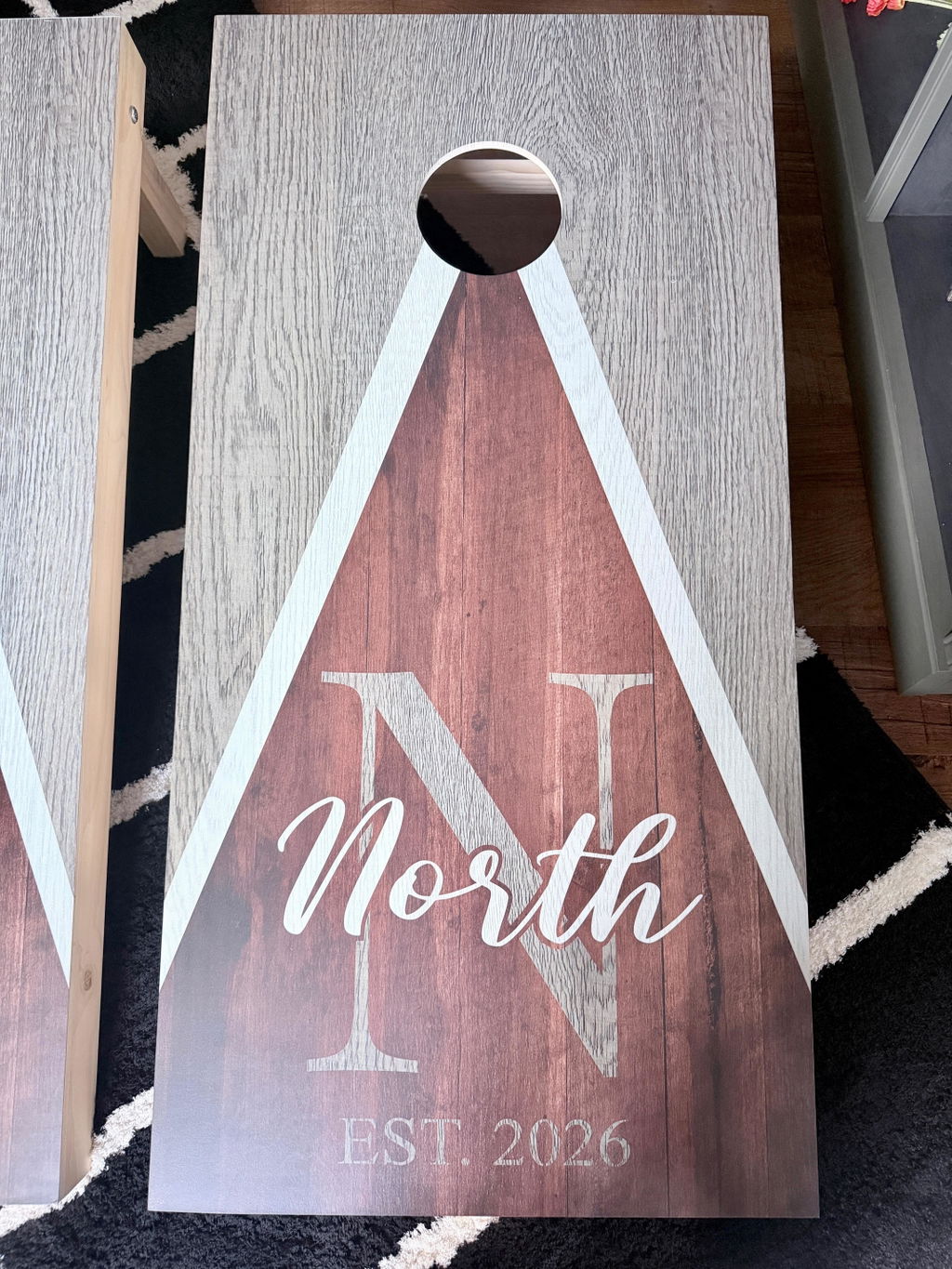
There is nothing quite like the sound of a bean bag slapping against a wooden board on a sunny afternoon. Cornhole has evolved from a simple tailgate pastime into a serious competitive sport with leagues, tournaments, and very passionate players. Yet, even in the most casual backyard games, one problem persists. The score. It starts simply enough, but after a few rounds and perhaps a few beverages, memory gets a little hazy. Was that last round a wash? Did the blue team score three or five?
Arguments over the score can bring a fun afternoon to a grinding halt. This is why a dedicated scoreboard is not just an accessory but a necessity for any serious setup. A good scoreboard keeps the game moving, ensures fair play, and adds a professional touch to your court. Whether you are hosting a neighborhood barbecue or a serious tournament, finding the right way to track points allows players to focus on their tossing technique rather than debating mathematics.
Understanding the Different Types of Cornhole Scoreboards
The market is filled with various methods for keeping score, ranging from high-tech solutions to rustic, handmade charm. Understanding the primary categories helps you narrow down what fits your playing style best.
Digital scoreboards offer the highest level of convenience and visibility. These units often come with LED displays that are easy to read even when the sun goes down. Many include remote controls, allowing players to update the score without leaving the pitching box. The downside is that they require power, either through batteries or an electrical outlet, which might limit where you can play. They also tend to be the most expensive option but offer a sleek, professional look that is hard to beat.
Manual scoreboards rely on physical markers to track the game. These are incredibly popular because they are reliable and require no electricity. Common designs include towers with color-coded clamps, magnetic strips that attach directly to the cornhole boards, or rotating number dials. The beauty of a manual system lies in its simplicity. There are no batteries to die mid-game, and they are generally built to withstand the elements. However, you do have to walk over to the scoreboard to change it, unless it is positioned right next to you.
The DIY route appeals to those who want a customized look. Many players create their own scoring systems using painted wooden strips, chalkboard paint, or even simple abacus-style beads strung on a wire. This option allows for maximum creativity. You can match the team colors of your favorite sports franchise or paint the scoreboard to match your custom boards perfectly. While this requires some effort and craftsmanship, the result is a one-of-a-kind piece that adds personality to your game.
Key Factors to Consider Before Buying
Selecting a scoreboard involves more than just picking the one that looks the coolest. You need to consider the practical aspects of gameplay.
Visibility is arguably the most critical factor. The regulation distance between cornhole boards is twenty-seven feet from front edge to front edge. If you place the scoreboard at one end, players at the opposite end need to be able to see the numbers clearly without squinting. Large, high-contrast numbers are essential. If you frequently play into the evening, you might prioritize a scoreboard with built-in lighting or reflective numbers.
Durability is another major consideration. Cornhole is an outdoor game, meaning your equipment will be exposed to sunlight, wind, and potentially rain. A flimsy cardboard scoreboard might survive one afternoon, but it won't last a season. Look for materials like powder-coated steel, treated wood, or heavy-duty plastic. Metal options are particularly good for magnetic scoreboards, while treated wood fits the classic aesthetic of the game.
Portability matters if you plan on taking your set to tailgates, campsites, or friends' houses. Some scoreboards are integrated directly into the cornhole boards themselves, which is the ultimate space-saver. Others are freestanding towers. If you opt for a freestanding model, check if it breaks down easily or comes with a carrying case. A heavy, awkward scoreboard is likely to get left in the garage because it is too much of a hassle to transport.

Top Recommendations for Every Player
If you are looking for the best all-around experience, the drink holder score tower is a favorite among enthusiasts. These freestanding units typically feature a vertical strip of numbers with two clips to mark the score. The major advantage here is the integrated drink holders. It solves two problems at once by keeping track of the game and giving you a place to set your beverage while you toss. The downside is that they can be bulky to transport, and plastic versions may tip over in high winds.
For those who prioritize convenience and portability, the magnetic strip scoreboard is an excellent choice. These are metal strips printed with numbers that you screw directly onto the back or side of your cornhole board. You use magnets to track the points. Since they stay attached to the board, you never have to worry about forgetting your scoreboard or carrying extra gear. The main drawback is that you have to bend down to move the magnet, and if the magnet isn't strong enough, a hard bag impact could knock it off.
The classic scoreboard stand with flip numbers works well for tournament organizers. These look similar to the scoreboards used in volleyball or table tennis. They utilize large, flipping cards with high-visibility numbers. They are incredibly easy to read from a distance and require no batteries. However, they lack the extra utility of drink holders and are purely functional in design, often lacking the aesthetic appeal of a wooden tower.
How to Build Your Own Simple Scoreboard
Building your own scoreboard can be a rewarding weekend project that saves you money. One of the simplest and most effective designs is the "bead scorekeeper."
You start by purchasing two small lengths of stiff wire or thin metal rod and sets of large wooden or plastic beads in two different colors. Drill two small holes on the back crossbar of your cornhole board frame. Thread the beads onto the wire—usually twenty-one beads to match the winning score—and secure the wire into the holes you drilled.
The gameplay is simple. When a team scores, they slide the corresponding number of beads to the other side of the wire. This system is integrated directly into the board, making it impossible to lose. It is rugged, weatherproof, and maintains the classic wooden look of the set. The only potential issue is visibility from the opposite end, but for casual play, simply asking your opponent the score is part of the fun.
Another popular DIY method involves using chalkboard paint. You can tape off a rectangular section on the back of your cornhole board or on a separate piece of wood. Apply several coats of chalkboard paint and let it cure. Once dry, you can use chalk to tally scores. This is incredibly versatile, but it does require you to keep chalk on hand, which can be messy and break easily.
Elevate Your Game with the Right Choice
Choosing the right cornhole scoreboard ultimately comes down to your specific needs and playing environment. If you host night games frequently, investing in a digital LED option ensures the fun doesn't stop when the sun sets. If you are a tailgating warrior, a magnetic strip attached to your board minimizes the gear you have to carry. For the backyard host who wants everyone to have a drink in hand, the score tower is the undisputed champion.
Whatever you choose, remember that the goal is to enhance the fun. A clear score eliminates confusion and keeps the competitive spirit friendly. By considering visibility, durability, and portability, you can find a solution that lasts for years. So, grab your bags, set up your boards at the correct distance, and let the best team win—with no arguments about the score.