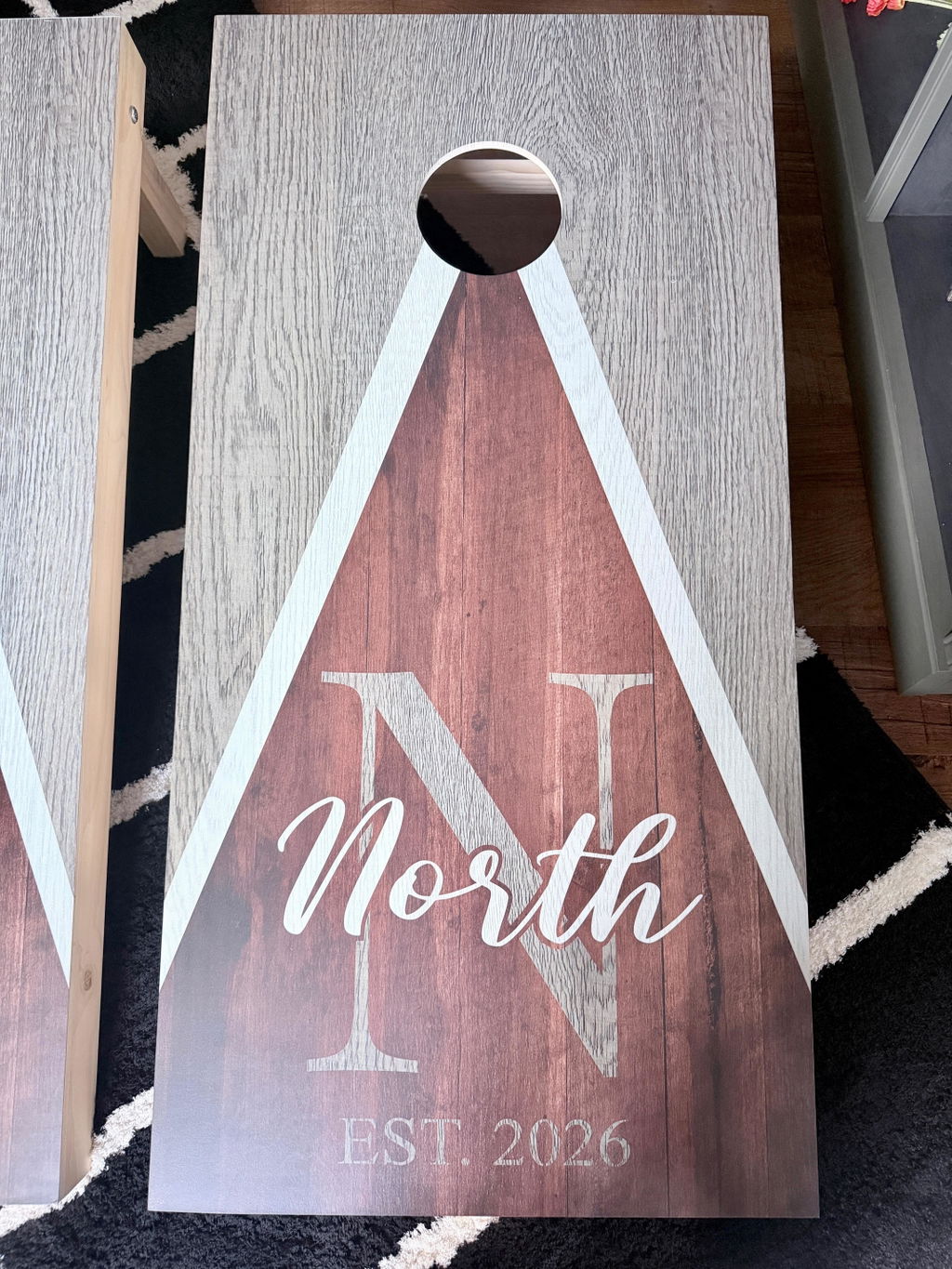
Winter often signals the end of backyard barbecues, pool parties, and late evenings spent tossing bean bags under the setting sun. For many enthusiasts, the arrival of snow and freezing temperatures means packing away the cornhole boards until spring thaws the ground. However, the changing season does not have to mean an end to the fun. With a little creativity and some adjustments, you can bring the excitement of the game indoors.
Transitioning your favorite lawn game into the warmth of your home offers a fantastic way to cure cabin fever. It provides an active outlet for competitive energy and keeps your throwing arm in shape for the upcoming summer league. Whether you are looking to host a competitive tournament or want a casual activity for a family game night, indoor cornhole transforms a dreary winter evening into a lively event. The key lies in finding the right space, protecting your home, and tweaking the rules to fit your environment.
Finding the Perfect Indoor Arena
The first challenge in bringing cornhole inside is identifying a suitable location. You need a space that offers enough length for the toss while minimizing the risk of breaking valuable decor. Basements often serve as the ideal indoor arena. These spaces typically provide the necessary length and often feature durable flooring like concrete or carpet that can withstand the impact of landing bags. If you have an unfinished basement, you have the added benefit of not worrying about an errant throw hitting a fragile vase or scuffing a pristine wall.
Living rooms can work as well, provided you are willing to do some rearranging. Pushing the coffee table to the side and clearing a path from the sofa to the television stand might reveal enough runway for a decent game. This setup is perfect for casual play where comfort is a priority. You have easy access to seating and snacks, making it a relaxed environment for a Friday night in. However, be mindful of low-hanging light fixtures and the proximity of the television screen.
Hallways and garages offer alternative solutions for those tight on living space. A long hallway naturally mimics the narrow lane of a cornhole court, forcing players to focus on straight, accurate throws. The narrow walls can add a fun "bank shot" element if you are feeling adventurous with house rules. Garages, while cooler than the rest of the house, offer the most space and usually allow for regulation distances. A space heater and some warm coats can easily turn a garage into a winter cornhole stadium.
Adapting Your Setup and Equipment
Once you have selected your location, the next step is ensuring your gear is safe for indoor use. Standard wooden boards are heavy and can scratch hardwood floors or snag carpet loops. Placing yoga mats or non-slip rug pads underneath the boards is an excellent way to protect your flooring and prevent the boards from sliding with every impact. If you are playing on a slick surface like tile or wood, this stability is crucial for maintaining a fair game.
You must also consider the layout of the playing field. Official regulation play requires a specific distance between boards, but your living room might not accommodate standard spacing. This is where understanding cornhole dimensions becomes important. A regulation court places the boards 27 feet apart from front to front. Indoors, you will likely need to shorten this distance. Measure your available space and establish a consistent "indoor league" distance, perhaps 15 or 20 feet. Consistency matters more than regulation accuracy when you are just playing for fun.
The bags themselves might need an upgrade for indoor safety. Traditional corn-filled bags can create a fine dust that settles on furniture and floors as the corn breaks down over time. Resin-filled bags are a cleaner alternative, perfect for indoor use. Additionally, if you are playing near breakable items, consider investing in softer, bean-filled bags that carry less momentum and impact than their professional counterparts.

Modifying Rules for the Great Indoors
Indoor play often necessitates adjustments to the rules to accommodate smaller spaces and address safety concerns. Since you are likely playing at a shorter distance than the regulation 27 feet, the game naturally becomes easier. To maintain a competitive edge, you can introduce handicap rules or scoring modifications. For instance, you might decide that only "swishes"—shots that go directly into the hole without touching the board—count for points. This significantly increases the difficulty and forces players to refine their aim and precision.
Another popular modification for indoor play involves altering the winning score. Instead of playing to the traditional 21 points, try playing shorter rounds to 11. This keeps the games moving quickly, which is ideal if you have a larger group of people waiting for a turn in a confined space. You can also implement a rule that penalizes throws that hit walls or furniture, adding a layer of strategic caution to every toss.
Ceiling height is another factor that might require rule tweaks. In a basement with low ceilings or a room with a hanging chandelier, high-arching shots are impossible or dangerous. You can institute a "line drive" rule where throws must stay below a certain height, or conversely, create obstacles that players must throw around or over, turning the game into a trick-shot challenge rather than a standard match.
Elevating the Experience with Winter Activities
Combining cornhole with other winter-themed activities can turn a simple game into a full-blown event. Since you are already indoors, you have easy access to the kitchen, allowing you to pair your tournament with a chili cook-off or a hot cocoa bar. The smell of slow-cooking food adds a cozy element that contrasts perfectly with the competitive spirit of the game.
You can also structure the evening around a tournament bracket. Draw names out of a hat to form teams, mixing up skill levels to keep things fair. Create a makeshift trophy for the winners—perhaps a golden bean bag or a dedicated "champion's mug" filled with treats. This adds stakes to the game and encourages everyone to get involved, even those who might typically just watch from the sidelines.
For families, indoor cornhole is an excellent way to get children off screens and moving around. You can customize the boards with winter decorations, using removable stickers or painter's tape to create targets on the floor for younger kids who might not reach the board. Combining the game with music and indoor camping—think sleeping bags and pillow forts—creates a memorable "indoor tailgate" atmosphere that makes the cold weather outside feel miles away.
Embracing the Season
Bringing cornhole indoors is more than just a way to pass the time; it is a way to reclaim the joy of summer play during the darkest months of the year. It encourages social interaction, friendly competition, and physical activity without braving the elements. By finding the right space, adapting your equipment dimensions, and getting creative with house rules, you can keep the spirit of the game alive all year round. So, clear off the coffee table, roll out the mats, and let the bags fly. You might find that winter becomes your favorite season to play.