Cornhole isn’t just a backyard game; it’s a bridge to camaraderie, a showcase of skill, and for many, a down-right obsession. But if you're new to the game, you might find yourself overwhelmed when experienced players start throwing around phrases like "airmail," "cornfusion," or "woody." Fear not! Whether you're a new player just learning to toss your first bag or an event planner setting up an all-weather cornhole game for a community event, this guide will walk you through the essential cornhole lingo and ease your entry into the community.
To play better, you first need to talk the talk. Here's everything you should know about the phrases and terminologies peppering every corner of a cornhole match.
Getting to Know the Cornhole Basics
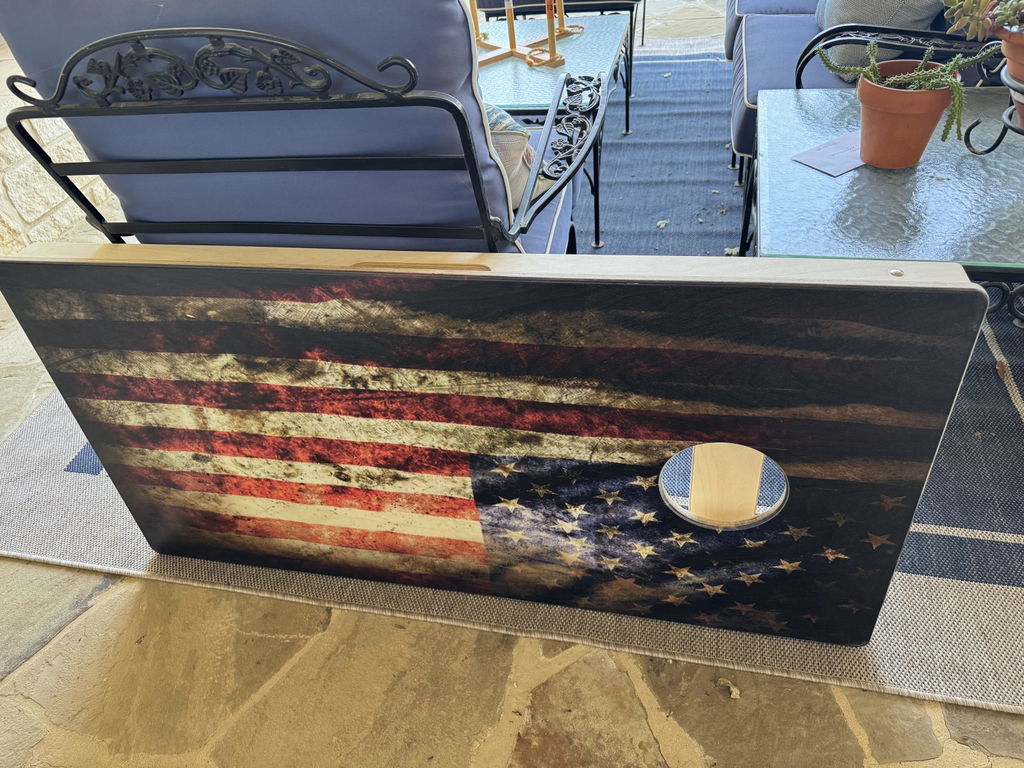
When stepping into the game, you'll hear terms that describe the essentials like the boards, the bags, and the rules of gameplay. First up, "board." This refers to the slanted, rectangular platforms with the signature hole near the top, and it’s where all the magic happens. A "bag," filled with dried corn kernels (or synthetic material), is tossed towards the board to score points. Together, these make up the fundamental elements of any true cornhole match.
But then comes the curveball terms like "pitcher's box" (designating the area players must stay inside while throwing) or a “frame,” which refers to a round in which both players or teams throw all four bags. These tidbits of lingo are easy to get used to as you watch games unfolding, but starting with the framework will help you feel right at home.
Mastering the Essential Cornhole Gameplay Terminology
Now that we’ve covered the equipment, it’s time to focus on gameplay-specific terms. One of the first phrases you’ll encounter is “Woody.” A woody happens when a bag lands on the board but doesn’t go through the hole. It’s not a bad start (worth one point!) but not quite the bullseye of cornhole, which is called an "ace" or "cornhole." This is when a bag makes it perfectly into the hole on the board, scoring a satisfying three points.
But cornhole isn’t always perfect tosses. “Cornfusion” might occur if you’re struggling to keep track of the score, which is a friendly reminder to always double-check point calculations. And if someone shares that they’ve thrown a “dirty bag,” they’re simply referencing a toss that lands off the board or on the ground with no points to show for it. Don’t worry; even seasoned players have dirty tosses now and then.

The Fun (and Competitive) Side of Cornhole Slang
Like any great pastime, cornhole has a language that reflects its laid-back, competitive nature. Ever heard someone cheer after an "airmail"? That’s when a bag soars directly into the hole without touching the board. It’s one of the most celebrated (and hardest to master) shots in the game.
Then there’s the term “blocker,” which perfectly describes a strategic bag placement designed to stop your opponent's bag from going into the hole easily. Advanced players make great use of this technique to frustrate competitors while creating openings for their next throw.
However, no matter how good the shot, sometimes things happen outside of anyone's control, also known casually as “corn luck.” Maybe a last-minute wind change carries your bag exactly where it needs to be, or an opponent’s bag nudges yours just enough to score extra points. Either way, it’s just part of the game’s unpredictable charm.
Cornhole Etiquette and Culture
New to the cornhole world? Along with gameplay lingo, you'll pick up phrases that reflect the culture surrounding this beloved game. For example, "bags fly at 7" is commonly announced before league games or tournaments, letting people know when gameplay begins. Casual chatter like this reinforces cornhole’s social value, reminding everyone it’s as much about building community as it is about scoring points.
Meanwhile, light-hearted phrases like “get in the hole!” or “nice bags!” keep the game fun and supportive, even during competitive moments. You’ll soon notice how this language amps up the energy and reinforces the friendly spirit cornhole is known for.
All-Weather Cornhole Game Enthusiasts Need These Terms Too
The beauty of cornhole is its adaptability. Rain or shine, many businesses and event organizers now offer all-weather cornhole game setups to ensure uninterrupted play. These setups often include boards and bags made of durable, waterproof materials that can withstand elements like rain or high humidity.
When you’re hosting or playing in an all-weather setup, don’t be surprised when players throw in terms like "slippery side" or "stick side" to describe the varied texture of dual-sided bags designed for all surfaces. On the "slippery" material on one side, the "slippery" material helps the bag slide across the board, while the "sticky" side grips the board for controlled placement. Knowing how to use both can give players a unique edge during games in less-than-perfect conditions.
Wrapping It Up
Cornhole combines skill, strategy, and an undeniable sense of community. Learning the lingo isn’t just helpful for gameplay and connects you to a shared culture of fun competition. Whether you’re a PE teacher introducing cornhole to students, a family game night organizer, or a recreational league joiner, picking up the vocabulary will add depth to your experience.
If you’re ready to step up your cornhole game, start with the basics, keep playing, and don’t be afraid to throw out a “great bag!” to your opponents. And if you’re looking to enhance your home setups or events, consider all-weather cornhole game gear to make the game accessible no matter the conditions. Remember, the more you know the terms, the more fun you’ll have playing the game.